
Most travelers never see the real impact of their trips, not because it’s hidden, but because we don’t always see where our money goes or who truly benefits.
In this episode, we sit down with Lily Palma, founder of Zapotec Travel and our Oaxaca tour host, to talk about what ethical travel in Oaxaca actually looks like and how community-led tourism works in practice.
We get into the realities of how the travel industry operates, from commission-based models and hidden pricing to why “cheap” tours often come at a cost to local communities. Lily shares how she built a business rooted in Indigenous culture, long-term relationships, and women-led experiences, working with over 80 families across Oaxaca.
We also talk about what’s changing. Gentrification, social media, and “Instagram experiences” are reshaping destinations quickly, often in ways travelers don’t realize. From fake cultural experiences to polished but disconnected tours, it’s becoming harder to tell what’s truly authentic. Lily breaks down what to look for, what questions to ask, and how to travel in a way that actually supports the people and places you’re visiting.
If you’ve ever wondered what responsible travel really means in practice, this conversation will likely challenge the way you think about it.
Solo Female Travelers
- Book a tour
- Subscribe to our newsletter
- Subscribe on Substack
- Connect on Instagram
- View on YouTube
- Join our Facebook community
- Follow us on Facebook
About Lily
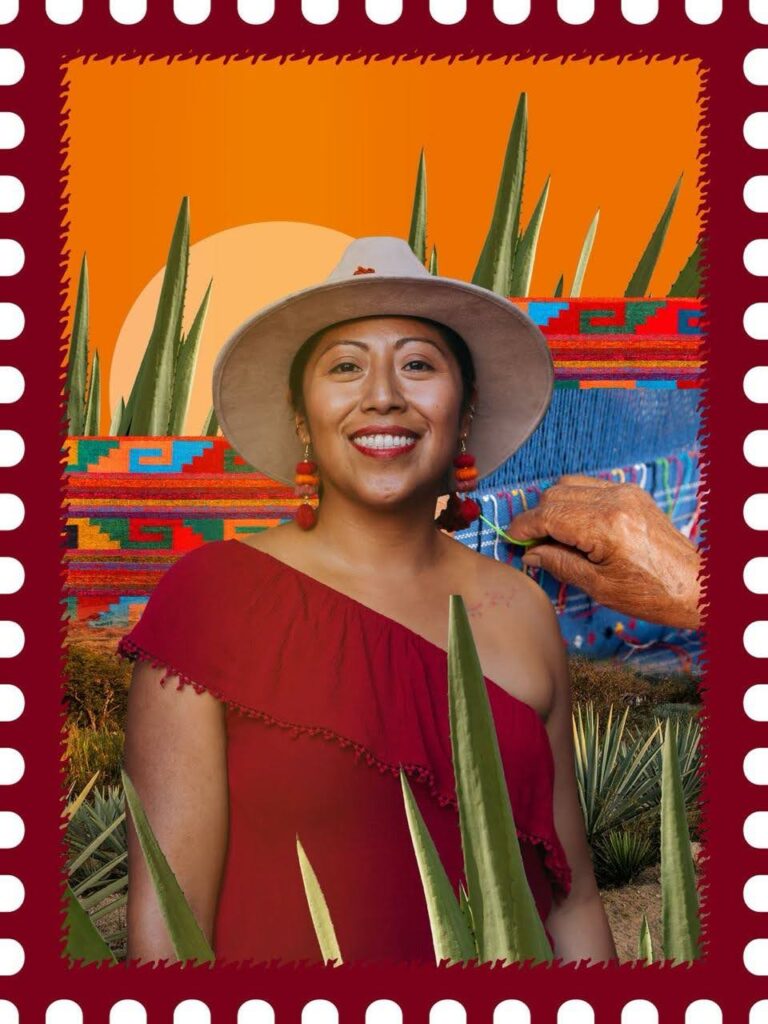
Lily was born and raised in Santa Monica, California, home to the largest Oaxacan Zapotec migrant community in the U.S.
After spending her summers in Oaxaca with her parents in the dream home they built, Lily rematriated to Oaxaca in 2013.
Seeing the lack of representation of indigenous woman-led initiatives in the tourism sector, she decided to create Zapotec Travel by Lily, a woman owned and led sustainable travel company in Oaxaca where travelers center indigenous voices to experience Oaxaca, learn how to best observe traditions as a guest in their communities and learn how to best support these businesses.
Zapotec Travel now works rotating over 80 service providers, 80% which are woman owned and led, to make sure everyone gets a fair share of the tourism funds.
Connect with Lily & Zapotec Travel:
Instagram: https://www.instagram.com/zapotectravelbylily
TikTok: https://www.tiktok.com/@zapotectravelbylily
Facebook: https://www.facebook.com/zapotectravelbylily
Website: https://www.zapotectravel.com
Visit Oaxaca with us!
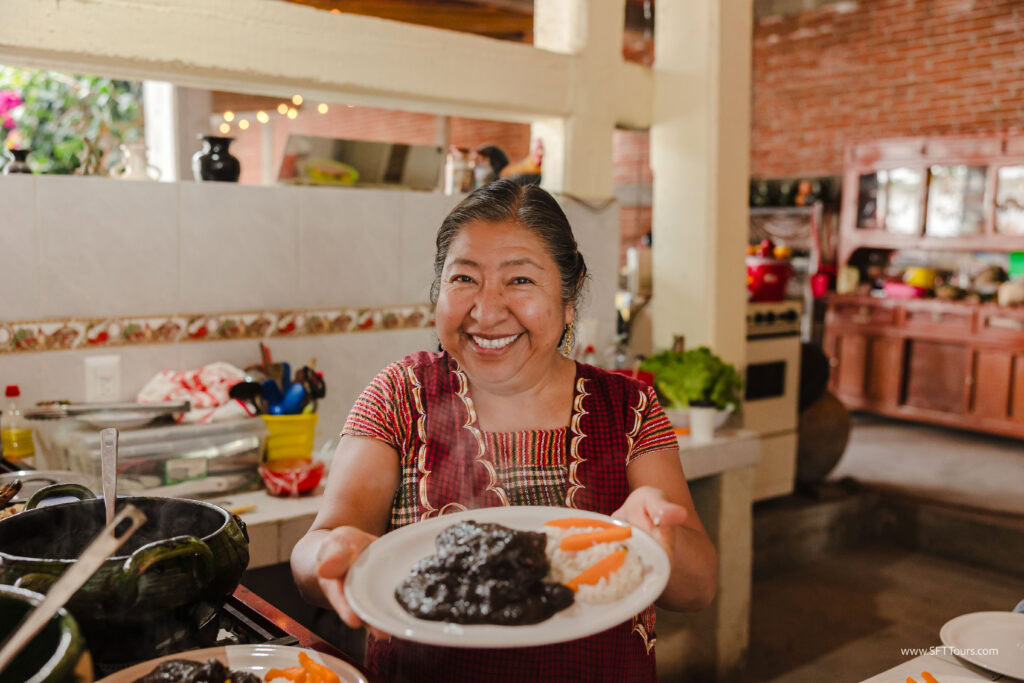
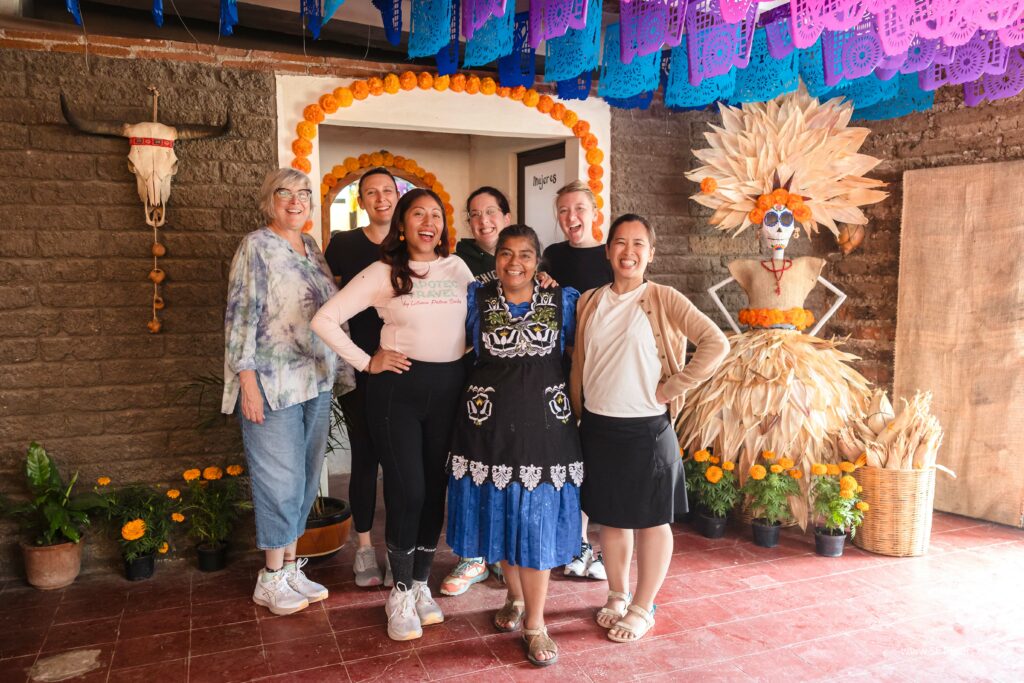
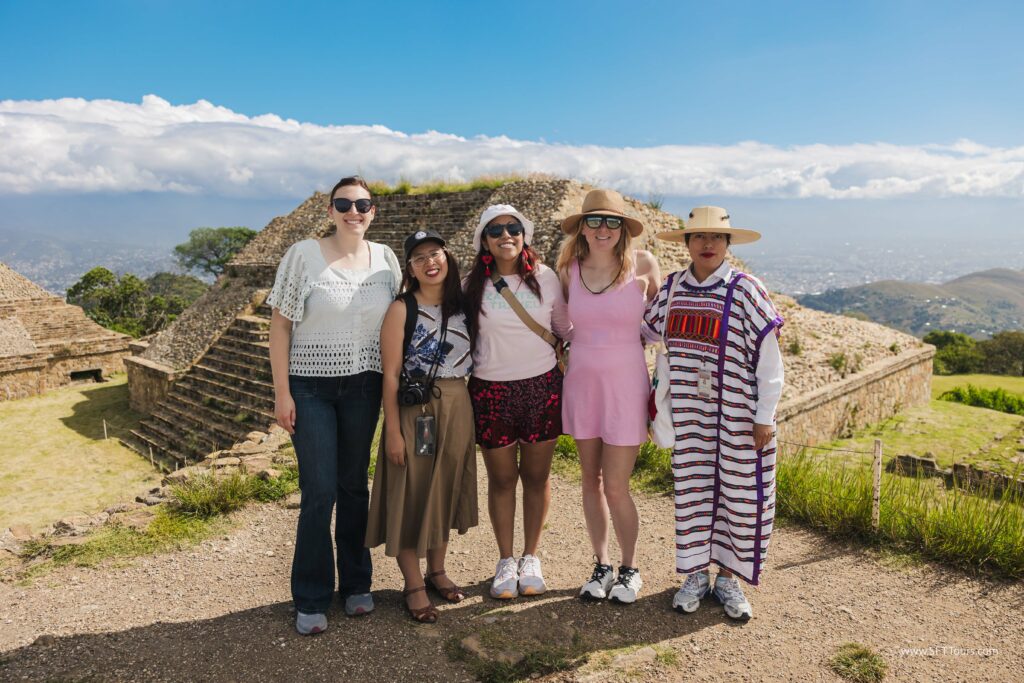
Meet Lily in person and see what ethical, sustainable and indigenous focused travel looks like while supporting over 15 micro businesses.
Transcript
Mar: Today we’re talking about what ethical community-led tourism actually looks like. Not in theory, not on a website, but in real life on the ground. This conversation isn’t about perfect travel or feel-good buzzwords. It’s about the realities, the trade-offs, the behind-the-scenes work that people in tourism do, and the sometimes uncomfortable parts of shaping tourism in a way that genuinely supports local and indigenous communities. I am joined by Lily, the founder of Zapotec Travel and our Oaxaca tour host. Lily leads community-based ethical travel experiences rooted in indigenous culture, local partnerships, and long-term relationships. Very much like we do. Hi, Lily. It’s great to have you on the podcast and to talk about all the things that I talked about enough.
Lily: Hi, I’m excited. I’m excited to be here.
Mar: You and I go way back when I read an article in a travel magazine about your views on community and ethical tourism, and I knew that I had to reach out. This is a collaboration that is quite rare whereby the destination wasn’t really on our radar. It’s not like we wanted to launch tours to Oaxaca, but as soon as I heard your perspective on how tours should be done to truly help local communities, I knew that we had to partner and help amplify the work that you do. Many of our community or in our community already know you through our Oaxaca trips. This is an experience that feels particularly different from other tours, connected and very heartfelt. It is also an example of how we want to run all of our tours. Lily, for anyone new to your work, could you say a little bit more about Zapotec Travel and how your journey in the travel industry began? What originally pulled you into this path?
Lily: Yes. So again, my name is Lily. I’ve been in Oaxaca. I say I rematriated 12, now 13 years ago. I was born and raised in Santa Monica, California. My ancestry and my lineage is Zapotec. Zapotec is the indigenous language, the culture, the tradition, the people. So that is why I then named it Zapotec travel. I wanted people to see Oaxaca through the lens of indigenous people because that is the majority of the state. That’s the majority of my experience. And then women was really important as to how I was able to learn about Oaxaca when I first rematriated back. So I couldn’t see a world where women weren’t at the center of it. They are the matriarchs, the teachers, elders, healers. And that’s what I wanted to show people. Every indigenous community is at least 30 minutes away from Oaxaca City. So I knew that most also tourist destinations are on indigenous land. So I also wanted to pay honor to people, to our people.
Mar: Right, and you always say rematriate rather than repatriate.
Lily: Yeah. Yes, yes. It’s all about women for me, for how you learn about the culture, the history, the cooking through my grandma, my aunt, my mom. So, and then we go back and we talk about Mother Earth. Mother Earth has given us so much. In most of the communities, there’s a giving thanks to Mother Earth before. So it was rematriate.
Mar: What is the word for mother in Zapotec? I actually don’t know it.
Lily: Xnana.
Mar: Xnana. Okay, wow. I love the word. It’s very warm. I don’t know, it gives me warmth when I hear it. That’s wonderful.
Lily: Xnana uh-huh. Yeah. Yeah. Yeah. And there’s so many differences. Like if you say an elder who’s a woman, it’s a different name. So there’s so many categories in that.
Mar: Do you have the same categories for men or only for women?
Lily: I don’t know. Yeah, yeah, yeah, yeah, yeah, yeah, yeah, yeah, exactly. Yeah.
Mar: Sorry, I was putting you on the spot. I actually never thought about that, but you always talk about rematriating rather than repatriating, which is what people normally do. Like we normally use the general male word for something, right? So I wanted to start directly into the controversy of everything and asking you a little bit to describe what an ethical community-centered experience looks like and how it compares to one that doesn’t, just to get us started on that concept.
Lily: Mm-hmm.
Lily: Yeah, so we run a lot of our marketing and the work that we do day to day on social media. And I have a team that helps me do that now. And they said something like very directly, they said on the stories, we don’t take commission from families like other companies in Oaxaca do. And I was like, I wouldn’t have said it exactly like that. But again, we’re talking about what’s real. That is a portion of it. When I think about ethical travel or ethical work in communities, it’s there’s a lot of in the terms of sustainability, greenwashing where people will say that this is a clean product, but it really isn’t. And the same thing goes with tourism. People can say we’re working with indigenous people. We’re working in communities, but they’re not working with the community. So one of the things that I did is to research as customer, not only customer satisfaction, but satisfaction among providers in the tourism industry. And I found very little to none research on that because most of the satisfaction service is only for customers. Are customers having a great experience or are they not? And then I was doing the work of asking the families what they felt like working in tourism. And some people, many people that I spoke with said that they were happy with the terms, felt that they couldn’t really speak up, they couldn’t change anything. And that’s how tourism ran in Oaxaca. But this happens all over the world. And they just felt they had to stick to it because it was a business tactic for them and it was their income source. I wanted to, everything that I didn’t like about those stories that people shared with me, I wrote them down. This was all happening in 2020 when everything was shut down. And I said I was going to launch that year. But a lot of it was researching and really hearing people out. And I wrote a list of everything that I didn’t like and my solution to it because I’m also very like, don’t just complain about something or if you’re not going to do something about it, shut up. But if you are and you want to do something, change, do something. So I said, one of the things that people do in Oaxaca, but all over the world are commission-based sales. You take client, I would, as a guide would take clients to a Dona Rosa’s house because she’s going to give me a cut of anywhere from 30 to 50 % from the purchases that the tourist makes or the traveler makes. One, I can’t force people to buy. That’s something I think we’re going to talk about it later. If a guide is very pushy for you to buy, there’s usually a reason. And then on the other side, people offer demonstrations and home visits for free in hopes of making a sale. But again, I can’t always guarantee a sale and I want to honor the ancestral knowledge that these women mainly are sharing to our clients. It’s like a history lesson sometimes. And I want there to be a fair payment and compensation that is not linked to a purchase or no purchase. So both of them are individual. And if someone makes a 80,000 peso sale, that doesn’t mean that I need something. Like with a thank you is enough and I’m able to cost my own product with the right numbers. Also cheap tours equal non-ethical travel. So that’s something else. But sometimes we think in the travel industry that we can’t charge tourism, like the right price that we have to cut corners down the line. But I think something that we’ve done with solo female travelers is we found that that formula where like both can exist and everyone can get a fair share. And then a traveler can have an amazing experience as well. That’s a little bit of it. Yeah.
Mar: Right. Yeah, in the end it’s transparent pricing, right? I can charge somebody 20 because I know that in general I will make an extra 50 from the things that they buy. What the traveler doesn’t understand is that they are paying that extra 50 anyway because something that they were going to buy that would cost them 50 will now cost them a hundred. And the extra 50 is the commission that the guide is getting. Most people don’t understand that this is the practice all over the world. This is not just in Oaxaca or in Mexico. This is the same thing we saw.
Lily: Mm-hmm.
Lily: Yeah.
Mar: It’s commonly seen in Egypt, in Morocco, in Turkey, in India, in pretty much every country around the world. It’s not common practice in Europe because people are paid a fair price and they will ask the price that they want to earn, independent of whatever people may sell. But the model that most guides and most tour companies practice is this one, is I will sell something very cheap on the headline in the hopes that the guest will buy something that I will make a commission from.
Lily: Mmm.
Mar: So everybody has an incentive to make the traveler buy something. And what I think is the worst part that people don’t realize is that you are being taken to the place that will offer the highest commission, not the best experience because the guide makes to make a living, correct. And then there are tips as well that maybe are not included. And so the guide wants to make a tip at the end of the trip. So the traveler is ending up paying probably the same. They just pay in a different way, in a way that’s not transparent, in a way that is…
Lily: Yeah.
Lily: Mm-hmm.
Lily: Not the best, yes, yes, yes, yes.
Lily: Mm-hmm.
Mar: that the motivations of everybody involved in the chain are not aligned to their best interest. The guide will not take you to the place that will give you the best experience. It will take you to the place that will pay them the highest commission because that’s how they make a living. So what travelers don’t understand is that it’s not in their best interest to follow that model. But of course they only see the headline price. And when you try to change the model and try to charge them a hundred instead of 20, people say it’s too expensive. But like you say, you can do that because people, some travelers understand that.
Lily: Yeah.
Lily: Mm-hmm.
Mar: this is what’s happening and they’re willing to pay somebody a fair price for what they are offering. And what they are offering is this knowledge that you mentioned, this experience, their craft, their expertise, that time that needs to be compensated. From the very beginning, we knew that we didn’t want to do that, which is why I read your perspective and your point of view on this travel magazine. I knew that I needed to reach out to you because I had never heard anybody else talk about this.
Lily: Mm-hmm.
Lily: Yeah.
Lily: when you reached out, I’m always thinking, do they really mean that? And are they really going to want to honor that? And that’s always a conversation because I’ve met with so many people and the answer, we end up not working because they don’t really want to pay behind the scenes. So that was part of us building that trust and launching something in Oaxaca is making sure that both of us, that all the parties were okay, we’re happy with it.
Mar: Yeah, it’s true because many people will tell you, no, no, no, we don’t take commission. But then they take it behind your back anyway. And what they don’t realize is that it is quite obvious. If you’re in the industry, you can tell, you can see, you know. So yeah, this was something that was quite telling. We never wanted to do that. We feel that people should be paid a fair price for their work and their work is sharing that expertise. And if guests buy something on the site, that’s fantastic. They’ll buy because they want to. Therefore, we will take them to the best experience because there is no incentive for us to take them anywhere else. We don’t make any money whether you buy or not.
Lily: Mm-hmm. Mm-hmm.
Lily: Yeah, yeah.
Lily: Mm-hmm.
Lily: Mm-hmm, mm-hmm, mm-hmm. Yeah.
Mar: like you. And also this is also better for the activity providers, for the hosts, for the chefs, for the artisans, because then they can share freely and they know that those guests eventually will buy if they are selling something that they’re interested in. And even if they don’t buy, they will be fairly compensated for their time and effort in sharing that knowledge accumulated. So I think it’s better for everybody, but the headline tariff is more expensive,
Lily: Mm-hmm.
Lily: Mm-hmm.
Lily: Mm-hmm. Mm-hmm.
Mar: And this brings me a little bit to the next question. You work with a lot of small, often one-person businesses, artisans, chefs, guides, all the families that we’ve talked about. And they are sometimes getting started. You started with some of them that didn’t even have a business before you reached out to them, right? What goes on behind the scenes to make this experience happen? Tell me a little bit more of how it goes from an idea of like, this woman is offering this that I think will be valuable for our guests and get them to the point of like getting ready to offer something and hosting the first guests.
Lily: Yeah.
Lily: huh, huh.
Lily: Yeah, so that goes back into being ethical and sustainable. Part of the work that we do is training people in tourism. They already, all the people we work with already work in tourism. We don’t really convert anyone into thinking this is the best idea, but sometimes they have a business and it really hasn’t hit or been successful in so many spaces or in the digital space or. They sell to tourism like if they stop by their shop, but they don’t host tours. So we do do that transition into working with women who want to work directly with tourism. So every six months I’m able to open up spots. I think with the more success of the business, it allows me to add in more families. So right now we’re rotating over 80 families in different communities. And for example, in Mezcal, it’s very popular and in textiles is very popular. So in textiles, we’re working with 20 families and every December, January or May, June, is, there’s like a low, there’s time for me to be able to go out to visit these families and start that. So we’re admitting a new business, two new businesses in Mezcal this year, they’re woman owned and we’re looking at micro entrepreneurs and micro distilleries. And when we think of the topic of mezcal, there’s a lot of families that have had their business run for many years. They are still small producers, but now we’re looking to work again with the very small micro businesses. So I met a woman and she has the lineage of mezcal making and decided to launch her own brand because there are a lot of gender norms in these communities as well. And sometimes it’s like waiting around until it’s your turn or going out and doing it on your own. So she decided to go on her own. Her family produces Mezcal. You can be have Mezcal producers, but not have a Mezcal brand. So what she wanted to do was connect both of those two. And she says, well, we have, we do get visits here and there from tourism, but they never have schedules visits. And so the intake.
Mar: Mm-hmm.
Lily: There’s a lot of work behind the scenes. So we do an intake online first and then we do a home visit where we go Most of the businesses are out of their homes. That’s also something that is very common in small businesses and We visit them we see their introduction kind of what they want to show to us about their business But then we have to take it on the side of how do you present your business to an audience? And then how do you have time to make sales as well because that’s the end goal of a business is to be able to sustain your family. So we did the second home visit with them and now we’re gonna do the pilot. It’s actually gonna be next week. And we’re actually going to film it to show a little bit behind the scenes. And we help them break down their presentation into an hour and then 20, 25 minutes to sell. We let them know that they have an hour to showcase everything or whatever they want, the messaging that they wanna show about their business and why they should choose them. And when you think of small businesses, that’s the reason why you support because of the story, not so much, just, it’s an instant buy. So that’s a little bit of what we do. And after the first tour visit, I go on that tour and then we do a feedback session to make sure that like everything was, they felt what they felt and what we noticed as well. And it make it a constructive criticism. So then we grow from that and after that, I need to do another tour with them, then I will. But if not, then they are added into our rotation, we say, and they will get a tour visit at least once a month.
Mar: Right. And these small businesses, whatever you help them with, whatever training they receive, whatever improvement, whatever material you’ve helped them create, whatever training, session, content that they’ve created alongside you and your team, that’s something that they can continue to do with other companies. You don’t force them to be exclusive. They can continue their tours like they did before and work with other operators.
Lily: Yes, so that’s something also part of that industry that is very traditional where sometimes you have to sign exclusivity to only work with a certain guide. But this, we tell them that it’s a skill set that we hope that they can one day use to get tourism directly. If we don’t work, we come in generally for translation services, but if they can do tours in Spanish and many of families that we work with and did this training have already launched tours directly from their homes with clients from Google Maps, Facebook, Instagram, TikTok, all this stuff. And we do training on social media as well for your business. And I don’t know, that’s a part of the sustainability, the community component of Zapotec Travel too, that started when I was helping, we started out with eight businesses and now we’re 80 businesses. So we’re also looking for ways to be able to continue this and with a bigger team for them to be able to replicate this.
Mar: Right, because this is not just a one-off, this is not just for your business, this is an improvement and a growth and an expansion of the entire community around Oaxaca City. This is everybody being able to participate more in tourism in a way that’s better shared rather than just a few large companies that are very well taken care of, have great marketing and everything feels a little bit like a production line rather than the business being concentrated on these fewer larger businesses that are, if you want…
Lily: Mm-hmm, mm-hmm.
Mar: a bit less authentic and a bit less genuine, trying to spread that tourism value that is growing in Oaxaca and in many destinations amongst more smaller businesses, more families, so that everybody can benefit.
Mar: Yeah, and you know, in a lot of cases, like what we’re just talking about the larger ones, right? You’re often competing with like very polished, very easy, very beautifully looking tourism experiences. And they don’t have the same values that you and I can have, right? For them, it’s more about volume. It’s more about bringing more people, having very clean bathroom, very good access to cars, roads, know, hosts that can speak English and can do the entire session themselves so the guide doesn’t have to translate. And they don’t treat the collaborators the same way that you do, right?
Lily: Mm.
Mar: How do these small businesses navigate all this complexity and how do they manage to succeed vis-a-vis this more polished and much more successful alternative that is everywhere? If you go online and you Google tours in Oaxaca, you’re going to find these large companies. How do the smaller businesses manage to navigate this and find a space?
Lily: Mm-hmm.
Lily: Well, that’s why we exist, but I do think that people, are travelers that want to travel differently. So when I started this model and when I was writing my list of things that I didn’t like and I wanted to change, the way that I had to think about how are we going to fund this? And I said, there’s, I know there’s travelers out there who want to travel differently, who want to support these cases. And I really had to repeat that to myself because when I started out, it was like, when I started out full time, I had one traveler or one guest, two guests, and it was coming out of COVID, so people didn’t want to share spaces. So all groups are small. And I’m like, had to just keep consistently believing in that. But I feel that a lot of families who have been in tourism in Oaxaca have had to hold on to this belief that things were going to get better because Oaxaca has become popular. But for many years, it wasn’t as popular as it is now. So they had to hold on to that belief that their product was going to sell, that this is how they were going to make a living. And what people don’t realize, they don’t, they haven’t just made the pivot to tourism. Are trades that have been in their family and passed down for generations that now have a crossover into tourism. So I always say hat, my hats off to them because they sustain an industry, a world that where it, there was little to none in Oaxaca before. But now when we think of. It’s like the traveler who knows or who wants to do it differently. I knew they would come. And then I, on the end, I was doing the marketing and repeating the messaging. I saw online that you have to repeat a message at least five times the same message for it to stick to a potential customer. So I was doing that too. But then there are these companies that do it that instant. You can book a tour instantly. You can book a taxi online. You can do all these things. But they don’t realize that they’re supporting and these commissions go to these bigger companies like Viator or I don’t know if I should name drop businesses, but you know, the bigger ones. And I do think it takes a slower pace travel and more research to be able to find these authentic experiences because the small businesses, don’t have access to all these marketing tools. Most people do not have a computer, the ones we work with.
Mar: Thank
Lily: smartphones did do are override the need for a website because they were able to launch on Instagram on Facebook. But there’s still a lot of challenges. Most of them can now accept card readers, but that was like another issue or another barrier that would keep people from selling a product or they can’t accept. There’s national bank transfers, but not international transfers. So I think that I’ve seen throughout the years, at least in this past year, most people take card readers now. But it’s like, I think that’s what you want to do when you’re traveling and really supporting. And we take you to the businesses and you see them and the behind the scenes and making the product. And most of the families will also allow you to custom order. And then by the end of your trip, you will get your piece. So that’s like the amount of the small businesses and the impact that you’re really supporting by traveling this way.
Mar: Right. And you know, have to think out of the box many times, right? Because I remember during our tours, even some guests wanted to buy something, they didn’t have cash, the credit card machine didn’t work because there’s no signal. So it’s not just about having a reader is that maybe they are in a place where there’s no signal. So we need to meet them later somewhere, or they may come to the hotel and bring, you know, their earrings, like the one you’re wearing that I have four pairs of.
Lily: yeah. Yeah. Yeah.
Mar: similar to those from the same lady. This kind of thinking out of the box when you’re working with small business that maybe there’s a family emergency and you need to replace them with another person because these are women we’re dealing with and women are the ones responsible for any family emergency. This thinking of like, somebody wants to buy something, they don’t have the cash, how can we make it happen? All of this is something that large companies cannot do either, right? Because in end they have a process, they don’t work with exceptions. When you work with small businesses, it works both ways, right?
Lily: I don’t know what to do.
Lily: Yes, yes, yes, yes, yes, yeah.
Mar: You have the flexibility, you need the flexibility, you can offer the flexibility. And that works in both ways. I also wanted to ask you about the list. We talked the list of the things that you didn’t like besides the commissions. And what else was on your list? I should have asked you earlier, but…
Lily: yeah.
Lily: Yes, so I’ve seen a lot of guides. A guide is supposed to be the expert, but guides tend to also explain on behalf of the families and they don’t let them speak. So you’ll see women just kind of like carding the wool or spinning wool, but they’re not speaking. And I didn’t understand how even in mezcal making, I would see guides and they would explain the whole mezcal making process. I know the whole mezcal making process. I know so much about mezcal. But I will never know more than a person born into that in their community and lineage and the ones who are actually making it. I can’t make mezcal. So I found it very disrespectful that they would do that. So for me, we turn it over. We introduce them before we arrive to their home and we are the liaisons to be able to bridge that connection and interpreters. We give them the shine, the spotlight, it’s on them. So that’s something else I didn’t appreciate. Also that the male dominated industry, like you said, they take you to big, we call them here the big houses or like places that accept all the card readers that have everything intact, but most of that is men. So a man is your guide, a man is a master weaver, a man is a master distiller. Like that is not my reality of how I saw and came to learn about Oaxaca. So I’m like, we’re gonna turn it over and it’s gonna be women. You know, so 80 % of our experiences are now women. When I first started, said the men who stayed in are in, but we’re now the only, we admit women founded, led or women owned in Oaxaca. What else? Didn’t like, that there was no payment, that it had to be in exchange of making a sale. So we add a payment and we started saying words like, in Spanish you say, just to cover your expenses. And we started with small prices because people didn’t want to accept that. We had to calculate the product, the price of a visit. And we also didn’t want to offend people. So something else that I didn’t appreciate was that they weren’t getting input from the families. How do they want to be represented? What do they want to say? What do they not want to say? So that’s something else that we added in. Just, yeah.
Mar: Okay, and also you don’t have any minimum requirements when it comes to things like access or hygiene or people speaking English. I’m saying this because if you’re a big company or even many travelers, I hear them saying like, I would love to have a very authentic experience. Now when they see that the authentic experience means a bumpy road, a toilet that’s more like an outhouse, no hot running water to wash your hands afterwards, somebody who doesn’t speak English.
Lily: Mm-hmm.
Lily: Hmm. yeah.
Lily: It’s her, it’s her.
Mar: Payment only accepted in cash. Why you start to explain to them that this is what the authentic experience is? Because it’s not a varsity company that has access to point of sale card readers and lots of investment to be able to pave the road and so on and so forth. You realize that they’re not willing to have an authentic experience if it means a little bit of uncomfortableness. However, you work with lots of businesses that this is their reality and you don’t discard them or reject them because of this.
Lily: Yeah.
Lily: Yes, and that’s something in talking with them, we work with a lot of families that have been rejected by the tourism industry. But that’s not because they gave bad customer service. It’s not because they didn’t, they aren’t great people. It’s because of where they live. It’s because they’re rural. It’s because they’re like an authentic family. And there’s a word in Spanish and it’s a parador turístico. There’s an area where it’s designed like a shop or a space or a business that was designed just for a tourism company to stop by and cater to tourism. We don’t work with any of those. So that’s like from the beginning, we have to go into the communities. We work with businesses that are running out of their homes. And we are the ones to make that bridge, to make that connection and make guests feel comfortable. And I always say, and then on our tours too, we say thank you for coming with an open mind and ready to experience a culture different from your own. Because that’s exactly what you’re going through. But also explaining it to them because you also, I also think about it on the side of the traveler. If they’ve never been outside their home country, then they’re sometimes not able to understand what it’s like or they will have a… I had so many shocks when I moved back to Oaxaca and I’m Oaxacan, I’m indigenous, like my family still lives there. But I was like, every now and then sometimes things are different. So like, I didn’t know that they didn’t have like indoor, like, what is it, plumbing? Like we had, I didn’t know how to refill that when I ran out of hot water, I’m like, wait, how does the hot water work? So like, you have to buy it, like all of these things. So I also tried to understand the traveler and I think that’s why I’m such a great guide and liaison because I’m able to understand both worlds and shift and navigate in between them and help people on both sides. So also with our service providers, I always say this is not a charity. We’re not saying like, these poor women or no, no, no. We’re working with them consistently. And they’re generally my elders as well to be able to have the better customer services experiences. So when the money situation arises, when they’re like, I don’t have a card reader or the wifi doesn’t work. I think there’s a younger me that would have been like, I will take the payment online and then I’ll bring the cash to you. But then to navigate all of that, it’s not sustainable and it’s not realistic. It’s not, to me, that would be a charity, treating them like a charity case. So I have to be very strict and I don’t do that part of the process and we learn from it. So if that happened once or they didn’t have a card reader, the goal for the next visit, and this has happened with a lot of the women on our tours. We set goals for the next time solo female travelers are coming for them to be able to have the card reader. And we send little reminders or I sent my intern out or stuff like that. And if they don’t meet that deadline or that they weren’t able to do it, they understand themselves that a loss of a sale is because they didn’t do that. And sometimes they’ve had months. Like, and I am very stern with them. I’m very tough love. Like I want to grow together, but I never want them to think that I’m here and they’re here or that this is like I said, a charity case. But there’s so many moments where like it’s so gratifying seeing that they put the change into effect and their faces light up or them realizing the benefit of bettering their services.
Mar: Yes, absolutely. Remember even when I came last year or the year before, me telling some of the artisans, some of the textile dyeing ladies, you should have more things because I think our guests will want to buy. And if you don’t have more things, they’re not going to be able to buy things and it will be a disappointment for everyone. And some of the guests want to buy a large carpet. They’re happy to spend a few hundred dollars.
Lily: Yeah.
Lily: Mm-hmm, mm-hmm.
Lily: Yeah.
Lily: Yeah.
Mar: But they may not carry those few hundred dollars with them because maybe they didn’t anticipate that they wanted to buy so much, right? So if you don’t have a card reader, they won’t be able to buy. And again, like we can find other ways, right? I know that in some cases, some of them have, they have come to the hotel later to collect the money. If there was no signal, there are things that you need to work with. But it is a fact that, you know, when I tell them like, listen, you should make more of these kinds of bags, because I know that this is something that our guests will be interested in or bigger carpets or more colors. I know that if they do that, they’ll make a sale because I know that.
Lily: Mm-hmm.
Lily: Yes.
Lily: Mm-hmm. Mm-hmm.
Lily: Yeah. Yeah.
Lily: Mm-hmm.
Mar: It’s beautiful and people are going to want to buy it. And so it’s nice to see that then later on when the guests come, they indeed buy. Most of our guests, I mean, how can you not buy something beautiful that you bought from someone’s home that they made and they explained to you after you’ve seen them making it? I’m not one to buy souvenirs because my house is full. So many years ago I stopped buying things, but I bought things in Guadalajara because it’s something that’s heartfelt. Somebody made it with their own hands and with their own love and sometimes with their own flowers in their garden. Right. So
Lily: Yeah.
Mar: You know, it’s just beautiful,
Mar: You’ve mentioned that Oaxaca has been becoming very popular, and it is, right? Ten years ago, maybe it wasn’t on the radar of so many travelers, but nowadays it has become quite an expat destination, not just for visitors, but also for expats. And that means that it has attracted a lot of attention, and this has resulted also in a lot of gentrification, which you can already see if you visit them. There are lots of cool cafes and famous spots, things that are made for the gram, and even spiritual experiences like Temazcal or…
Mar: cacao ceremonies or things like that that are run now by expats which are not even typical or traditional indigenous, you know, guakeño. Right? So how do you think this is impacting and how have you seen this change in the last five years? I feel like it’s accelerated in the last five years.
Lily: and
Lily: Yeah.
Lily: Yeah, whole gentrification has pushed a lot of families out. So a question we get is when we go out to the communities, you’ll see stray dogs. But in Oaxaca, they’ll say, like, wow, we don’t really see any stray dogs. It’s not that they’re generally stray. We do a lot of where we let our dogs out, they go on their walks on their own, and then they come back. I tell them there are no families living in the historic center. And they’re like, what do you mean? I’m like, it’s all hotels now. It’s not, think eight years ago it was Americans buying, moving to Oaxaca, what they say ex-pats. Now it’s multinational corporations buying these buildings and opening up hotels. It’s not even like small American people owning, it’s these big, big corporations. And down to like the hotels and they distort so much of the reality. Something else that like I know sometimes travel companies choose to, yes, support local, but when it comes to accommodations that they go to the Marriott, for example, or like they say that they need luxury accommodations. And to me, it’s just so the discrepancy, like I can’t imagine like, like staying at the Marriott and then going to the indigenous communities. Then like, how do you grapple with that? So even us like choosing the Oaxaca known hotel, I’m like, I don’t know, it just makes me happy that everything that the way that I see Oaxaca or the way a solution as to how we can really change things in terms of gentrification is being done on this route. And it’s like, it would have been a goal of mine, a dream of mine. And I was like, I don’t know if someone will actually want to do that or can do that, you know, all the way, but it’s possible. But yeah, you’ll see like so many cafes. The city is colonial because it was a colonial establishment. Like if I go back into history, but it was never a city of the indigenous people. So the Zapotec people are the indigenous people to the area of Oaxaca, along with 15 other ethnicities. But in the central valleys, it’s Zapotec. But we had a conquest of the Mexica people who are from Mexico City in that area that is now Oaxaca City proper. But our Oaxaca city was about 20 minutes away. So then after the Mexica people, the Spanish came. And then they created a colonial city. So you’ll see it and it’s very colonial. You see cafes all around, but that’s not really like, I would say like indigenous land that like we have temples that we could venerate or where that like they, crushed our temple or something like that. So I think that’s kind of the difference of it, but you can, that’s part of our history. It’s part of history of Oaxaca of Mexico, but it’s also like realizing that if you want all of that for the aesthetics, then you’re also creating part of the problem.
Lily: there’s usually a list of like top 10 things to do, top 10 places, top, if we keep following these and just going to their, that, and we’re all adding into the same problem of like Instagram worthy.
Mar: Yeah, and it’s not even the look and feel of the city, right? It’s also all these cafes that are not even traditional. It’s your matcha lattes and your Instagrammable spots that could be literally anywhere. But it’s also experiences that are nothing to do with Zapotec culture or the other indigenous groups. Things like cacao ceremonies or even some of the temazcal rituals that are not…
Lily: Mm-hmm.
Lily: yeah, yes, yes, yes.
Lily: yeah.
Mar: done by a local curandera or a local person that has learned this from their parents or their grandparents or from their family, but somebody who just decided that they want to become a shaman and we want to offer spiritual experiences in Oaxaca because Oaxaca has a history of that. So for me, those are even more dangerous because the tourists come, they look beautiful. Again, these are very beautiful, very polished experiences. They look beautiful on camera. And like in many other places around the world, people will come because they want to take the photo in such a spiritual.
Lily: Thank you.
Lily: Yeah.
Lily: Yeah.
Mar: experience rather than being in the moment experiencing that spirituality that is actually sapotec.
Lily: Yeah, and I think I recently been like speaking about it on social media and I do it in like a friendly way, but also in like a teaching way and then also like with a good outfit going through like that’s a style that I choose to do things in. But yes, I did an interview, we were talking about it with the Guardian that is coming out soon and I got very emotional just because like these things do hurt us, not just financially, not just in migration, but internally and to our souls and to our people and all the. I always say all the people, our ancestors, our grandparents who held, I say held it down, like who, that’s just where they were born and these are the trades that they did to sustain, but they never did it for popularity because they were gonna like turn into a shaman, like you said, or all these things. They just did it because that was their life. And I want to preserve part of that even in Zapotec travel. And someone asked me about cacao ceremonies. So many people have asked me about cacao ceremonies. So many people have reached out about wellness, but they never talk about the indigenous people. I told, I don’t, maybe I’ll share it here. Actually, yeah, I will share it here. There are no cacao ceremonies in the modern day Zapotec culture. And when people started asking me like, okay, then what do you do? But I’m not sharing that with anyone because that is so sacred to us and that I only feel comfortable with the people who honor and respect my people to be able to share that. So, and I have a video that I was just thinking, I continuously think like, should I post this? Should I not? But when we do a land sale, for example, I bought property, there is a cacao ceremony that we do as a giving thanks to the land and to the people who came out to measure and do the whole land purchase and the deed, all of that. So we do, host them with a beverage called Tejate. Tejate is made of cocoa and maize. And it’s also a filling, like a smoothie. So that would be the only cacao ceremony that we do. But sometimes I don’t even wanna tell people that because somewhere down the line, we’re gonna see someone copying that and saying that that’s authentic. But yeah, there’s so many things that. If it’s, again, if you’re able, it all starts if it’s that accessible, if you’re able to click something super fast to book and it looks beautiful, you may be falling into a problem or just for money. And the reason why people are coming here and launching businesses and becoming shamans is because it’s popular. So that’s what I mean. Like support the people who, this has always been their culture and they’ve always been here.
Lily: they were rich or poor and not people who just came here because they fell in love or because it’s a good business opportunity. I get emotional.
Mar: Right. It’s opportunistic behavior. Yeah, no, I understand. Mean, in the end you see this in many places that suddenly a destination becomes popular and then it attracts people who are opportunistic. And with social media, you know, it’s like all of this posing and all of these like, showing off of like certain experiences. And for some reason, parts of Mexico are very famous with cacao ceremonies, which may be true to the Mayan culture and to other parts of Mexico. It’s not something that is typical or traditional of,
Lily: Okay, you’re
Lily: Mm-hmm. Mm-hmm.
Lily: Mm-hmm.
Mar: Zapotec culture or Oaxaca, however, it’s Mexico. So people think, okay, I can launch a cacao ceremony. I can come up with a wonderful story to sell that experience as something that is traditional. Because if I start talking about the indigenous people of Mexico, I’m not lying. It has nothing to do with Oaxaca, but people are not going to be able to discern or tell that, right? So I can sell it and then I make it look beautiful on social media. I make it bookable. I make it so that people can post those beautiful pictures online. And then suddenly it becomes viral.
Lily: Mm-hmm.
Lily: Mm-hmm.
Mar: and it has nothing to do with the local culture. It’s not even a local person offering it. It is sometimes bought or experienced to the detriment of the local experiences that are authentic of the destination. And I think that we do this all too quick and often. It’s like the fake, you know, the fake water purification ceremonies in Bali, in temples that have been created exclusively to take Instagram photos in. That are not real temples. It’s not a real priest that’s doing that. You’re just sitting in a beautiful place that will look very nice on your Instagram.
Lily: Mm-hmm. Mm-hmm.
Lily: I see.
Lily: Yeah.
Lily: Yeah.
Mar: And so it’s a bit the same, right? I think in the example of Paris, something that’s become very famous, but I saw the same thing happening in Oaxaca, right? So it’s good for people to be aware of this so that you can decide whether that’s something you’re interested in or not. Going a little bit back.
Lily: Mm-hmm.
Lily: Yeah.
Lily: Yeah, and what I’ve realized is, sorry, sometimes people aren’t aware of it or they fall into it because they hadn’t heard about this or they didn’t do a little more research. But I took a call, I offer online travel consultations and she just booked to tell me she wanted to apologize because she works in Canada with Indigenous communities and she booked a tour, a six-day tour to Oaxaca.
Lily: She says she fell into a trap and she didn’t realize until when she arrived to Oaxaca that this retreat was hosted by a European lady. But she made it both seem very like greenwashing. Put all the images of indigenous people was did and the consumer also didn’t do her research. And she said, came, I only realized it when I saw her standing there and she was our host. Yeah.
Mar: You act in good faith as a tourist, right? You don’t expect that people are going to pretend or fake or pose in for something that they are not, right? You act in good faith. So you believe that it’s going to be true and that they’re not going to mislead you. And when you arrive there, I I’m sure it’s happened to you, it’s happened to me many times that when I arrive at the place, I realize that this is really not what I was expecting and it’s not something I want to be a part of. And at that point it’s too late.
Lily: Mm-hmm. Yeah.
Lily: huh.
Lily: Mm-hmm.
Lily: Yeah.
Mar: This happens a lot with animal interactions that you do all your research, you think you’re booking something ethical, and then when you get there, you realize that it’s not ethical. They just made it look. In green washing and in all of this, animal, ethical animal interactions is quite, unfortunately, quite common that you may end up in a situation you’re not happy to be with. But in this case of like people and traditions and culture, it is more and more so. It’s just…
Lily: Mm-hmm.
Lily: No.
Mar: on the traveler to do a bit better research and understand and be aware of the things. Like you say, many people don’t even think about that. And maybe this is a good segue into a question that I also wanted to ask you. How do you think travelers can assess whether an activity or an experience is ethical? What are the telltale signs? What are the things that they should look out for to assess whether it is or not so that they don’t fall in that trap?
Lily: the
Lily: Yeah.
Lily: Yeah.
Lily: Yeah, so I think as a consumer, you always have the upper hand or the power because we get this asked a lot while we’re on tour. But I say like in your next travels, like you have the you should feel comfortable being able to ask like, what kind of business am I supporting? Like, is this woman owned? People will identify it now. Like I’ve seen like in like veteran owned, woman owned, black owned, indigenous owned.
Lily: But I did a trip recently and all the travels that I’m doing, I’m following them with the same premise or scope that I asked travelers to visit us. So I want to show people that this can be done anywhere in the world. I took a trip, I wanted to to Horseshoe Bend Canyon in Arizona.
Lily: which is everything that I saw on Instagram. It happened because on our December, was October group, we followed each other on Instagram and I noticed that one of the travelers had been there. Then, and then Corinne, I’m like name dropping, she also had been there and she said, I can send you the location. So I started doing my research and everything on TikTok and Instagram just said like earth on Mars.
Lily: Horseshoe Bend, Antelope Canyon, but they never talked about the people who owns that land. And so I did a deeper search and it’s on indigenous land of the Navajo people, of the Diné people of the US. So I told my sister, we cannot make this trip unless we’re honoring and creating an itinerary that directly supports them. And we wanted to do an activity that is kayaking.
Lily: And I know just from being in Oaxaca that a lot of indigenous people face water issues. And I wanted to do kayaking so bad, but then I said, I took a step back and I said, if there are no native owned businesses doing this, that may be a red flag. So I dug in deeper. Yeah. So then the only company was a American owned company. And then I.
Mar: Right. There must be a reason why they are not offering that.
Lily: In that time I was doing, I was talking in a forum and one of the members, she was Dene, she’s Navajo from the Navajo Nation. And we talked on the side and we were talking, I talked about my ongoing research in that moment about the travels. And she did mention that they have water issues, that the city of Page, Arizona has been highly developed and has all the hotels and the indigenous people are left with no water.
Lily: So I said, I cannot do one of these experiences because I already know that is not falling in line with the people. So it just takes time, a little more research, but then that’s why I also created a product where we do the research and you can log on to an hour with us and we will give you all the research we’ve done and we will help you plan your trip. And we charge you by the hour to do the trip planning. And then if you want it then to, we can take it all over and you can.
Lily: trust in us or you can take more time. Say Google is free 99 and, and, but it takes more time, but you have to be looking out and maybe thinking a little more outside the box or critically. Also found two, um, hotel, uh, sorry. Yeah. Accommodations, lodging accommodations. And one was a glamping hotel indigenous owned. And the other one was more of a homestay rural. And I’m okay with both type of stays, but one was.
Lily: more rural, was like six hours away. But I really wanted to get to this place. I really wanted to get to know Rosalind and her story. There’s also, I saw levels of comfort that you can have for different travelers as well. And we offer, you can say the same for us. Like I have a bed and breakfast that’s in my community. There’s more bed and breakfast or small boutique hotels outside of the Oaxaca city.
Lily: But yeah, if you want to stay in Oaxaca City, there are still Oaxacan-owned hotels in Oaxaca City.
Mar: But they are very hard to find. You say, sometimes finding out who owns a business is a mission impossible. I mean, for us, it’s a non-negotiable. So we try to look for female-owned businesses and finding the ownership of a business is sometimes just impossible unless you ask them. Sometimes even the staff don’t know. Or sometimes I found different businesses that will tell me, yeah, yeah, it’s female-owned.
Lily: Yeah. Yeah. Yeah.
Lily: Okay, okay.
Lily: Yeah, yeah.
Mar: It’s under the name of my mother, but the mother is zero involved. They just put her name there because there’s some subsidy or some benefit that they are getting from having a woman on business, but the woman is not involved at all, is not benefited at all from the business. So there’s a lot of that. There’s a lot of difficulty in finding the truth. And when I started to find it really hard to find the ownership or any other detail about their practices or how they handle businesses and so on, then I started to doubt because I have nothing to hide. So if you ask us, where are we from? Where are we based?
Lily: Mm-hmm.
Lily: Mm-hmm.
Lily: Yeah.
Lily: Yeah, yeah, yeah.
Mar: What do we do? Like, we will give you all the information because we are proud of that. And so, and we have nothing to hide. So why wouldn’t we share it? But when others start to become a little bit harder to share that information, then I question whether they are consistent with their principles, right? It’s difficult. Like you say, also I see travelers that will say like, I’m all for ethical tourism, but then I really want to go and touch an elephant. And so they will immediately forget all their ethical and what they know is…
Lily: Mm-hmm.
Lily: Mm-hmm.
Lily: Yeah, yeah.
Mar: unacceptable of any animal interaction with elephants in particular, riding the elephant, touching the elephant, feeding the elephant. But then they’ll say, yeah, but I really wanted to do that. And then they forget about all their ethics and their principles, right? Sometimes there’s a trade-off involved in like sticking to your principles. There is a downside sometimes. The experience that’s more authentic and more worth it may be less comfortable. Maybe, you know, it’s someone’s home, it’s a little bit dustier, maybe it’s an outhouse, maybe the tables and the chairs are a little bit smaller or there’s no chairs for everybody.
Lily: Mm-hmm.
Lily: Yes, yes.
Lily: Mm-hmm, mm-hmm, mm-hmm.
Mar: There’s sometimes a little bit of uncomfortable that may come with something more, you know, sanitized, sorry, less sanitized than something that’s been created in these paradox that you talk about. So it’s about having clear whether you’re willing to do that or you’re just looking for something hygienic and you know, no problem with that, but at least don’t tell yourself that you are following, you know, ethical principles and looking for sustainable experiences. If when things come a little bit harder, you just give up on those principles, right?
Lily: Mm-hmm.
Lily: Yeah.
Lily: Okay.
Mar: So anyway, I wanted to ask you one last question of all the experiences that you offer. Say now you work with AT, know, like activity providers, collaborators, which one is your favorite experience? And you don’t have to give me a specific name, but what is the experience that you’re like so excited for? You’re like, when I go there, I always feel for some reason personal to you, just happier.
Lily: Okay.
Lily: I feel I betray them.
Mar: You don’t have to tell me the specific collaborator, just an experience that for you is something that’s just meaningful to you personally.
Lily: Well, I do really like ceramics. So when I was in college, I took a ceramics class and I hated it. And I felt so much pressure for having to get an A and I did so many office hours and I just felt that the clay itself didn’t look natural. I don’t know, it was store bought, but when then I offered these experiences, no one was really offering hands on clay play or building. And I didn’t even think that was fun. I just equated it or remembered to stress. So when you’re you hang out with them enough, then they’ll be like, oh, maybe I like they’ll give you some clay or just like to touch it, experience it. And then we were working on it. And it just it was so stress free. Like I cleared my mind. I had fun. And I was like, I like this. So like, it just seems it changed the way that I saw that ceramics and the culture and, and you are able to understand like their expertise, they don’t use a wheel. I, again, I will never be able to be a ceramicist in any way, but it’s in a way to appreciate their art form. And we give them, for example, 40 minutes and then they try to build, some people are like, try to build their piece or they hand build pieces, but it’s a beautiful experience. I don’t know, it just relaxes me. It’s fun. It’s Yeah.
Mar: Right. Yes. Doing something with your hands is always, I don’t know, it’s just, there’s something grounding about just getting your hands dirty and like building something, even if it’s, you know, I’m not very good with this kind of thing. So I would build something that wouldn’t look like anything, but at least I made it myself. Right. So there’s something nice about that. To me, the experience that I remember more like closest to my heart from, from when I’ve been to Oaxaca a couple of times was just talking to the women. And one of them reminded me of something that I’m sure for you is all.
Lily: Yeah.
Lily: Yeah. Yeah.
Lily: Yes.
Mar: It’s also easy sometimes to forget the impact that you have because you get just involved and like you distracted by the day to day business and like by making sure of the bookings, the admin, the team management, the collaborators, the many challenges that come up every single day when you’re dealing with 80 different collaborators, right? There’s lots of admin work that happens. And sometimes we forget about why you got into this and the impact that you’re really having. So I remember one of the ladies that we talked to that.
Lily: I’m sorry.
Lily: Mm-hmm.
Lily: Mm-hmm.
Mar: I said this to you already, that told me, thanks to your tours and the fact that, as you say, your collaborators will receive usually a monthly visit. So a month they will receive, let’s say, five to 10 customers that they more or less can rely on. So they know that they’ll have some sort of income. And she said to me, thanks to your tours and the tours that Lily does and the fact that now I have a certain stable income, I managed to send my kid to university. My son, who was also there.
Lily: Mm-hmm.
Lily: Mm-hmm.
Lily: yes, yes, yes, yes, yes, yes, yeah.
Mar: Right. And now he’s starting to be a chef and now, you know, she will continue on the business and we’ll do something else. And this is not just in Oaxaca. This is something that I’ve heard and I’ve been told in other destinations that we work with, but it’s something that it’s a nice, it’s a nice way to, if you want to finish a little bit our conversation, because what travelers don’t realize is the impact that they have when you’re talking about really tiny businesses, one person business, two people businesses, you’re 10 visitors a month really makes a huge difference in the life of that person.
Lily: Mm-hmm.
Mar: It can make the difference between sending their child to university and not. And therefore that child having the opportunity to do something else, maybe something better than they could as a parent. And that opportunity is something that we don’t realize because maybe for us, the $50 that that experience caused or the $80 that that experience caused is not a lot in our terms. But for somebody local, the $500 a month that they can get from this means that they can guarantee the payment to the tuition. I’ve heard this from our guide in Bali as well from other collaborators in other destinations.
Lily: Mm-hmm.
Lily: Yeah.
Lily: Yes.
Lily: Yeah. Yeah.
Lily: Yes, yes.
Lily: Yeah.
Mar: So I think it’s something that when you are working with more businesses, this is what your impact is. It really means the difference between something like that.
Lily: Yeah, and I think that’s also like, it’s also the reason why we’re in it. And like you said, yeah, we talk about a lot of lately I’ve been asked to talk about the business side of things and the business model. But again, it comes back to like, this is the reason why we’re in it. And with Isabel, she lost her husband and her in-laws, they went from being a family of five to just being two.
Lily: And that just happened during COVID. And then in Oaxaca or in Mexico, less than 5 % of Indigenous people go to college. So that to be able to make it there is so hard. Then in culinary, Oaxaca is the culinary capital of Mexico, but you have to be go to a private school in order to tap into that. So in order to be able to do that, you have to have consistent income. And I think that’s really been the game changer for the businesses in.
Lily: in having a provider like Solo Female Travelers now that they have a, we, said it, I started managing it with them in contracts. Said, okay, well you’ve landed your first contract with us because of quality control, we have to have the same visitors. But they’re amazing providers as well. So now the women who are entering into this contract with these visits, they won’t get other visits from us. I mean, they do year round, but like they won’t get too big visits from us so that we have, we have all the other service providers.
Lily: to be able to rotate, but they understand that there’s a difference in a potential tour once a month and then a secure tour once a month. And that really, I think so many people were emotional when they landed that first contract. We prepared for months or a year to be able to launch this and then to actually see it happen and then it’s not going on the second year. That has added trust, consistency,
Mar: Bye.
Mar: you
Lily: stability for a lot of women. So thank you and yeah.
Mar: Yeah. And no for me, sometimes it’s easy to forget when you’re a business, right? You’re caught up in the things that don’t work or the fires you need to put off. And so you forget to remember the great things. And so we’re lucky that we receive a lot of emails, like I’m sure you do, and comments on social media from people who are like really happy because whether they were travelers or they are collaborators, somehow our business has touched them. And we didn’t start this to make money. We are a for-profit company because we need to be, but for us, it’s all about the social impact.
Lily: Yeah. Mm-hmm. Mm-hmm. Mm-hmm. Mm-hmm. Mm-hmm. Mm-hmm. Yeah.
Lily: Mm-hmm, mm-hmm.
Lily: mmhmm mmhmm mmhmm mmhmm mmhmm mmhmm
Mar: And so it’s good to be reminded of these things. And when somebody unprompted, completely unprompted just says this to you, it’s so invaluable. And I hope that travelers understand that as well, that when you’re taking a sustainable, ethical, responsible tourism activity and you’re going on a trip like that, your impact is exponential. And it’s also a ripple effect.
Lily: Yeah.
Mar: because now the son will go to school and so, you know, she will, he will have a better life and her, his family will have a better life. And, you know, it’s a ripple effect into the community because by helping women in most destinations, you’re helping families and their extended families. And so if you were helping a male owned business, it’s not the same. Like it’s just proved, there’s so many studies that prove that by supporting a woman owned business, you’re supporting the community at large.
Lily: Mm-hmm. Yeah.
Lily: No.
Mar: And so that’s something that’s important to remember. And it’s a good way to end our conversation. I just have some rapid fire questions for you. One thing that you forgot and never again will.
Lily: Mm-hmm.
Lily: Yeah.
Lily: Yeah.
Lily: My sunglasses. Yeah, I’d be like, yeah. Yeah.
Mar: my god, yes, I cannot go anywhere without them. I would be frowning like this and I would end up with a headache. Yeah, I cannot. Your favorite breakfast food? I know this is big in Mexico and in Oaxaca, so… What’s your favorite breakfast?
Lily: I know, I’m like, it’s called huevos alcomal. So you put it on the griddle on a leaf and you crack the egg with some salt. Perfect. Yeah.
Mar: my god this must be so good I can’t believe I didn’t have it! Definitely happening next time and the first word that comes to mind when I say packing
Lily: Mezcal.
Mar: You pack a mezcal, you never leave home without a mezcal.
Lily: always have, yeah, because I don’t really drink anything but mezcal, so if I’m traveling to other areas or more modern countries or locations, they generally don’t have mezcal. Or if they do, it’s not the good mezcal, yeah.
Mar: cannot leave the house without. Not a real Zapotec person if you don’t have a bottle of mezcal in your backpack or in your suitcase. Fantastic. And then some like these or that questions. Early flight or red eye?
Lily: haha
Lily: Early flight.
Mar: Me too. Souvenirs or photos?
Lily: Yeah. Souvenirs.
Mar: And what do you buy normally? Because I buy alcohol.
Lily: I clothing. Clothing, clothing, clothing.
Mar: Okay. And then window or aisle?
Lily: Aisle. I just don’t like having to get up to let other people go to the bathroom. I just want to go to the
Mar: Early check-in or late check-out?
Mar: Yeah.
Mar: I’ll be checking on the checkout.
Lily: Early check-in.
Mar: And plan ahead to our last minute?
Lily: Last minute. Because I can do it so well.
Mar: really? I thought you would be planned. I thought you were a planner. Okay, okay. And now know that you’re working on some amazing things. What is something that you’re most excited about right now? I don’t know if you can share.
Lily: So we are, I know, the interview for The Guardian is coming out in early February and it was shot on video. So I’m very excited and some really hard topics on gentrification, but also I’m like, what are we doing to like counteract that? We are launching more experiences and our multi-day experiences also we’re gonna be launching this year.
Lily: which is staying more out in the communities and then going to Oaxaca City for a day or two. So we’re reverting it.
Mar: Okay, so you cannot tell me about the project that I know you’re working on, but we’ll hopefully be live once this episode goes live. We’ll put it in the notes. This is a secret. Okay, okay. I will keep the secret, but we’ll put it on the notes. So check out the notes for this secret that, you know, Lily cannot tell us now. And so, yeah, so that’s all. Thank you so much, Lily. You know, it was wonderful to chat with you again. Everything that you do is such a powerful reminder that travel can be both enriching for the traveler and for the communities because…
Lily: Okay.
Lily: yeah, yeah, yeah, yeah, yeah, yeah. I cannot talk about that just yet. Yeah, yeah, yeah.
Lily: Yes.
Lily: Yeah.
Lily: Yes.
Mar: Sometimes we think it’s just servicing the travelers, just like what you said at the beginning, but this needs to be a two-way conversation. Otherwise, it’s not beneficial for the local communities. If you want to learn more about Lily and see everything about her work, zapotectravel.com that’s with Z. For me, it’s Zapotec, for Lily’s Zapotec. If Oaxaca has been calling you for a while and you listen to this episode, then we convince you even more. You can go check out our website and see our trips to Oaxaca.
Lily: Yeah.
Mar: at tours.solofemaletravelers.club. Thank you, Lily.