
In this episode of the Solo Female Travelers Podcast, Mar is joined by Maria Kamau, a Kenyan travel writer and certified travel coach who has visited over 100 countries with a Kenyan passport. Together, they explore passport privilege, visa inequality, and what it really takes to travel the world when your passport doesn’t offer the same freedom of movement as others.
From complicated visa applications and expensive fees to unexpected challenges at immigration, Maria shares the realities of traveling with a less powerful passport. She recounts her journey from her first international trip to Germany in 1989 to reaching her 100-country milestone, revealing the strategies, determination, and careful planning that made it possible.
This conversation offers a fresh perspective on global mobility, the privileges many travelers take for granted, and why the freedom to explore the world isn’t equally accessible to everyone.
Plus, in our Weekly Travel Tip segment, Anastasia explores the pink tax on solo travel and the additional costs that can come with traveling alone.
Links mentioned during this episode:
—
Connect with Solo Female Travelers:
- Book a tour
- Subscribe to our newsletter
- Subscribe on Substack
- Connect on Instagram
- View on YouTube
- Join our Facebook community
- Follow us on Facebook
About Maria:
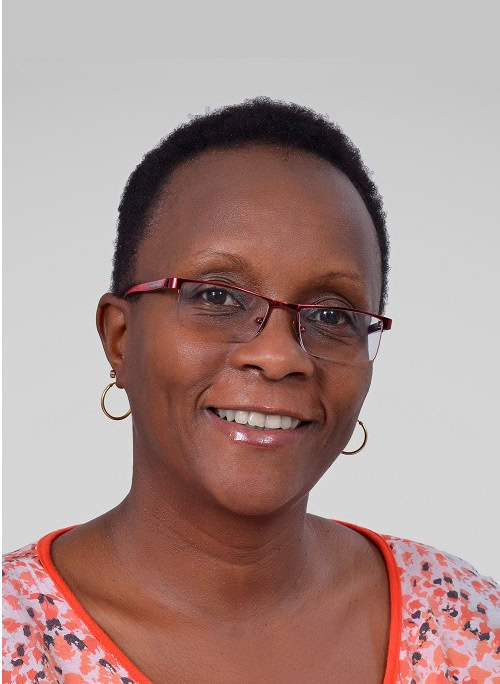
Maria Kamau (or Mkay), a Kenyan ICF-certified travel coach, bodacious adventurer and travel writer. She has travelled to 100 countries and all 47 counties of Kenya, with her100th country, São Tomé and Príncipe, marking the culmination of a 37-year international travel journey that began with a high school trip to Germany in 1989.
Most of Maria’s travel has been self-funded, built through years of saving, budgeting and making deliberate financial choices, rather than through sponsorships or special access. Travelling on an ordinary Kenyan passport has also given me first-hand experience navigating demanding visa processes, higher travel costs, extensive documentation and the practical challenges that can come with international travel as an African traveller.
She first travelled with her sister, or with friends, and in recent years, bravely and joyfully began building experience as a solo traveller across the globe.
Now through TravelwithMkay, her travel coaching business, she uses that experience to help people, particularly women and African travellers, travel with greater courage, confidence and practical preparation.
Reaching 100 countries by age 60 was once my big audacious goal; having achieved it much sooner than expected, my ambition has expanded to visiting every country in the world.
Brought to you by…
The Solo Female Travelers Podcast is sponsored by Solo Female Travelers Tours, our small, luxury, women-only tours that support female owned businesses around the world. Join us on a trip of a lifetime that helps make the travel industry more equitable.













Transcript:
Mar: Hello everyone, I am Mar Pages, one of the hosts of the Solo Female Travelers Podcast. Welcome back to the show. Or if you are new here, I hope this conversation will keep you coming back for more every week. For a lot of people, the idea of travel begins with the same thing: find a cheap flight, book it, and go. And that advice comes from a place of privilege, because you probably have a powerful passport that lets you make that decision first and then deal with the entry requirements and the rest of the tour bookings afterwards. Two women booking the same trip, the same hotel, and the same flight can get through completely different paths to get there.
One may only need a valid passport and a return flight, and that’s usually the case for me, but the other may need an embassy appointment, bank statements, proof of employment, hotel and flight reservations, biometrics, non-refundable fees, and weeks of waiting without knowing whether the answer will be yes or no, and she can go or not. Most travel content online that you will find on social media is very Western focused and it does not get into the challenges. That travelers with weaker passports face because it does not apply to Europeans like myself or North Americans or even countries like Australia, New Zealand or other parts of Asia Pacific.
But what happens if your passport only affords visa free entry to 70 countries and you need a visa or a travel authorization for the remaining one hundred and thirty? We don’t hear much about the risk of losing money if the visa does not arrive on time or it gets rejected, or arriving at the airport with the correct documents and still being asked for more. And this is what we will talk about today with Maria Kamau, known as MKay. Maria is a Kenyan travel writer and certified travel coach who has visited 100 countries across five continents on an ordinary Kenyan passport, no small feat. And her first trip abroad was a school exchange to Germany in 1989.
And in August of 2026, she reached country number 100, São Tomé and Príncipe. Most of these trips were self-funded and planned while Maria was still working full-time, which makes this extra impressive. And in those many trips, Maria has learned how to navigate complicated applications, changing rules, expensive fees, and scrutiny at borders without losing the passion and love for travel. So today we are going to chat about what traveling with a less powerful passport actually requires, what travelers with more powerful passports often fail to see, and how a woman can build a realistic plan even when she cannot simply book first and ask questions later. So, Maria, welcome to the Solo Female Travelers Podcast.
Maria: Thank you. Thank you, Mar It’s a pleasure to be here. Thank you so much.
Mar: And I’d love to start at the very beginning and hear more about what your journey in travel has been since nineteen eighty-nine and how it all started and what path has led you to today.
Maria: Great, thank you. A long story, 37 years. And I think it just started from adventurous spirit. I’ve always been very adventurous. I have to say that I used to get into a lot of trouble with my mom because I’d be those girls who say, I’m just going to the neighborhood and then many hours later show up. lost track of time and yes in a lot of trouble way past the curfew and so because of that adventurous spirit even in high school I specifically selected to study German because I knew the trip there is an exchange trip coming up and there will be an opportunity to travel abroad So it was, as you can imagine, the most exciting thing ever.
All the adventures, mean, I was part of all the clubs that would take me out of the gate because I was in a boarding school. So you can imagine a trip that’s going to take me out of the country for the very first time. And so it was like on so many levels. So exciting. And just getting there the shock, the surprises, the difference and life, I say that I even I think I tasted my first junk food. Of course, we used to have fries and stuff, but like pizza. That was my first taste of pizza.
And it was so yum I kept asking my German mom to, you know, have pizza for dinner. the roads, you know, everything working so smoothly. That was the first time I actually experienced a vehicle drive. driving like at a hundred miles an hour, was like impossible as normal. Yeah. I mean, you could drive, you know, break the rule here, there, but really our roads just we then wouldn’t allow it. So the infrastructure, the amusement parks, you know, this, the culture, everything so different. when I came back, I was just like, yeah, I want to do that again for sure. and we even got to see the Berlin wall while it was still up.
Mar: Yeah, I was gonna tell you this is before the fall of the wall. We got to see East Berlin. by the way, even when you’re talking about visa issues, we got to experience the difficulty of going from West to East for the same reasons,
Maria: because in a bus load full of, African children checked and rechecked. And so I already, I mean, when I think back, I experienced, mean, I can relate that it started far back than I realized. Yeah. Because of course the issue of getting visas and stuff was opaque to us. because it was done for us. done, great, wonderful, fast forward, I have to finish school, go to campus, mean, live life. But I do remember that even then, my first trips out of the country, went to the neighboring country. joined a sports, even though I didn’t play the sport, but I joined a sports trip to Tanzania.
I joined a, you know, a random trip to Uganda. so it just went on like that. I was excited when I was trying to look for work to apply to organizations that I knew that travel just had to be part of whatever I engaged in, whatever I got involved in terms of career. So when it came around to applying for jobs, I was applying for work at NGOs, non-governmental organizations, because in my mind, these were going to be opportunities. Actually, I even applied to do my masters in the US and Europe. It never panned out, and it was fine. I moved on. But when I started now, my career in the non-governmental organizations, I really thrived.
In fact, all through my years working, I said that I am a traveler. masquerading as an employee because I would get every opportunity to travel and that was locally and abroad so it’s not just about crossing borders and that’s how I covered you know all the counties of Kenya not then but over the years in the sense that if my work required it I’d be the one ready to go you know to some obscure part of the countryside would even create work I studied in IT and so I was doing support just when it’s so new and so I would even create support field visits so that I can travel and see any part of the country anywhere it didn’t matter By the way, I forgot to mention that I actually did geography in campus.
I didn’t know I was going to apply in travel, in my travel. So things like the climate variation, latitudes, north, south, they came to me slowly over time as I started to travel. And so I traveled locally a lot and had the opportunity to do some official travel terms of attending events, workshops, meetings. And then my brother relocated to Namibia. And he invited the rest of us, the opportunities here. I didn’t go, but my sister went. So there was an opportunity to visit again. And that was the first experience
Mar: Yes, of course.
Maria: again. why not? My goodness. I’m going to Namibia, pass through South Africa. First experience of luggage getting left behind, even stuff going missing. mean, yeah, you go through these experiences. So I visited, stayed for a month, and then went back to work. So I was living in Mombasa. My sister is living in work related, and my sister is living in Namibia. So since she had gone, she hadn’t traveled back home. And so once she had settled and become, you know, comfortable and she’s able to manage her finances. her life, she can now operate on her own. She started visiting home, visiting my parents And so she visited, think 2003 or 2002. Then 2004 was the first time that she visited.
We hung out with my folks. And then after Christmas, we are thinking, what do with ourselves? And I was like, why don’t we go to Egypt? And she looked at me are you serious or you’re just joking? And I said, no, we just go to a travel agent. maybe they can book for us and arrange for us. And she’s an architect. So she was so excited. So we did. We went to the travel agent, they organized everything and Egypt was, my goodness, we were over the moon. That was the first time we traveled, the two of us as sisters for a whole week abroad, taking care of ourselves.
Obviously we had a guide and you know, the visa thing also again was arranged for us by the agent. And so when we came back, we were so excited. it was, it was a milestone because we realized we can actually get along. That’s important on the travel.
Mar: Very important.
Maria: we enjoy similar things. We like the outdoors, we like discussions, we don’t like shopping, you know, and we are flexible on the go. And that is when I could say that, the trajectory changed because now what we would do is like every year should come for Christmas. We’d stay with the folks until Christmas, and then we travel, the period after that until New Year’s. So to go to Egypt I had to take a loan I had to borrow because I couldn’t afford it and then I spent the following year paying it back But after that, with that experience of paying back for my trip, after enjoying myself, I said I will not do that again.
Mar: Because we
Maria: And from now henceforth, I save and then travel, save then travel. as much as we’d have liked to travel more often, it was like we need time to also save up and then travel out. So that’s what we started doing now, slowly by slowly. And how would we choose where we haven’t been before? and where it’s the visa issue is a bit easier, a bit lenient. But eventually, those countries also, they’re not all within reach. They’re not the top of our priority list. So we also have interest now once we started traveling, once we started using the internet now we are able to arrange things for ourselves. We started now daring to go further.
And I guess I didn’t realize it then, but now I we were able to get approvals for visas because we were traveling a lot also. You know, the more you travel, the more you travel. yes,
Mar: Yeah, you had more stamps, so you had more credibility.
Maria: absolutely. And some of the events that I had attended, Thankfully, God bless boss at the time, he had studied in the US and event came up in the US that he was supposed to go and make a presentation and he asked me kindly, because he doesn’t want to go to the US, could I attend the event on his behalf? I was over My goodness. So I already had the US visa. been to Europe yet, but that alone helps, you know, if it’s in the So for sure, the visa aspect from the start, you know, when you’ve been through the difficulties, you kind of forget them.
But, know, for sure, was one of the most, shall I use the polite word, irritating or annoying part of the whole process because It’s like a project. It’s like applying for a scholarship to a campus So you’ve got to have your bank statements, your letters from your employer, your yellow fever certificate.
Mar: Yeah, there’s also the vaccinations and all the health records.
Maria: absolutely. And sometimes you need an invitation from someone there. at first, the issue of booking tickets was a bit nifty because it’s like, you’re not guaranteeing me the visa. So how can I make a booking? Yes, exactly.
Mar: Yeah, but yeah, the visa the visa application asks you for the flight, right? So it’s kind of a catch-22.
Maria: Exactly. And they don’t guarantee. So with time, they also explain this. They want to see the reservation, they tell you don’t make commitments before you get the visa. so because It was working for us. So what we also learned to do was maximize on the tickets because they’re expensive. So for example, if she’s going, she would also become smart and through her work, she’s running a business. She’d also attend conferences. And then I’d be like, I’m coming as your chaperone or as your bag handler, whatever, and go along with her.
So like if she’s heading to Malaysia, it makes sense to look, at the other countries that we can visit nearby so that after or before the event, we can do our own tours. and then return home after you save on the ticket of going back all the way there to see a few more countries. So that’s what we started learning to do. But obviously the complication starts with which countries need a visa, which one doesn’t, which ones have an embassies locally, which ones don’t, which ones can be applied to online, which are very few back then for sure. so you’d have to do all that work. And I made my mistakes for sure. More on that later.
But yeah, I did make my mistakes and had our drama. A friend I met in Ethiopia while I was working there for short stint. She reminded me that it was while we were doing a trip to Canada. we were doing a road trip from Boston to Canada, from Boston to Mahon Bay, that it was on that trip we started discussing. So how many countries have you been? How many countries are there? is there a limit? Is there a list that we started to take an interest in looking how far are we? is this a big achievement? Is it a smaller? You know, we’ve done when we counted, I had done 18.
She had done something similar, So that now became, a self awareness of, let’s start working towards let’s it’s like a fun game. Let’s see, how we can cover more and more countries. Let’s find out the list. Let’s now start monitoring. And that was when I was just at country 18. when I started having these conversations amongst friends or just informal discussions, I started realizing that 18 was already so much for some people, You say 18 and they look back and like, I haven’t even been to three or five. Yeah, so it was still a lot even then. So it became now a nice competition amongst us. She’s in the U. S. I’m in Kenya.
At the time maybe I was in Somalia. My sister’s in Namibia. Another friend is in Ethiopia. And I started, I created a database, an Excel sheet, and we started now updating each other. To the extent possible, we travel together or visit each other. But that’s how it has, believe it or not, run up to those number of countries because the basic bottom line is that when I get an opportunity to travel, and I learned to save for travel consistently, so it became a lifestyle. Whether I have a trip planned or not, I save for it. I still working, running full time, we’re all living life.
But every time you get an opportunity to travel, it’s got to be in a new direction, it’s got to be a new country. And to the extent possible, have the ability to apply for the visas if they’re there. Having traveled so much having enough stamps I have to say also helped, with the confidence to go and apply it’s like an audacity people say that visa is very difficult well, what’s the worst they can say? No, so let’s go for it.
Mar: Let me try it.
Maria: Let me try exactly and so shock It feels like a shock that one day when I was counting I was like been to 60 countries. Wow. How did I even get there? I wasn’t noticing, I was just enjoying myself, work, know, life happens when you get a chance, travel, then try to travel a lot. And I never do like longer than six weeks. I think the longest I’ve ever done is six weeks. But like in Europe, you can hop, you can country hop, you know, if you have a Schengen visa, then you can do quite a number of countries. Southern of Africa, it’s all visa free.
I’ve done a road trip from Kenya to Namibia on public means with a friend from Germany. also did a trip across Europe with my sister. We’ve done two or three where we country hop. So for example, around the Baltic Sea and then another one we did just France, Germany, Italy, the ones within reach.
And obviously with work and other social commitments, you can travel and finances, you expensive and we are budgeting for visas and flights and our currency variations it’s expensive for sure but yeah that is how I found myself with 60 countries by the time I quit employment now on my own about the past four years I am surprised myself that I did another 40 to get to a hundred that’s the long short story of how I’ve gotten where I am.
Mar: Yeah, we are talking about visas, right? business is like a main topic because that’s the number one barrier, right? our conversation today is entirely around the idea of the challenges of a weak passport, right? Which a lot of people like myself, for example, are faced with very occasionally. You know, like occasionally I’ll need to get a visa and then it’s a pain, right? Because you need to collect all this documentation. The last really cumbersome and complicated visa I had to fulfill was the US. I have an actual visa to the US, even though I’m part of the visa waiver program because I’m not eligible for it. So I had to apply for a visa.
And the stack of documents, it was two centimeters worth of documentation that nobody asked me when I went for the interview, but I needed to carry. And just filing the application, it was timing out on me so many times, it was cumbersome, right? So but just before we get in more into like the deep end of like the challenges that you face, it’s good for the listeners who may be less familiar with this that A weak what a weak passport is, right? So let’s define what the weak passport is. there’s no real definition of what a weak passport versus a strong passport is.
But basically, the definition of the weakness or the strength of a passport is based on the global mobility that this passport affords. And in layman terms, basically whether it offers visa free access or visa on arrival entry to X number of countries. And you know, there are several rankings that track this and several lists. The most common one of them, the one The one that’s used most commonly by the media and by people is the Henley Passport Index. And at the top of this year’s Henley Passport Index ranking is Singapore. Singapore is the number one, and Singapore gives you visa-free access to 193 destinations out of 227. Now that’s not the number of countries.
There’s fewer countries than 227, but some regions require Passports different than the main country. For example, in Europe, you have Denmark, but then you have the Faroe Islands and Greenland. And these are three different entities when it comes to visa. Even if you have a Schengen visa, you can go to Denmark, but you cannot go to Greenland or the Faroe Islands, even though it’s part of Denmark. So this is why the index calculates the access to 227 countries and destinations. And so Singaporean passport will give you access, visa-free access to 193. I have a Spanish passport, and my passport gives access to 186. So that’s a lot.
At in the same scale, a Kenyan passport like yourself gives you access to 71 out of the 227 destinations. So just for comparison purposes, when we say a weak passport and when Maria, when you talk about all these challenges, that’s because you need a visa or an entry paper to 150 destinations versus my forty, you know? So it’s like a big difference. Now the passport strength is very much a remnant of colonialism, right? So you were saying Kenya, you can have access to Southern Africa visa-free. And you know, once you have a Schengen visa, you have access to all the European Union.
If you are Latin American and you’re applying for a visa to Spain, since many of these countries are former colonies, it’s easier than if you’re applying to another country. And you know, some countries have yeah like unilateral agreements, right? So there’s usually regional visa-free access for passports. if you have an Indian passport, you have visa free access to Bhutan, whereas everybody needs a visa and to pay a certain amount of money per day. So all of these things are remnants of colonialism and of diplomacy and relationships between countries. Which is probably why Singapore is at the top of the ranking, right? It’s a neutral country.
It has good relationships to everybody. and many countries also offer reciprocity and tit for tat, right? Americans didn’t used to
Maria: Yes, correct.
Mar: need a visa for Brazil. Like I don’t need a visa for Brazil. Most Europeans don’t. But then Brazil, the Brazil government got a bit annoyed that Brazilians were having it harder and harder to enter the US. So it said, you know what? Now Americans will need a visa for Brazil too. So there’s a lot of tit for tat in the realm of visas. You put a you impose a visa on my citizens, now I will impose it to yours. And visa
Maria: Absolutely. Yes.
Mar: In the end, ultimately all these visa requirements are a reflection of the power imbalance. Rich nations impose stricter visa requirements on developing nations, just under the hypothesis that I’m sure this is what you have faced yourself, right? You are applying for a visa to another country and they are assuming that you’re intending to stay illegally past your visa. So they are asking for a lot of documentation to prove that you don’t intend to do that. Bank statements, ties to your local community, proving that you’re gonna come back home and that you’re not gonna stay, right? So all of this is like. the visa, imbalances and power struggle.
I have been traveling for the last twenty five years and I feel like 10 years ago, the visa situation opened up a lot. Lots of countries removed visas and opened doors. And in the last five, a lot of countries have reinstated pre travel authorizations. They’re not a
Maria: You say, yes.
Mar: visa, but you need some sort of pre authorization before you travel. I’m going to London this weekend, I need a pre travel authorization, which I didn’t need a year ago. It’s not a visa, but I need to submit my details and they need to say you’re okay, you’re clear To at least try to enter our country, right? Like you need it for the European Union now, you need it for the US if you are part of the visa waiver, you need it for Canada, for New Zealand, for Australia, I believe Korea as well. Like lots of countries have reinstated this. It’s not a visa, but it’s a sort of like a semi visa, right?
So you, Maria, you have first hand experience about all of this, right? You’ve traveled extensively and you’ve had to navigate so much of this hassle that we don’t
Maria: Yes, all of them.
Mar: think about, right? I never think about, right? So within the African continent. The Kenyan passport is actually not bad. It’s pretty strong, right? you are almost like one of the strongest in this in the African continent, after Botswana and South Africa, I think a little bit better, but not that much more.
Maria: Exactly. I mean, and it’s because either I’m audacious… because of having been able to transcend all those barriers or have Transcended those barriers because I’m audacious because in my mind I just think like
Mar: Persevering, right? Persevering definitely is a word. But also, as you were talking earlier, I could see that you have a strategy in your mind. Like when you were explaining your travels, you had a very clear strategy to navigating all of these visas. I don’t know if you realize consciously, right? Like you obviously subconsciously do that, right? But you’re like, okay, I start with seeing where I can get a visa. Now, if I get to a place and I already have a visa and I can get it for work, like I get an excuse to go to a place for work. So I know it’s a bit easier to get a visa for work.
Because I already have an invitation, I’m attending an event, there’s some work, let’s say somebody’s vouching for me. My company’s vouching for me and saying, yes, she’s going for work. Then you’re there and then you go somewhere else that’s nearby that doesn’t need the visa. You go on a road trip in Southern Africa because it’s visa-free, you get a Schengen visa,
Maria: Absolutely. Yes.
Mar: and then that already on your passport gives you The opportunity to have many other visas, because there are many counters that will say, you have a Schengen visa. Now you don’t have to apply this way, you can apply in a lighter way because you have a Schengen visa. So the Schengen visa or a US visa oftentimes acts as, like an extra strength. It gives credibility to your passport. And so getting other visas are easier, So you already have this strategy in your mind.
Maria: Yes, that’s true. You’re so right. And it’s probably adopted along the way, as I started now trying to go beyond the easy route, then trying to figure out how do I navigate this. And in my mind, it’s always about it’s possible, it’s possible. And along the way, let me say, today, I may be a little more objective, because of life’s experience. It is a colonial issue I agree it’s a power imbalance. agree, but I also agree that it’s because of presidents. We really have had so many people from, we call it weak passport countries going, to the other countries and, settling in illegally. So once I understood that I started understanding I am guilty until I prove myself innocent,
Mar: Yes. You need to provide paperwork to prove that you’re not gonna do that.
Maria: I’m not going to do that. I’m not one of those. just the fact that I travel and come back, travel and come back, that should give you it’s not enough to just have the passport stamps or the visa stamps. It’s good to show that, you know, you’ve been in and out, in and out, And so that works in your favor that you’re able to afford it. You have a travel history.
And if you’ve been able to get the big brother visas, then there should be no other country that should say no, because, even if it’s expired and it’s not in the passport, your confidence grows And I have to tell you, I have to be frank and say that I never go in with guaranteed not even with a busy passport, because I know it can go either way. for whatever reason, you someone may not like my face or they may just say, who knows? But I know that I never go in with, sassy confidence that of course you’re gonna give it to me. Not even when I’m getting renewals for the Schengen visas when they run out or the US visa.
But it’s always like, if it has been possible, it is possible. and just you take it like a project. I organize my travel taking that into account. the lead time. So I want to go in June. How much time earlier do I need to start planning for that And imagine I’m balancing so many things. It’s not just the visas. It’s also how much will it cost then? I want to also pay sooner so that I’m able to afford. I mean, it’s not so expensive than if I pay last minute. some of this paperwork is not straightforward. More recently, African countries are asking for police clearance certificate. So have to work that.
Graciously, some of them say, because they know our systems, some of them say, at least show me that you made an application. So I don’t have to see the certificate, but show proof of the application. So the first thing is it’s likely I’m going to need a visa. So first put that in mind. What I need to know is what are the requirements and it’s never a straight line. even if it’s passport size photo, bring this size. The other one says that size. The other one says this background. The other one says that background. So you have to first just take that into account. Like first, let me see which direction I want to go.
Let me see how complicated or not it is. And of course, as I’ve traveled more and more, becomes more complicated because then I’ve been to so many countries. So the one I’m rooting for is like in a certain corner, which is, logistically difficult to get. And by the way, you’ve not even mentioned that even traveling to many of these places from Africa is the additional logistical nightmare, Yes.
Mar: Yes, of course we’re only talking about the visa at the moment, but we haven’t even talked about getting there and how difficult it would be to get there, which is also another complication. But you know, like you’re pointing at something that I think is important and that people unless they have applied for a lot of visas themselves, they wouldn’t know. But the timing part is very difficult sometimes because you can only apply for
Maria: It’s very difficult.
Mar: a visa like a certain amount of months in advance. Let’s say a Schengen visa. You can only apply six months in advance and then the visa is valid for a year. And you don’t know how long it will take for them to process it, right? So let’s say you apply on the first day of the six months in advance. And then they take two months to get back to you. Then it’s four months in advance. So you can only start all of your real planning four months in advance, And then sometimes the visa will take a month and it will only be valid from three months from the time that you get the visa.
So you really have very limited time to get that visa, right? And then if there’s any delays or whatever. Then in the end you’re left with like, I have two weeks to travel. This has happened to me, even though I don’t need so many visas. Sometimes I’ve had to process quite a few of them. And the ones that I need to process are extra cumbersome, right? Because like you say, it’s like the most difficult qua countries that are left, right? So this part, like walk me through how what is your process for booking a trip? let’s assume that you need a visa. From then on, what’s what happens until you get on a plane?
I want to see all the turns and shifts and corners and all of the decision points that you’re going through.
Maria: First of all, Europe is very difficult. For Africans, to begin with, there’s no such thing as six months, three months. You start with when are you traveling out, when are you traveling in, and all your paperwork must match. You cannot come here three months in advance, and we cannot tell you how long this is going to take. So you figure. Yes.
Mar: And you need to first get an appointment to apply for the visa, right? That’s already a challenge in itself. being able to apply, you have to apply in person. You don’t just do it online and fill in an application.
Maria: No, for sure not. And it has evolved with time. Now they use agents. So you can do a lot of the paperwork online first before travel. if I’m to take you through, it also is region specific. My lead time for Europe, US, Asia is different from lead time for Africa.
Mar: Okay, let’s do Africa. Let’s do Africa. Which country in Africa are we going to?
Maria: We are going to yeah, so let’s walk towards how I go to my hundred We are going to Angola
Mar: Okay, yes.
Maria: so I start with what are the visa requirements. the reason I wanted to start with Africa is that I cannot even trust what’s online. At least Europe, I can trust what’s online. and this is what I coach my clients, make sure it’s an official domain because they’re agents. So Europe and America is relatively straightforward in terms of understanding what are the requirements. With Africa, not so much. I to check first of all, is there a local embassy? Number one, because there are many countries there’s no local embassy. and if there is, I’m going to walk over there. I want to go there myself. I’m not going to read the internet. Yeah. Yeah. Blah. I’m going there.
In fact, by default, you will be handed a list of requirements that don’t look like what’s on the internet. So that’s why I make a physical visit.
Mar: Okay. So first of all we’re double checking the online requirements.
Maria: Yes, we are going to double check and I will, go through the one, two, three pages of requirements depending, okay, with them so that I am clear. Okay, what does this mean? What does, you know, I don’t want to have to come back because again, from the past, I’ve had to come back and then things change. So take me through that. Then once I have that, let’s back up a bit. Let’s back up. Once I identify Angola, I’m going to see what other countries are nearby that I haven’t So even before I go, yeah, so we just back up a bit.
I’m targeting Angola, but let’s see which other countries around there I haven’t been that are accessible or logistically, able to be organized, you know, in the same trip. So I look on the map and I spend a lot of time I have to say on, but even when I take breaks from work, just looking online and Google Maps. So I will look and I’ll see. Okay, so there is a Congo-Brazzaville is nearby. I’ve never been DRC. have. then there’s Gabon and the Equatorial Guinea. Mind you, I also have to mention that these are countries that I had looked at many seasons ago. I tried to access them, found the process too difficult and moved on. So I’ve let time pass.
This is what I do. Can’t do it. Okay, moving on. There’s so much else to see. So now I’m like, okay, let me see if requirements have changed. Let me see whether things have changed now. So these others do not have local embassies so I’ve settled on five And I’m like, that’s a nice trip. OK. So when am I thinking I should go? I need to look at my calendar and see. OK, so I’m thinking around July.
So I would have looked at it in January, February, did a scan, but I’ll give it a three month lead time, three months, and then fortunately I’ll see Gabon it’s an e-visa okay thank god for that I think you know a lot of countries are
Mar: Okay, one less.
Maria: going online and honestly that is the best even if it’s all list of requirements the one thing I like about the e-visa is that I don’t have to hand over my passport and have it retained while they’re processing the visa, which the Schengen does. At least the US doesn’t. Schengen does. And that now complicates things. If I need the passport, if I want to travel, if I want to change my mind, I can’t once the process starts. So once I have the five countries, then I look locally what’s the visa requirements. So this one is online, that one’s online, that one’s online. Here Congo-Brazzaville has got a local embassy and Angola has got a local embassy. Where are they based?
Look on the map. I’ll first confirm the PIN because the PIN could be, moved offices and indeed Angola embassy moved offices. So I have to check and recheck the PIN and then find my way there. So I have to allocate time. I don’t want to overlook this. some of them have actually phone numbers that work let me point that out that you can actually call and ask what time can i visit the embassy because time schedules vary from embassy to embassy so you may arrive there and be told we don’t allow you know visa inquiries from this time to this time come tomorrow or come whichever other day so i try to target office hours to make an inquiry.
So that’s when I’ll make the inquiry, get the list of requirements, ask my questions, ask about how long it’s going to take, You would be surprised how much information is not even on that list that you will get by having a conversation. So I ask all my questions, get away with my paperwork from their next embassy, go check in. So Angola had a two or three page guideline. Congo-Brazzaville was surprisingly easy. just come with your passport make sure you have an accommodation and a ticket reservation. I don’t even think they asked for a ticket reservation and we’ll stamp your passport. That’s it. I’m like and I don’t need to pay? No, it’s free.
You know small wins. then I’m back now to sit down and make my plan. By the time I have decided to visit those countries, by the way, I would have already done a budget of Travel I wouldn’t talk about that much but it’s important because then I have to are the logistics worth it don’t want to spend five thousand dollars just moving from one country to another So I would have already have done that I would have already planned my route so that I know that even when I’m making applications I need to have figured out some draft schedule.
So now I have the Angola one once I know the lead time because for Angola they said don’t come earlier than I think a month. So I can’t even apply then I have to wait it out. But it’s fine because I have so many things to prepare. I have a medical report. I have a police clearance certificate to get. Did they mention bank statements? I had to get some passport photos. so there’s a long list of requirements. So that gives me time to follow that up. that I have to do it closer to the application so that I don’t give old information it’s got to be closer.
Mind you to get that police clearance I need to make a visit to town to apply for it have my fingerprints blah there’s something online to do so there’s a lot of things I have to do even just to get the one or two or three documents required and the most interesting thing for Angola was that I needed to have an invitation letter from someone inside Angola, stamped by the Ministry of Health in Angola. So what are you going to do? You don’t know anyone there? No. You will need to know someone there. Okay. So what do you advise? I just want to go just for tourism. And the lady says she gave me a contact. So thankfully that worked.
Otherwise I would have been back to So You also need to write a letter. It’s got to be in Portuguese, you know, applying for this visa. and then you will make a payment for the visa once it’s approved, not before. So that’s a good thing.
Mar: Okay, good. That’s good, right? Because many business you pay upfront and it’s a non refundable fee whether you get it or not.
Maria: exactly. So a lot of countries have started doing that, which is good, not all. But the interesting thing is that once I connected to the guy and I need an invitation letter, of course there’s a fee. I have to pay $120. And he’s like, out of that, it’s not even me. I have to pay the ministry who I’m going to give you, who I’m going to give the letter for you to stamp so that then I send it back to you. Yeah, so that’s already a cost. I’ve not left the country. I’m not even booked a flight.
Mar: Yeah. And this is non refundable whether you get the visa or not, you paid for the letter.
Maria: no, it’s not. No, it’s not. at least he’s decent. He’s like, you pay me half Now Angola and Kenya, very different colonies. We have flights most recently started, but our trade and interactions are limited. So even me trying to send money, there was another whole logistics because then I have to use Western Union. I have to go to a location. It’s, know, it’s not just straightforward. So meanwhile, then I’m able to apply to the Gabon, São Tomé and Equatorial Guinea visas. Mind you, I have to apply to each of them individually. I cannot talk about I’m applying for a visa when they ask for a flight ticket.
Everything has to be from Nairobi back to Nairobi and I have to adhere to their requirements. It’s online but you have to upload the documents. So for each of these, you have to prepare yourself, prepare the documentation, prepare the timing. Each of them have varied, this is going to take five working days, that one will take three working days, this one will take two weeks. So now I start planning my route, trying to see which one is most cost effective on the routing and the timing. So at the end of all my planning, as I saw that, you know, the visas are now I’m now getting approvals, they are coming. I still haven’t gotten the Angola one.
The Angolan one would need a whole recording on its own. So I can’t even give you all the things that I went through to get, for the Angola visa. know that there was a lot more, it started with that letter and then I have to submit and then a system issue. So the way I had planned it was fly to Congo-Brazzaville, then Gabon, then Equatorial Guinea, then São Tomé, then come back to Angola and fly home. So round robin. But for me to get to both Congo and São Tomé, I’d have to go through Luanda because the flights is Luanda based. So my ticket is going to Luanda, then Congo-Brazzaville. That’s the first stop.
I continue now to Gabon and just like that staying a few days, a few days, a few days and then come So the date is approaching. I have been told that it’s going to take two weeks. I’ve even been given a date to collect their passport to pay for the visa. The day comes, no information. I call. What’s happening? It’s not ready. The next day comes, it’s not ready. Mind you, I am supposed to leave for my first location within the next five days. And there’s a weekend in between. So the lady just explained to me, listen, there’s a system issue. I don’t know, can’t you wait, just wait for two weeks. I’m telling her I have to travel.
I have planned my travel. Once I go, I’m not coming back. I need to get the Angola visa before I depart. Do you know that on the day of departure, the visa was not ready? And the best they could tell me was
Mar: god.
Maria: that, you’re not alone and there’s so many other people and we can give you a visa right now, but it’s valid from today for the next eight days. And I said, I’m not planning to be in Angola now. The next eight days I will not be in Angola. My flights are all booked. My accommodation, everything is booked. I’m supposed to be in Angola in two weeks time, not in eight days time. So they said we can’t issue you because if we give you a visa now, it will expire. So you wait for your visa. And that is the point they choose to tell me that actually your visa is long term. I didn’t even have that information.
You’ll be given a visa for in fact, she says two or three months. It’s not even specific. they will decide. So can I do? My flight is booked for that night. I was in the Angolan embassy that day. I had to change my flights around. I’m not going to Angola. I don’t have an Angola visa. And so I just have go to the four countries and come back home. Plans changed and the headache it gave me was that when I got to São Tomé and I say Check in my luggage straight to Nairobi because I’m only stopping over for a night and they say we can’t do that because you’ve booked it on two different tickets.
I’m like it’s the same airline.
Mar: God.
Maria: What is the problem? No, we can’t. It’s not allowed in our policy. So I’m like, so what do I do? I can’t stay here. My visa will also expire. They’re like, you have to buy a new ticket. Are you people serious? So I just, God’s grace, after back and forth, asking around, I was able to do the layover, which ended up being many more hours because the flight was changed. But anyway, I got home. while I was away, I did get a message that my Angolan visa is now ready. But I have to go back to Nairobi to get it. that is how I found I had to return to Nairobi, go and visit the office.
They still have to check, I eventually got the visa. It is a four-month period. And I just thought, I have to be over with this. I’m not going to do this all over again. it’s an expensive,
Mar: You have to go to Angola now.
Maria: I have to go to Angola. So I had to now just plan it’s a straightforward flight. Let me just get over and done with. That is how I am on Country 101 because I just came back from Angola last week or the week before.
Mar: Because São Tomé was the country one hundred.
Maria: was country 100. And Angola has been out of reach for a long time. This was not my first attempt. I hadn’t attempted to apply, but the first time I saw all the requirements, calculated the time, tried to look at the Gabon and things, and it was just not working. I moved on. So out of all the South African countries below the equator, had been to all of them except Angola. So it’s just standing there staring at I’d be like, when am I just going to be done with this one? imagine Angola inspired the other four, but I go to Angola last.
Mar: Yes, well it was meant to be, right? Angola has been actually difficult for everywhere. Only it’s very recently, the last year, that they’ve opened a new airport and they’re pushing tourism and they’ve removed the visa application requirements because they had these requirements for everybody. So this was not even like a Kenyan passport requirement. I believe Europeans had the same the same requirements and also limitations in how to get there. But would you say like I have a few fire chat kind of questions for you? Is this the most difficult and cumbersome visa you’ve applied for or have there been worse than this?
Maria: There are two that stand out. Saudi Arabian Cameroon. Saudi Arabia required me to notarize my documents. had never even heard of that. So I had to find a government department that does that. I went to Supreme Court for the first time in my life because there’s an office there that I had to figure out and ask for this, that, and the other. The requirements, my goodness. Saudi Arabia special. But Cameroon, want to make special mention. Cameroon required that my host present herself at the police station for clearance.
Mar: Wow. Before your arrival.
Maria: to apply not before my arrival, for me to make an application using her name and her person as the person hosting me. I have never heard that. was like, of all the things that need to be done by a police station, verifying their citizens so that they can invite guests, And I was feeling so guilty about it because this is not a lady I know very well. She just happens to be a friend of a friend who was working there. And that friend, who’s my good friend, we used to work with her. They were very close and had promised to host us when we visited. And then my close friend moved out of Cameroon and the promise remained.
So this is not even someone I know very well. This is someone highly placed in her profession, a busy woman. And now my application is requiring her to make a visit to a police station so that she gets cleared and she has to provide her qualifications, she has to provide her identity she didn’t make a big deal about it, she’s a wonderful woman, we are friends, just God bless her heart. She says she obviously did what many of us would do. she sent someone to the police station just like, just go with my papers and yeah, The police said no, we have to see you. So then I have to get those papers, present them to the Cameroonian embassy.
And once I had done that, along with all the other list of things they had asked for, on the day of presenting the papers, I knew I was going to pay $180 or something like that. They just say, no, that one is not available. You have to $250. And mind you’ve had all I have to go through in terms of timing, know, leave the scheduling, the ticket. And I’m coordinating this with my sister who’s in Namibia. So she’s applying to Cameroonian Embassy in South Africa.
I’m doing it in Kenya. when she’s telling me this $250, Even if I have a change of mind, there is very little room for adjusting because I’m paying it that day so that it then takes I don’t know how many days to be processed. So. Not only has it cost me more in terms of all the dramatics with my host having to visit a police station and all the other documentation not listed, then they have actually cost me more. So they said that they only accept cash, no back deposit. So I’ve come with that money exact in US dollars and they’re like, no, 250. you’re the one who gave me this paper.
It’s 185. no, we only have the one for 250 available and you’re talking to a messenger. So you can’t even get mad at her. you can pay today or you come back when you’re ready.
Mar: And is this the most expensive visa
Maria: Yes, it was the most expensive.
Mar: This is the most expensive, two hundred and fifty.
Maria: 250 that I’ve ever paid, in Angola was 225. So they are not far from each other.
Mar: So they’re close to each other, right? Like Cameroon, Saudi Arabia, Angola, difficult ones, expensive ones. You’ve already told me that there have been destinations that you have parked because of how complicated it is and maybe revisited them later. I assume that the first places that you started to travel with were also the easier ones, right? So now that you’re at a hundred, the ones that are left are the ones with the more difficult visas?
Maria: difficult or far away or inaccessible you see like what I did with Angola and Gabon is you know convenient but when I think of Mauritania which is like on the other side of this earth when I think of actually I was planning to go to Algeria and Tunisia when I read through the requirements I just put it aside and said you know the countries are not moving I will go well go next year
Mar: Yes, but are there countries that you just simply could not visit because of visa requirements? I know that, the US right now has restrictions on some nationalities that cannot even go to the US, there’s no visa path. Are there countries that you cannot go because you cannot fulfill the visa requirements? Because I for Cameroon, you needed a host. So to start with, you need to know somebody there. or you need an invitation letter from somebody in Angola. So are there countries that you’re just it’s not that it’s cumbersome, it’s just that you have no way to meet the requirements.
Maria: For now, yes, because I tried to go to Kuwait. That’s what they told me. And honestly, Mar I think it’s just about having the bandwidth or the mindset to try.
Mar: Perseverance.
Maria: Yes, So I honestly don’t think there’s any kind of the countries that are off the list now, for example, those in conflict. So I was to go to Iran and Kuwait and I’m just like, okay, Middle East, we’ll see you in another two, three years when things settle down. But there are countries like Afghanistan where I don’t even know if they can allow it.
But I’m quite confident that if I went there through official work, I’m sure I can apply to be a consultant or something. that countries like those I put them aside Afghanistan Yemen Yeah, know, countries where I know that I probably wouldn’t get a tourist visa. but there could be other ways of, visiting through official work. and those are countries where they do have a lot of expatriate work and they have high turnover. So it’s just a question of, am I willing, to do that? Not now for sure. I don’t know even if in the future, but I’m thinking like, Those can be country number 193,
Mar: We will leave them for the end. And who knows for the next ten, twenty years how they will go, right? But with all of these visas that we’re talking about, how much money have you spent just on visa applications?
Maria: It’s a good thing that someone else asked that and I had to do a calculation. yes for an article publishing I was shocked. for people who wonder how I have traveled as a lifestyle. I also have documented accounts of my finances or expenditure for the past 20 years. And that’s just how I’ve lived my lifestyle. was like how much have I actually spent
Mar: And how much? Tell me.
Maria: About $4,000 maybe 500,000 Kenya shillings $4,000 yeah more or less you know it is
Mar: That’s a lot of money. Just on visas, right? That’s not even the travel part. That’s just the visa part. There’s just there’s just the permission to travel, right? And that’s permission and I and I’m making like I’m highlighting this word specifically because a visa does not guarantee you entry. So you can still have all the visa, get to the border, get to board in your flight and not be allowed to board. Has this happened to you? And in what situation could that happen? And have you have you learned to prepare for whatever could happen at the border, even though you have a visa?
Maria: fortunately, what has tended to happen is that even though I have a visa, can be randomly selected to step out of the line, randomly. and interrogated. That has happened even for countries for which it is official that I can get the visa on arrival. So I haven’t been refused entry, but I have been interrogated.
Mar: And what do they ask?
Maria: What are you doing here? Where are you staying? Things that, you know, I have the information. And you’re traveling alone? there’s an interesting one in Hong Kong. On our way to Macau. I was my sister. She stops us and there was a Hungarian lady as So she started what I call, the way she was asking the questions, it’s like she was going through a checklist in her mind. She’s like, do you do for a living? I said, a consultant, my sister an architect, come you’ve been traveling only in Africa because she was looking through our passports? And we said, yes.
And we’re thinking, so what’s the question there? anyway, because at the time, by the way, this was like after COVID. So a lot of the countries we’d done were just within nearby. So indeed, a lot of Africa. And then she asks, but who approves all your leave time? And we look like I’m a consultant. Then she says it to herself. says, yeah, you approve it for yourself. I felt like she was short of asking, how do you afford it? But she’s already asked us what we do and how come we have so much time. And then she goes through and she says, and you were here 10 years ago.
So we looked at each other and said, was that 10 years ago? OK. she’s even helped us because we couldn’t even remember the last time we were there. So it’s like she has been through the information. She’s doing some mental checks. But what was interesting is like as she’s questioning us, she’s also questioning the Hungarian. And the Hungarian was a bit miffed. She was like. I’m a business woman. come here every other month for the past six months. Why do I keep on being interrogated? Why do you have to keep asking me to step aside? she says it’s procedure or she mumbles something. If you want a long-term entry, you know, apply for it.
But this is just what we’ve got to So it’s a check. They may not voice all the questions they’re asking, but it’s like just checking on you. Who are you? What are you doing?
Mar: Just making sure you’re consistent and you’re not saying anything that’s like suspicious in any way.
Maria: yes, and I suppose To be fair, I don’t know but I think that maybe they don’t see enough people who look like us who? Coming just for tourism. Maybe they come for business or for maybe something illegal or you know visit family or something Not really just you don’t know anyone here and you’re just coming and you’re just visiting. don’t know how often they see that didn’t end there. We went to Macau and once we got there he asked, how much money do you have? We didn’t know how much we are supposed to have so I was like, okay, I have $500, show it to us in cash. Show it there’s a camera. Okay, so I put it up.
Do you have credit cards? Yes. Do you have debit cards? Yes. Okay. So he went away, he came back and then he says, sign these forms. And as we’re signing the forms, the statement says we have been denied visa entry. We accept that we have been denied visa entry. Mind you, this is a country of visa on arrival. We have been denied visa entry because we do not meet the requirements. So I stopped and I said, why are we signing this? Which requirements are we missing? He says, you don’t have enough money. uh That’s Hong Kong dollars, Macau dollars. okay. So when we did the maths,
Mar: No.
Maria: was like $700 or something. But like we showed you the money, we have it. We have a hotel booking. So what do we need the other money for? He says, you have hotel booking, let me see. It’s paid up and it’s for the time we’re going to be there. And you said, no, we are not signing that until you tell us why you will not. I couldn’t even believe myself. mean, I was nervous, but I was like, there’s no what reason why So he said I have to go to my supervisor said that’s fine. We have time and we’d arrived at a good time So he went consulted whoever he wanted to consult the next thing we saw him.
He said yeah, come you pay the 20 for the visa Yes.
Mar: Okay, good. So that was a happy ending to that visa.
Maria: Yes. So for most have been we’ve been interrogated in Cambodia in New Zealand now for me what raises questions is that I tend to have one-way flights
Mar: You’re going somewhere else, right.
Maria: you have a return ticket? No from here. I’m going where let me see Yes
Mar: Then they need to check the visa for the next country so that they need to make sure that you’re actually able to leave the country and you’ll be allowed wherever you’re going next, of course.
Maria: Exactly. And this even the airlines do nowadays because then it will be on their cost. So what I did was like, which is now also something I’ve learned to do. I removed my file with my paperwork. What document do you need? Yeah. there you go. You look through the paperwork. So he looked at it and he just shake. Okay. Okay. You have your documents back.
Mar: So you come prepared with all the documents that you could potentially be asked and now you know exactly how many documents or which documents you could potentially be asked, because at this stage you have been asked everything and anything, right?
Maria: Anything and I do it print out as much as possible to the extent possible because online is I mean on your phone Yes, and I don’t want them to
Mar: So they can see the paper, yeah. You never know if you will have internet, right? You don’t want to like raise that the Wi Fi is not good, whatever.
Maria: say give me your phone Go to the other side and let me check what’s on it. No, you take the papers
Mar: Yeah, no, we don’t want to do that. We want paperwork. Plus, if you take out a file, it sounds like more like you’ve you’ve come prepared, right? So I think that I mean, Maria, you have so many stories to tell, right? Like we have been talking for more than an hour and we could be talking here for hours more with like just the visa part. I to be honest, I never think about only in special cases when I have to apply for a visa, right? The last one, as I said, was the one to the US, and that was quite next level cumbersome.
It would ask me to mark all the countries I have been to, and I have been to a hundred and many, right? So every time I would go through the list of marking all of them, the page would time out. So I had to do it many times until I could be quick enough to tick all of them before the page timeout. So the stories that you would have would be so endless, right? But tell me something. Just a few last quick questions. Where are you heading next?
Maria: Maybe the same Algeria, Tunisia. I’ll see. Not at all.
Mar: Okay. Okay. So you’re not giving up on the challenge. I see that you’re not going somewhere easy and like you know, a quick entry like let me go to a country that’s like visa free entry after Angola. No, you’re going like straight into the complex ones.
Maria: Yes, in fact, I wanted to go to Eritrea because it’s visa on arrival, but it doesn’t make sense for me to go there without passing through another. So that’s why it’s like Algeria, Tunisia. Then I’ll throw in Eritrea.
Mar: Okay, So Algeria, Tunisia next, maybe Eritrea after because it’s like an easy one. And I if you’re a Kenyan woman and it’s their first international trip, where would you solo, where would you recommend that they go?
Maria: Hmm.
Mar: Okay. Visa free.
Maria: visa free, Uganda, Tanzania, South Africa, you know, because at least they have tourist resources. exactly,
Mar: Same language in East Africa.
Maria: yes. And same people, same African people. So you build your confidence.
Mar: Right. And do you travel carry on or check baggage?
Maria: one carry on and one checked because I’m usually going for a while so at least one checked back.
Mar: Yes. Of course, you’re going for at least three or four or five countries at the same time, Algeria, Tunisia, and then throw in Eritrea or I want to go to Angola, so I’m also gonna go to Congo and Gabon and you know, Equatorial Guinea and São Tomé and so on. So you’re always throwing some
Maria: Yes, Egypt. Exactly.
Mar: into the hat. And you already told me that you never had visa rejected, and I’m gonna cross fingers that ne that never happens to you.
Maria: Let me say, no. I did, I did have Qatar Unfortunately, it was online. And you know what? It was a godsend because I was applying just before COVID hit. So we would have been in the country at the time. So God rejected once,
Mar: So it was meant to be.
Maria: God rejected twice, and the third time decided, let’s do Mauritius. What is it? Or Seychelles instead. And you know what? I did go back to apply. By that time they had the World Cup. They’ve changed their systems. It’s an online thing. And when I was told about that online thing, the guy who told me about it told me specifically, don’t bother applying. 80 % of Kenyans don’t get the visa. That is what’s I said, I’m going to apply and I’m going to get this visa. And I did.
Mar: I think it’s a good conclusion to end on that you don’t give up despite because this was a question I wanted to ask you. have you been discouraged? Is it frustrating? For majority of people who have stronger passports that actually never have to deal with visa problems. The moment they have to deal with the suddenly it’s like a mountain, you know? It’s like, my god, how can it be so difficult? And I sometimes think about it like, wow, all the people who have passports that require them to get visas for everywhere, and you’re complaining about This super difficult visa without realizing that the people from that country have to go through an insurmountable amount of documentation to come to yours, right? So I think that this episode hopefully is a good reminder to everybody who has a strong passport that they are extremely lucky and very privileged to save all that time and all that frustration and all that paperwork and bureaucracy, which is so disheartening. And all that money, and all that cash.
Mar: all that money. So thank you so much for sharing your so many anecdotes and stories. I think that I could have a coffee with you and talk for hours and hours. And I hope that for those who have a weaker passport, that your stories are an inspiration and like your perseverance are a good example. And we will put the links to your website and to your social media channels
Maria: Yes, please.
Mar: and to your contact details so anybody that wants to get started can reach out to you because we didn’t talk about this a lot, but you’re a travel coach, so you help women. from Kenya and other countries that have weaker passports, get started with this. So if anybody wants to get a bit of that perseverance and that is so contagious, they can reach out to you as well. Don’t give up. I love this way for ending today. And thank you so much,
Maria: Absolutely. Don’t give up. Yes, you can.
Mar: Maria. I hope that your next trip goes off to a good start and you don’t have to do a lot of paperwork and that you know you kill them with kindness at the border.
Maria: Yeah, thank you. Yes, absolutely. Thank you. thank you, Mar. It’s been nice chatting.
—
And now it’s time for a weekly travel tip where we talk about travel tips, trends, and the things we think travelers should be thinking and talking about. This week we’re talking about something that most women who travel solo have probably experienced without even realizing it. The pink tax on solo travel. The pink tax is most commonly used to refer to the extra money that products marketed to women cost compared to those marketed to men. For example, razors made for women are often significantly more expensive than those made for men, even though they use the same technology and they’re basically the same. Medications used to cure conditions only women experience are sometimes more expensive or attract higher taxes.
And of course, travel does not escape this duality in gender pricing either. Not exactly in the same way, but similarly in concept. There is sort of an invisible tax that solo female travelers end up paying just to feel safer. Have you ever chosen the more expensive option because it gave you a greater sense of safety and a peace of mind? Let’s take a look at a few examples. First, female-only dorms often cost more than mixed dorms.
Many solo female travelers love hostels as an easy, social, and affordable way to travel, but prefer female-only dorms because of safety concerns or just to minimize the risk of snoring. and yet female-only dorms are often more expensive than the mixed ones, even though they offer exactly the same amenities. Hostel owners say it’s a product of supply and demand, But is it really that different from a razor aimed at women costing more than one aimed at men? The same can happen for women-only train carriages or buses. Next, taking a taxi instead of public transportation. Have you ever taken a taxi simply because walking or taking the bus or a metro felt unsafe? Mar certainly has.
Do you think a man traveling solo might have done the same? The numbers don’t show that. Forty-three percent of men worry about walking back to their accommodation at night, while seventy-five percent of women do, according to the Safer Tourism Foundation. Another survey found that twenty-nine percent of women do not take public transportation at night, compared with just eight percent of men. In the end, those extra expenses do add up. Estimates place the extra cost women incur to feel safer when it comes to transportation at twenty-six to fifty dollars per month, compared with zero dollars for men in the study.
Now, this figure reflects regular commuting rather than transportation while traveling, but it gives us an idea of the additional expenses women face. Do you take the cheapest train ticket or are you more inclined to book a higher class or VIP seat so you have more personal space and privacy and therefore feel safer? The idea of being in a cramped carriage with dozens of other people, many of whom may be men, without much personal space is not appealing to many women. The fear or risk of harassment or theft is always in the back of our minds, so we end up booking more expensive seats to minimize that risk. Then there are daytime flights instead of nighttime flights.
For example, Mar prefers to land at destinations during the day so she doesn’t have to navigate getting to her hotel when it’s dark or when she’s half groggy. Makes sense, right? when you’re already tired because of irregular limited sleep, having to bargain with a taxi driver, exchange money, get cash from an ATM can be extra tricky and leave you more vulnerable to scams. Early morning and late night flights are often the most affordable, but they involve navigating airports, transfers, the transportation when it’s dark and the streets are emptier, so solo female travelers may avoid these flights and end up booking more expensive daytime options, or paying for a private airport pickup from the hotel to minimize problems.
And finally, there is a dilemma between international chain hotels versus smaller boutique hotels, guesthouses, or B&Bs. Many women feel less safe booking a small privately owned hotel or B&B or even an Airbnb hosted by a man. instead they may book larger international chain hotels that have the reputation and the backing of a large corporation, even when a more affordable, privately owned alternative is available. Of course that doesn’t necessarily mean the smaller property is less safe, but the perception of safety influences what we’re willing to book. And how much we’re willing to spend.
The bottom line is the tourism industry often exploits the increased risk and perception of safety concerns disproportionately affecting women to make gender-specific products more expensive, even when they cost the same to provide. At its core, gender-based pricing, such as more expensive female-only dorms, can actually exacerbate women’s safety concerns by creating the perception that if we don’t choose the options, we’re putting ourselves at risk. And at the same time, this price discrimination adds a financial burden that men are less likely to face on top of the gender pay gap women already experience. So, we’re often earning less than men while paying more to travel safely.
Now this doesn’t mean that every woman should stop taking taxis at night, which is the cheapest accommodation regardless of how comfortable she feels. there are real safety concerns, and every destination situation is different. But it’s worth recognizing how these choices influence our travel budgets and questioning whether the additional costs are always justified. What are your thoughts? Have you paid the pink tax while traveling solo? Were you even aware of the choices you were making and how much actually were costing you? Join the conversation on YouTube or Spotify where you can leave a comment on this episode or leave us a review on Apple Podcasts and let us know your thoughts.
If you’d like more travel tips, personal recommendations, and insights, Mar shares it all every week in our newsletter. If you’re not already subscribed, you can sign up on the Solo Female Travelers website and through the link in the show notes. And that’s it for this week’s travel tip. See you next week.