
What happens when romance, solo travel, and modern dating collide?
In this episode of the Solo Female Travelers Podcast, Meg sits down with Sabrina, a sex educator, TEDx speaker, and founder of After Sex Ed, to talk about dating, intimacy, boundaries, and safety while traveling solo.
Meg shares some of her own experiences with travel and dating, while Sabrina explains why travel can feel so freeing emotionally and psychologically, and why so many people are drawn to romance while away from home.
Together, they discuss vacation romances, solo travel dating safety, setting boundaries, trusting your instincts, online dating abroad, consent, STI prevention, cultural differences around sex and relationships, and why “no” is indeed a complete sentence.
Sabrina introduces us to what she calls the third sexual revolution,” and discusses why younger generations are increasingly craving emotional intimacy and real connection, and how confidence, self-worth, and body image shape the way women approach dating and relationships at every age.
If you’ve ever experienced a vacation romance, wondered how to date more safely while traveling, or wanted a more honest conversation about intimacy and solo female travel, this episode offers thoughtful, practical, and empowering perspectives.
About Sabrina
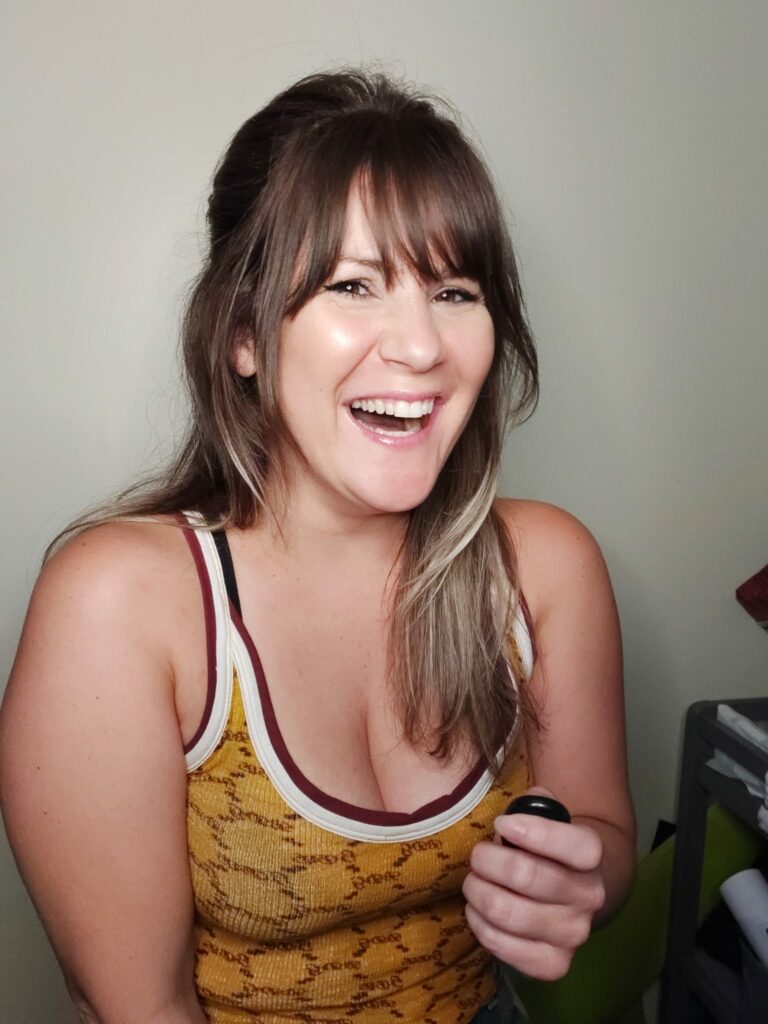
Sabrina Baldini is the founder of After Sex Ed, an adult sex education platform that brings humor, honesty, and evidence-based insight to conversations about sex, relationships, and modern intimacy. A TEDx speaker and internationally booked educator, Sabrina helps audiences rethink pleasure, consent, and connection in a rapidly changing world.
Connect with Sabrina:
Website: www.aftersexed.com
TikTok: @LearnwithSabrina
Instagram: @afters3xed
Brought to you by…
The Solo Female Travelers Podcast is sponsored by Solo Female Travelers Tours, our small, luxury, women-only tours that support female owned businesses around the world. Join us on a trip of a lifetime that helps make the travel industry more equitable.














Transcript:
Meg: Welcome to the Solo Female Travelers podcast. Today I’m joined by Sabrina, a sex educator, TEDx speaker and public speaker who’s built a strong community around making sex conversations, intimacy and connection feel more human and less awkward. So hi, Sabrina. It’s so great to have you here with us today.
Sabrina: Thank you for having me!
Meg: You’re welcome! And could you start please by introducing yourself and share a bit about how you started your website and your channels after sex ed.
Sabrina: So my name is Sabrina. I’m from Toronto. I’m from I have been teaching sex education on and off for about 10 years, and I’ve been teaching it in varying capacities to students, like students mainly. Like elementary school, high school, I used to work with different charities and NGOs and things like that. So was always involved in sex education, but generally in a volunteer capacity. I just was very passionate about the subject and I’ve even traveled to the developing world to teach sex then during COVID, I think like a lot of people, I was like, I don’t know what I’m doing with my life. Like, I don’t know what I wanna do. I don’t know what I’m passionate about. But sex education was always this big kind of North star.
During COVID, I went back to school, which is like, when I look back, it’s shocking because I had a toddler and I was like, in my like late thirties, I was like, what am I doing? But it’s felt like a really, really good time. And I got a graduate degree in sexual health and rehabilitative medicine. Of course it was all online because it was during COVID. And strictly for fun, I started a TikTok and a podcast just about the stuff I was learning. And it blew up.
And I got a big following and I knew for a long time that there was a really big appetite for sex ed, especially for adults. And I called my company and my platform and everything after sex ed because for the years that I was teaching sex ed to kids, I had always noticed that the adults in the room would pull me aside and ask me a ton of questions. Just you know, just nobody taught me that. I never learned those things. Can you help me? And sometimes the questions were like: I’ve never used a tampon. How do you know if a condom breaks? And sometimes the questions were like, I’ve just had a baby and I haven’t had sex for a year. When am I gonna feel better? So I just feel like there was all these questions always kind of coming at me. And I called it After Sex Ed, my platform, because it was everything that happens after. It specializes after sex ed, or I specialize in adult sex education.
because I feel like I have a very big place in my heart for grownups that, you know, need the education because we still need it. And there’s this expectation that when you’re an adult, you know everything, but like you, you don’t, you really don’t.
Meg: And I feel like that expectation is that you just magically know everything, right? Like the knowledge just comes to you one day, just kind of magically out of thin air, which is not the case.
Sabrina: It’s not the case, know, I’ve had people like parents, people that have had children that are like, you know, I’ve never had an orgasm or yeah, I never use a tampon or you know, like where can you find porn that’s like good or like we’re gonna get a vibrator. Like there’s just all, there’s so many dimensions to sex education especially when you’re a parent, like you’ve had sex, there’s proof of it. Like you did it. It’s like this really big assumption that you know all of these things, but like you really don’t.
It’s like, you know, it’s like we’re teaching people properly and people are learning on the fly and whatever. I feel like there’s better ways that we can do this.
Meg: Yeah, absolutely. And as you know, our audience are women who also love to travel and do that solo. So we wanted to bring today’s conversation together to be love and travel. And more specifically, I’d personally really love to pick your brain on falling in love and dating while traveling. cause I think we’ve heard, yeah, like all those vacation romances, right? So like the eat, pray love, the love affairs that you travel solo and falling in love with a handsome stranger, but kind of like there’s safety around that.
And I don’t know if many of our listeners know or if you know, but I actually met my ex-husband on a solo trip. So we were both in Tanzania. I’d just come to, we’d both finished climbing Kilimanjaro, met a handsome American stranger at the hostel at the bottom. And then our love affair kind of went on from there. So I have experienced this myself too, meeting people abroad, falling in love abroad, falling for romance abroad.
It feels like there’s something kind of freeing and anonymous or like temporary that makes it easier, I guess, to fall in love. Is that supported by science in your experience?
Sabrina: Yes, there’s definitely something there. I want to say almost like the science of fantasy, like the science of sex and fantasy. Actually, I’ll just like when I was in my program, during my graduate studies in sexual health, we did this whole unit on fantasy and kink and things like that.
Our assignment was to everybody write down a fantasy that they have and we had to submit it into this student portal where everyone got to read each other’s fantasies anonymously. But anyways, there was a major theme running through a lot of the fantasies, which was just change in location. In a common fantasy they had was like, I’m in this place, nobody knows me, or even like I’m on a train, you know, and there’s a sexy stranger there and like somewhere else and there is this kind of like expectation almost that when you’re away, you’re like different and you leave all your like troubles behind and stuff. So even in people’s minds when they’re fantasizing about sex and about intimacy and all of it, this theme of like I’m somewhere else is like, yeah, that’s like very popular.
The best way to put it is like, you know, in order to enjoy sex and to like it and to have fun, it’s not just like what you have, like have in front of you. It’s also like what you don’t have to worry about. And if you don’t have to worry about the everyday stuff that you’re always worried about, it can be so freeing and like you’re so uninhibited. So, but then here you are, you know, not just in your fantasies, but in real life, you’re like in another place and like, yeah, it’s like, it’s like very freeing.
Meg: Yeah. And all the risk of, you know what? I might actually never see you again. It’s kind of a memory that can live on in my head. There are too like a lot of emotional challenges that come up for women when they’re traveling, guess what would be the risks of a vacation romance in your professional opinion?
Sabrina: Yeah, I mean, there’s harm in that, like, but the harm that you would experience all the time and that you don’t really know this person, you know, and so there’s like that. And when I go to college campuses and I teach online dating, like I teach dating safety and a big chunk of that is online dating safety. You know, some of the tenets of staying safe when you’re dating online, it has to be the same thing when you’re like dating in another country or meeting somebody else because you don’t know those people. So if you are going to, you know, go on a date or have this romance with a stranger that you don’t know in another place. Godspeed, sure, I get that. I think everybody gets that. Everybody loves romance, but I think it should be important to do a little bit of a background check if you can. I always say that in terms of just online dating to my students. Do they have Instagram? Do they have LinkedIn? Have a little peek so you can make sure that they are who they say they are. If you’re going to go anywhere with them when you’re away. You know, please do, take a screenshot or something of their profile or maybe send a, like, if you have a picture of them or something, send it to somebody you know and tell that person where you’re going. Like, as far as like, being safe is concerned and the prevention of harm so people know where you are. You know, and going to places that this is a new place, is the new city for you. So, I know you’re not gonna know all of these places, but I would say like, try to keep it public, like public places and spaces in that sense, in that you’re doing the best that you can to keep yourself safe from harm.
But the other kind of like harm, I guess that you can be exposed to during a romance would be that you really fall in love with that person and then you can’t be with them anymore, which is hard and I’ve been there too, but I mean, I guess, you know, is not a bad problem to have, I don’t know.
Meg: I had always joked, my marriage was 12 years and our divorce was finalized last year. But I always joked that my husband was my permanent, most permanent souvenir that I had brought home with me. Because yes, in a lot of cases, so after we met, it was, had to be a long distance relationship, right? He lived in America. I lived in Australia. There’s no, we had a night together.
It was a wonderful, fabulous night and it just so happened that we did keep in touch and we did start speaking on the phone every night and it did, progress into a long distance relationship. We then ended up married. have a beautiful four year old son now. I think with that is a really good point though, just kind of trying to, yes, let yourself enjoy the romance and the novelty of it, but then also keeping a bit of a ground in safety. So, I have just taken a trip myself to Hawaii. I was in Hawaii over New Year’s this year.
And one of them met a handsome stranger who I’m probably never going to see again. And it was fabulous. It will live on in my memory forever. but one thing that I did have with me is an air tag and that air tag was shared with my father back home and with my best friend back home so that yeah, they can look, I’m a 38 year old woman. I have no problem with my parents knowing my exact location, especially when I’m overseas. like just, that was something that made me feel a little bit more safe.
Sabrina: Yeah, and I think it’s great for everyone. I know it’s it’s the listeners, this is a solo female travelers group, but like, I think it is worth noting that whenever I do go to college campuses and talk about online dating safety, and I know it’s different than travel, but there’s a lot of the tenants that are the same, like, you know, make sure the person is who they say they are, do a little bit of background work, like, send your location to somebody so they know where you are. Whenever I say this to a classroom, like, usually the young women are already doing that. They’re like, yeah I know and the young men tend to be a little bit bewildered and they’re like all all of that it’s like yeah all of that like you should do all that I think yeah.
Meg: Yep. What you’re talking about kind of touches on the next question that I was going to ask, because let’s imagine that you do meet someone handsome or beautiful on vacation and things progress. What does healthy boundary setting actually look like in real life when you’re meeting someone while you’re traveling?
Sabrina: Oh man, I feel like in order for me to speak with any real authority on it, I need to go on a vacation and meet a handsome, stranger. It’s been a while. I mean, I’ve been with my partner for so long, but I’m always kind of navigating spaces of dating and consent, because that’s my world and I’m always talking about it. But setting healthy boundaries, I’m thinking about in general.
Meg: There you go, will you do some research for us?
Sabrina: But let’s just not talk about vacation for a second. Like in general, know, people respecting your no is the best way to see, and it’s not a sex thing. That’s just like, I don’t want to go to that bar. Or like, I don’t want to walk down the beach at night. You know, like you don’t have to explain why. Like you just, maybe you’re not ready for that because it’s dark and you know, it’s deserted and things like that, right?
So, like setting boundaries, just like, you know, if you’re on vacation or if you’re at home, there’s a lot of it is the same, right? Like you’d want to go to places where you feel safe. You know, if you’re not comfortable being like, let’s say alone at night, walking down the beach, then you should be able to say that. And as far as like consent and boundaries and all that is concerned, like I always say to people and I always say to my students, like your decision to say yes or your decision to say no, to sex or anything is private and it’s personal and you don’t owe anybody any explanations or justifications or apologies for either of those answers. Like you don’t have to explain yourself to anyone.
Like as an example, like if you’re, you know, on vacation, you’re feeling really free and you’re feeling really great and you’re drinking and they’re like, have another drink and have do this or come to this place. Like come back to my hotel or whatever, right? Let’s go swimming. Let’s go skinny dipping at night. And you’re like, like not feeling great about it or like maybe not. Like these are all kind of like mini tests, right? If they’re like, come on, come on, why not? Like you don’t have to justify yes or no to anybody. You can just say, no, it’s a full sentence, you know?
Meg: Yep. I was about to say no is a full sentence and I love that. For me and myself, I think I struggle with that little voice is myself in my head. So when I was in Hawaii, over new years, my personal boundary I set to myself was I was like, right, I’ll get to know this person, but I’m not getting on the back of this motorbike with a stranger. And then the next morning was like, I am getting on this motorbike. so that was that boundary setting was the voice in my head that actually needed to be reigned in.
Sabrina: Yeah. Stuff like that.
Meg: But agree, like no is a full sentence and you shouldn’t feel pressured. If you do feel pressured, that’s kind of a red flag, right? Especially if you’re in a country that is not familiar. Guess that would lead into the next question. Like what would be some practical tips in your mind to bear in mind when you are dating on a solo trip? You just mentioned kind of drinks, right? Which stood out to me because I’ve had, I’ve had my 18 year old to 20 to early twenties in Europe where I was very invested in the bar scene.
Meg: And your judgment is obviously very impaired when you are having another cocktail, having another wine. So I’ve personally started trying to limit myself to two. But what would be some practical tips in your opinion?
Sabrina: Like when you’re traveling solo or just traveling.
Meg: Yeah, so dating on a solo trip, guess in my experience, I actively try and limit my alcohol now as kind of a practical way so that I can keep my senses and I can make good choices and decisions. Well, whether they’re good choices or not, I’ve at least made them sober.
Sabrina: Yeah. And you’re like, I made it with somewhat of with a clear head. Yeah, I almost like, I have thoughts about it, but I almost want to hear from you and other people. Like, I always feel like the people, how do I say this properly? Like, when I teach sex education to college level kids, right? Like, I always say, like, you’re the experts in your own sexuality. I can’t come in here and tell you what it’s like to, like, have sex as, like, a 19 year old now. Like, are you kidding? Like, I know it’s so different for me, right?
So like I have traveled before and I have traveled solo actually like many times I feel like the landscape of things maybe has changed somewhat, but I, in the same way, I always try limit my alcohol around strangers. I am cognizant of that and watch my drink and stuff like that.
But the times that I’ve traveled solo, I’ve always been kind of with the same group. my assumption is that solo female traveler, travelers group like this, is everyone kind of moving in spaces together, doing things together, almost like a tour group, or are you off on your own separate thing?
Meg: Yeah, so our listeners both so we have our company itself do run small group tours for women as kind of an option for women who want to travel alone but want to do so in the safety of a small group environment and trip. But many also travel solo. I do both. We’ve kind of found through talking to our community and through our survey each year that there’s no one one form of travel that defines solo female traveler, you might take a trip with your mother and your sister.
Meg: I have gone on dates while I’ve been on a trip with my mother and she’s kind of like been the designated get us back home. Or you might take a solo trip completely by yourself. You might fly alone, join a group tour. There’s not really one definition. Like a solo female traveler can’t really be put into like one specific box on this is solely the way I travel.
Sabrina: I was just thinking like when I’ve traveled solo, I enrolled in an Italian for beginners’ class in Florence. It was like the best summer of my life. one time I went to Kenya to teach sex education and I went there by myself for two months. But in both of those examples, like I was in a class and I was with a group and then we all just became so close. And that happens a lot when you’re traveling because you’re so vulnerable. You’re like… And by myself, I don’t have any, but I can’t pretend to be cool with my friends. I’m just like, that’s me. And then I always found that I made friends quite quickly with the other people that were traveling. And I guess all of that to say that if you are moving in a group or in a tour group, that it would be really know, like not in an air tag kind of way, but just that somebody would know where you are.
Like somebody knows where you where you’re going. know, if you’re just, if you’re going to go to a bar, then somebody at some point knows where you’ve gone. Like it should be really important that somebody has like your, your leaving bread crumbs, But I would, I would also say like watching your drink and like watching how much, you know, you drink around new people. But I do that here too. I’m cognizant of that here too. And I think that’s just a best practice.
Meg: Terms of kind of jumping topic a little bit, so you’ve mentioned sexually transmitted illnesses. And I feel like that’s something that adults are just expected to know out of thin air, How can we protect ourselves them? Can you give us a bit of a refresher?
Sabrina: Yeah, so just for your own, there’s like two kinds of sex education, basically, there’s like body and there’s mind. Very simply put, so body is like, yeah, like anything physical, STI prevention, know, like erections and things like that. And then there’s mind, which is like consent, healthy relationships, safety, stuff like that. So I kind of live in the other world of like mind and relationships and kink and fantasy and stuff like that. So I can speak to STI prevention a bit, although just with a scooch of a grain of salt that even I’m like learning things all the time. And that it’s actually, they’re actually called STBBI now, at least in Canada. So sexually transmitted and bloodborne infections, but like protecting yourself, you know, I mean, I still don’t understand like condom use has actually dropped really significantly with like college age kids and I think the education that I received around condoms has just like changed dramatically by generation. So think it’s really important that if you have younger listeners, like hear me when I say that, you know, taking the morning after pill or taking plan B or something like that, while I understand that it feels like you’ve got this secondary step to like, just in case you’ve got that thing in your back pocket where you can, you know, you can actually, you know, bring it traveling with you in certain countries, I think it would really depend. Like you might be able to get it over the counter, you might not, but something like Plan B or the morning after pill, like this does not prevent against STBBIs or any kind of infection. And I’m noticing this a lot with younger people that they’ve got this kind of safety net in the back of their heads. You’re like, I can just use that and that’ll be fine. It does not protect against any kind of blood-borne infection.
Condoms are your safest bet. They’re the easiest and most convenient to have with you. There are so many different kinds of condoms that are like very thin, ultra-light, there’s so many different options that you can have. I don’t like the idea sex education being taught in like a really scary way, like you’re gonna get these diseases, but, you could get these infections if you’re not considering these things and you don’t know these people, right? You’re in a different place, you’re in a different country. And asking people to wear protection, you having protection with you is smart. And it’s smart, you’re prioritizing your safety in many different ways. I do wanna say that… Chlamydia is one of the most common sexually transmitted infections that like exists. Gonorrhea is quite high as well. And the number one symptom for both of those is no symptom at all, like nothing. So you might think, oh, I don’t have anything, I’m fine. Or you might be talking to somebody and they’ll say, oh, I don’t have anything. Like, I’m good, I don’t feel anything, I feel okay.
But you know, chlamydia, gonorrhea, like things like that, there’s no symptoms, so someone could be a carrier and they would have no idea. So Godspeed. mean, I think, like condoms when I was younger, they were such a given and I’ve watched the climate like change and I really want to bring it back. It’s just safe. It’s just so much safer.
Meg: Well, and if you have them with you as a female too, then there’s no, like you have control over that, right? And the more control you have, I found that gives you a bit more confidence with being able to follow, yeah, follow your desires and follow the romantic notions. Cause if, yeah, if you’re putting that on a stranger, you don’t know their level of responsibility. Like you said, if they have been with other people regularly, their history, that type of thing. I guess you kind of touched on this too, right? So like, yes, there’s the consideration of illnesses and keeping yourself physically safe and mentally safe. But one of the other considerations is the law too, like when you’re dating abroad or when you’re having sex abroad. I know in Europe, so for instance, you can’t actually bring someone to your hotel room in Europe who hasn’t been registered with the reception before with their ID, because the law means that all overnight guests have to be recorded, right? So like this means hotel staff. Yeah, if you’re bringing a stranger back to your hotel room in Europe, hotel staff could actually stop you and create this like awkward moment where they need your companion’s ID or they ask for payment to change the occupancy to two people.
Sabrina: I’m sorry to giggle, but I know I’ve brought my people back. I know I’ve done it. So I’m like, why they Why didn’t they stop me? know. Yeah.
Meg: Yeah. Well, that’s not something you think about to either. Right. And granted, like the receptionist would have to know you as the guest out of hundreds and know that you’re staying at the hotel. like I’ve worked in hotels, you do know who’s staying there on any given night and who they’re with. And you can tell pretty easily if someone’s kind of like, bringing back a little bit of a fling or like in some countries like Indonesia or Middle Eastern countries, I think it was pretty highly publicized recently. You can’t actually sleep in the same room, not even the same bed when I was talking about sex at this point. You can’t share a room with someone from the opposite sex that you’re not married to.
Sabrina: Yes. Was it Thailand? I know, couldn’t have been Thai. But I did see that. Indonesia. Yeah, I did see that recently. Yeah.
Meg: Indonesia. Yeah, so our kind of the sex education, but then we’ve also been trying to for dating abroad put in that these are some examples of how travelers can also educate them on the cultural nuances, I guess. And do you have any other kind of points towards that scope of how travelers can educate themselves?
Sabrina: Yeah. You bring up such a good point that sex is such a nuanced activity in it’s impacted by different cultures. It’s steeped into the culture, basically. So you’re going to go to different parts of the world and attitudes around sex are going to change dramatically. I know that I’m Canadian, we’re quite sex positive here. We have a thriving gay community in Toronto.
Probably one of the biggest ones in the world, perhaps maybe second only to San Francisco or New York. It’s quite big and wonderful. But that’s not to say that everyone here is sex positive and queer friendly. There’s all kinds of different nuances. you’re absolutely correct. The best advice that I could offer, and what I always do because I’m so steeped in this world, is that when I do travel, I like to know the climate of like queer sexuality, like how are queer people moving through this country, moving through this community, moving through this region of the world, are they safe, are they okay, how are women moving through this world, I always consider those things. And that’s like the, kind of like my jumping off point, because it would be unwise, I think, to go to any country and not have some knowledge of like what the culture of sex is like there.
But I mean, beyond like looking the country up like that, like I’ve set up Google news alerts and things like that when I’ve gone to places that I’ve never been to before. Just like, let me just, just send me news, want to know what’s going on here. But there’s always like sex positive, like kink scenes and stuff in different places of the world too. And you can find communities that are like quite positive and they live and thrive everywhere.
So I mean, like there are also ways of like, you know, finding people that might be like-minded and stuff like that. But in any case, I agree with you in that I think it would be very, very wise to do some research about the culture of sex wherever you are going. If only we could all be sex-positive.
Meg: I know. I think it’s also too, like just having a general consciousness of your surroundings and where you are. like, for instance, here in Cairns, Australia, it’s a big backpacking scene. People come here for, well, and luxury vacations, backpacking families come here because we’re the gateway to the Great Barrier Reef, right? But let’s say, this is just an example that I’ve literally just thought of, but like, because you mentioned skinny dipping, there is no way that I, as a local, that I would even go swimming in the ocean outside of the nets right now because it’s jellyfish season. So imagine that you’re a traveler, you come here, you haven’t researched that kind of like nuance knowing that it’s jellyfish season, then you go, you take your gear off and get hot and heavy in the ocean. And then yeah, like, you got an addition of like jellyfish while you’re connected to connected to someone in the ocean. But just kind of like, yeah, so I guess it’s more I guess.
Sabrina: Yeah. Yeah. My god, can you imagine?
Meg: What we were trying to come at too about traveling abroad is that it’s so important to be conscious of the sex education side of things, also the safety side of things. I hate to add something else for women to need to research, plan and consider, but then just also some general destination awareness, I guess.
Sabrina: Yeah, I like now that we’re talking about it, I wonder, because it like happened to me that when I was like traveling abroad, if I, like if I need the morning after pill can I get it here even? Like I never consider things like that. And I think it just added on your little checklist or to-do list, or like if you, even like regular things like travel can really throw off people’s kind of PH balance in their body. A new sex partner or any kind of like, you know, like sex activity can throw off the PH balance in your body. So like if you get a yeast infection or if you get BV or something like that, like, do you know where to access those things when you’re there? Like for some places, you know, you could get over the counter antibiotics, but in other places, like you can’t, you have to go to a doctor and you’d have to get a prescription and then you’d have to get that filled. And like, so do you have the capacity? Like, you have help in terms? Like, to know, like it would be wise to know things like that, because that stuff happens.
If you, you know, pick up, let’s say, an STBBI or a yeast infection or something on your travels, like you want to get to it quite quickly. That’s the best advice is as soon as you believe that you’ve got to go see a doctor. So like, I guess, you know, mapping all of that out for yourself, getting the proper medical insurance and things like that, knowing if you need a prescription for things would be wise too.
Meg: And that’s definitely something I take for granted here in Australia, that the morning after pill has always been something that I know is available to me here, that I can just go to the pharmacy and pick up if I need it. That’s not the case in other countries.
And I want to finish by talking about your TEDx talk, mentioned that we’re heading into what you’ve called a third sexual revolution. And I’ve been really interested in that concept, where romance, empathy, and real connection are coming really back into focus and not just about being sex positive but beingmore emotionally and relationally aware. So could you explain what you mean by that third sex revolution and I guess why you think romance and connections are such an important part of it?
Sabrina: Can talk about it forever and that’s what my TED Talk is about. And you only have 18 minutes in a TED Talk and I swear like my original was like three hours long. So was like, I have so many things I wanna say. But very briefly for your listeners, like politically we have had two sexual revolutions so far and one was in the 20s.
Around the suffragette movement, women are gaining access to voting and labor rights and things like that. And when women get access to these things and have more choice and have more freedom, sexual behaviors shake up. That’s always the case. So the 20s was the first sexual revolution and then around the 60s was the second, 60s, 70s, birth control pill, abortion rights, queer rights is the second wave.
About 40 years apart. And if you’re counting, that means that like we’re quite overdue for the third. Like we, if we’re tracking and trending the same way where we either had it and we missed it or it’s coming. It’s coming. And I think that we’re like in it. I think it’s kind of cresting. I think with the sexual revolution, the second one, love, like the hippies and stuff like that. I love that. And I am sex positive. And it really did.
Capitalize on this feeling of sex is on your terms and you can have it in a way that feels really right for you. So it doesn’t necessarily mean that you have to be married or straight or have a baby. You can just have fun and have sex and have it on your terms. But I do think kind of hyper need to like exploit and sex selling kind of got everywhere and kind of got thrown at us. And this is coming from somebody who’s very sex positive.
And very much in support of sex work and I’m porn positive and all those things, but I can also acknowledge that I think that oversaturated quickly. We’re all feeling it. Like there’s just sex is coming kind of at you everywhere, but then in tandem with that, there’s like not a lot of intimacy in places and spaces to like connect with each the internet, just like all of these other technological advancements that we’ve had throughout history, has really changed the way that we’ve had sex. And I think a lot of people, if they think of the internet, they will think oh my God, we’re having so much more sex because of it, because we have so much more access to each other. But that isn’t true. Like, we’re not really having much more sex. Like, the quantity hasn’t really gone up all that much. It’s kind of like, like bounced around, but it’s been kind of the same.
So in my TED Talk, it’s an amalgamation of hearing the things that I hear with the students that I teach. And I feel like young people are usually at the precipice of revolutions. They’re the ones that kind of indicate what’s coming next. But it’s also my clients that are roughly my age, millennial, dating again, and parents. And they’re talking about things too in a way that’s really different. And I also pulled data, porn trends.
And what we’re looking at. And all signs are pointing for me anyways to romance. So in my TED talk and in my career, I look at porn trends a lot. And I pulled the data from the past couple of years and number two most searched term in like 2021, which was the height of the pandemic was romance. Passionate sex was really high too. Friendship, somehow friendship cleared, you know, the top three.
Then since then consistently and persistently we’ve seen like real sex, homemade sex, amateur, mature. Golden age sex was number one the other year. Demure desires was 2024. And I know like there was that video that was that trended about very demure, very mindful like that. And sometimes it does really impact like our trends around things, like the way that we see things.
Demure desires was number one in that people were looking at, again, like passionate sex, loving sex, friends with benefits was something too, which I thought was funny. It’s just people kind of like sitting and talking and then doing it. And you’re like, okay, so they’re just like doing it in a normal, regular kind of way. But again, it all kind of trended in the same way that it was like mature.
Meg: Just going to say you’ve just hit on exactly what I believe too, like because desirability and attraction, it doesn’t disappear as a woman when you get older. Like I’m now in my late thirties. I’m about to hit my forties. know that solo travelers are traveling well into their eighties. like 50, 60, seventies desirability is still there. We don’t stop becoming a human being just because we’ve started a new decade of our life. But I feel like it just shifts how people perceive us, but also how people, how we perceive ourselves, right? Like I have a completely different, like self-worth now than I did in my twenties.
Sabrina: Sure thing.
Meg: So if someone, if someone is listening and they do want to feel more confident and they want to feel more grounded and they want to feel safe in their body while they’re traveling solo, I guess what are a few foundational things that you’d recommend they work on or reflect on before the next trip?
Sabrina: Yeah. Say like get comfortable in your body, also if you can just feel strong and confident in your body, whatever it takes for you to focus on your physical health, I think it’s just always a great thing to do. just keep kind of like reflecting back to this client that I had. It wasn’t necessarily about travel. It was just about her kind of like embracing the world again after a divorce. And she was like coming up on 60 you know, but she still was like, I want to meet someone I want to, oh, like I want to have sex. I’m like, I was like, it’s gonna happen. You’re gonna get there, but she was so, um, preoccupied with how other people saw her. And I was like, what is the body part on you that you like really, really love? I’ll use this as an example. Okay. When I have an off the shoulder, I just feel like it’s very like, it’s, it’s just subtle. It’s like a subtle thing, but it’s like, it can like make you feel like. It kicks it up just like a little bit, like kicks it up a notch, right? So like, find these like little your hair up, like maybe it’s wearing a skirt and whatever, right? Like whatever makes you feel like you have that little edge, find that, cause everybody has a little edge that they really like. And I would tell her, walk past the mirror and say three things that you like about yourself. Like, it’s just like catch yourself and say three things that you really like.
And then it kept going and I was like, now not a mirror just say three things that you really like about yourself, about your personality wins that you’ve had, something that you think you’re really good at. And I do the same thing with couples work. Like when people are like not doing well and they’re headbutting over sex and stuff like that, I’ll always say like, just give me three things that you’re good at as a couple. Doesn’t have to be sex, just like where you really excel and you really succeed. And I do that with individuals as well, just like.
Three things that you know you’re good at that you’re like so confident about and like remember that, like remember these parts of yourself. And then I think that just makes you feel good. And then when you’re confident just spills into these other parts of your life. But especially if you’re traveling solo, like that takes so much guts. There are so many people that are scared of that. So that even in and of itself is this massive, I just keep picturing like ripping a bandaid off. Like that’s really gutsy.
And I think that you should commend yourself for that alone. Like, look how cool I am. Look what I’m doing. I’m just, I’m trying something. So good for you. If you want to do that. It’s not easy.
Meg: Yeah, that’s I love that. Cause I actually have a positivity mirror, which I’ve set up in my front room and I have all my friends before they leave to, have, there’s a mirror pen, which you can wipe off, but I have them write something on it. So it’s all these little like little compliments that you see in the mirror before you go out the door and you’re like, I do look hot today. Or like, it’s kind of just like, it’s a silly thing, we like to revert to think it’s silly, but it’s actually not. It’s actually really powerful. So I love that. And then I do have some quick fire questions for you before we say the first thing that comes to your mind. is a little fun thing that we end on. So morning coffee chat or late night.
Sabrina: Thank you. Morning coffee chat or late night chat? Late night.
Meg: And carry on our checked bag.
Sabrina: Carry on is ideal, but I never do it because I pack too many things.
Meg: I actually, since we’re on a, this goes against the concept of quickfire, but since we’re on a sex podcast topic, I had my vibrator in my carry on when I’ve taken my last trip and I’ve come back and it’s like completely gone because I guess it must have turned on, it must have activated itself in, in flight.
Sabrina: Maybe it.
Meg: And the whole, I researched this one, I got back, why is this not working? And the battery must have like completely drained. So if you are carrying on just heads up on that one, make sure your vibrators are completely switched off and cannot be accidentally switched on. Last quick fire, do you plan ahead or do you decide at the last minute when traveling?
Sabrina: I decided at the last minute.
Meg: I like a bit of a mix of both. So Sabrina, thank you so much for bringing such a thoughtful and open perspective to this conversation. We all really appreciate how open you’ve been about sex and intimacy connection in a way that feels real, and hopefully people can take that into their own lives going forward. If guests want to follow you and learn more and listen to more of your content, where can they find you?
Sabrina: Yeah. On Instagram, I am @aftersexed, except the sex, it’s a three instead of an E, because I keep getting shadowbanned. On TikTok, I’m @LearnwithSabrina, because After Sex Ed got shadowbanned You can always go on my website as well, like hit contact me if you ever want to get in touch with me, and like all my socials are there.
I do want to mention that I have a brand-new Sex and ADHD workshop that constantly getting booked for. It’s quickly becoming the most, the most popular thing that people want to talk about, especially with women over 30. They’re like, what? Cause everyone’s getting diagnosed late in life. So if anyone has any questions about that, I’m your gal, but that’s where you can find me. My website, Instagram, TikTok. I’ll be there.
Meg: Sounds great. And we’ll put all of Sabrina’s links in the show notes as well.
If today’s conversation has inspired you to explore the world with more confidence and more intention, whether that’s feeling clear about your boundaries, your safety or the kind of connections that you do want to come join us on one of our solo female travelers women only tours around the world, and you can find all the details at www.tours.solofemaletravelers.club.