
Every year since 2020, thousands of women take part in the annual Solo Female Travel Trends Survey, the largest, most comprehensive and only global research study on solo female travel statistics, trends, preferences and behaviors, now on its 5th consecutive year.
On this page, you will find the 2026 results, last updated on the 8th of March 2026, International Women’s Day.
Executive summary
The landscape: Women are the travel industry’s driving force; They are the decision makers, they control their family’s discretionary spend, they make up the travel industry workforce, and they are increasingly traveling solo.
- Skift reports that women make 82% of the travel decisions and 64% of global travelers are female.
- Searches for Solo female travel have increased 5 fold since pre-pandemic levels, with a significant surge in 2025
- More than three-quarters of all solo travelers are women as per Grand View Research, and women love to travel solo more than men.
The challenge: Key positions of power continue to be occupied by men, and historical data is used to design and market products aimed at women, their needs will remain underserved.
- The UN Global report on Women in Tourism estimates that women represent 54% of the tourism workforce but only 40% of managerial positions, less than 20% of general management roles and less than 8% of board positions. They are also in just 23% of the tourism minister positions.
The opportunity: Savvy travel companies, large and small, have identified this opportunity and launched a multitude of women-focused products like our women-only, female-focused tours to capture the growth in this segment.
- The Adventure Travel Trade Association has seen a 230% increase in the number of women-focused travel companies.
- Almost all of the large group travel players now offer women-only tours, from Intrepid to Trafalgar or Road Scholar.
Success: The winning formula in this niche is still undefined, and up for grabs by those who better understand the true motivations of the female traveler. This page offers insights into the wants, worries and experiences of women traveling solo.
A. Why women should matter to your travel business

The travel industry no longer questions the relevance of the female and solo female traveler.
For the 6th consecutive year since we launched this survey, the outpouring of data and studies continue to highlight the importance of this growing segment.
1. Women are increasingly traveling solo
“Feature experiences of empowered women (if you see it, you can be it).”
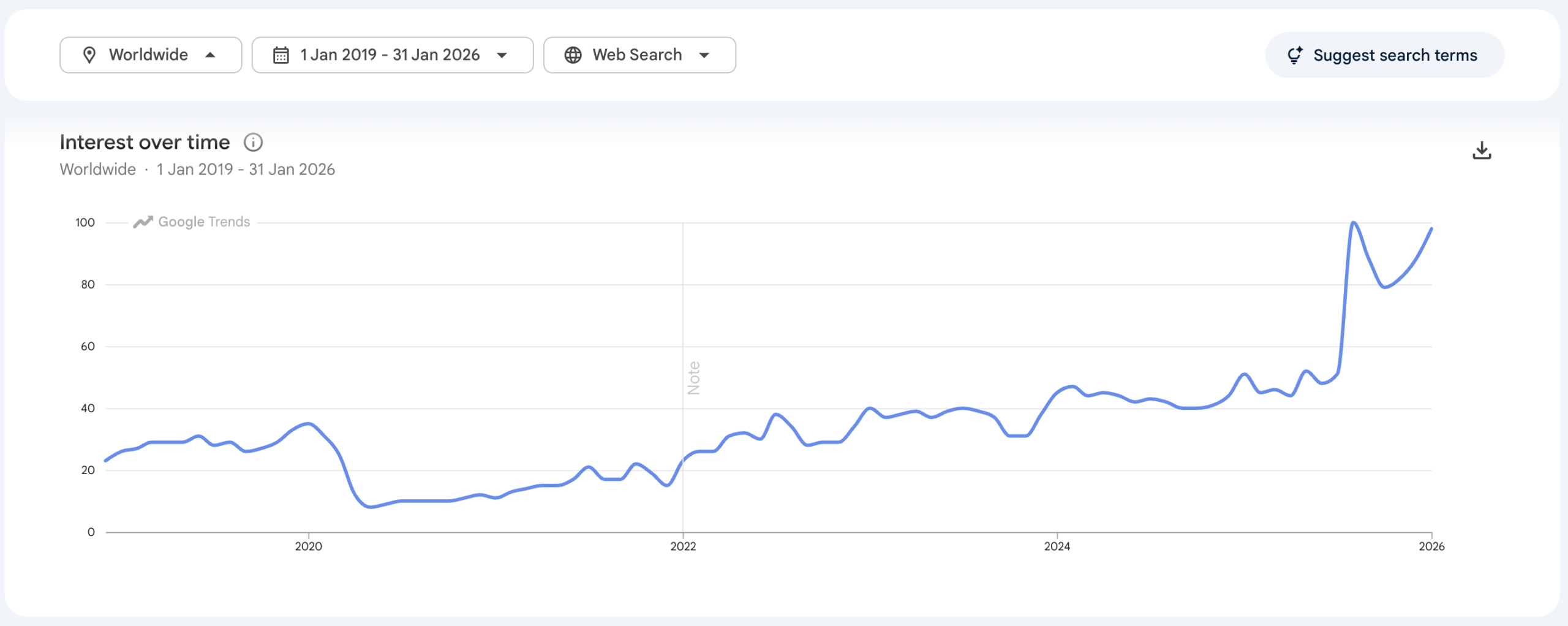
Searches for the term “solo female travel” increased 5 fold since before the pandemic, with interest doubling since the summer of 2025..
Solo female travel is not a new travel style; it has slowly been growing over the last decade and is becoming mainstream.
2. Women make most of the travel decisions
“Solo female travelers are becoming more predominant and contribute a lot financially to the travel industry so we need to be better appreciated and valued and catered to as a community.”
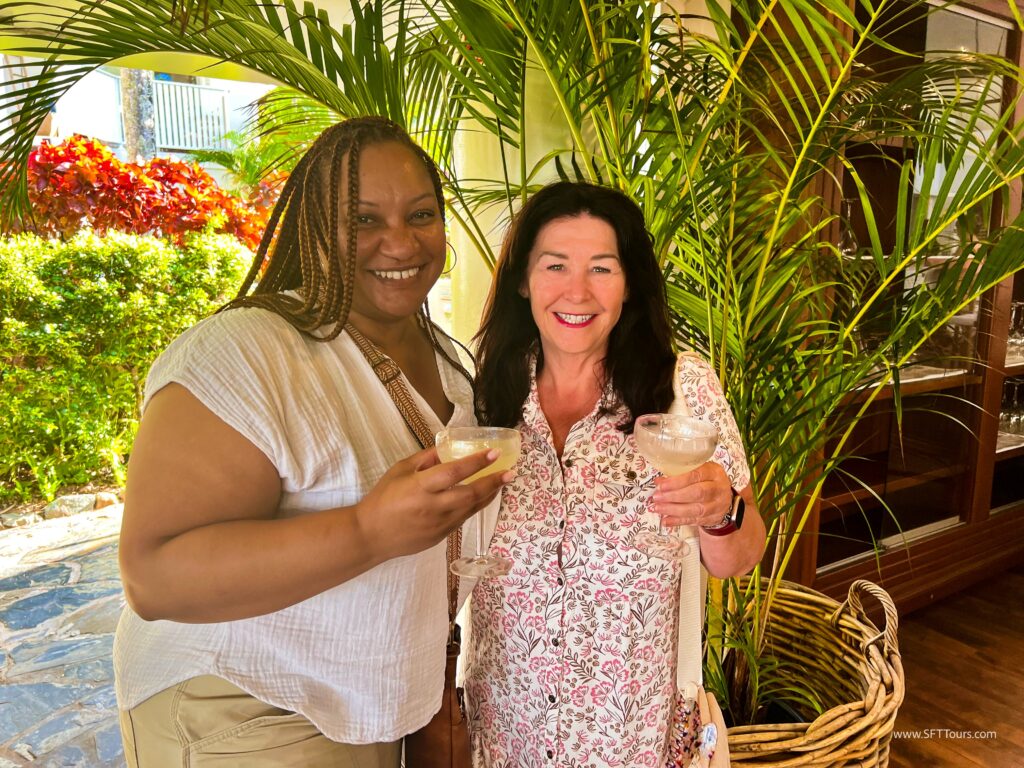
According to Skift, 82% of all travel decision are made by women and women are projected to control 75% of all discretionary income by 2028.
Women are the real travel influencers.
Building trust with women offers the opportunity to connect on a deeper level with the decision maker in travel beyond the solo trip.
A positive experience with a brand as a solo female traveler will open the doors to future bookings as a family, couple, group of friends or even for a business trip.
3. Women’s travel reality and needs are neglected
“Tailor products (tours, all-inclusives, hotel rooms, etc.) for adult female travelers, not just couples & families.”
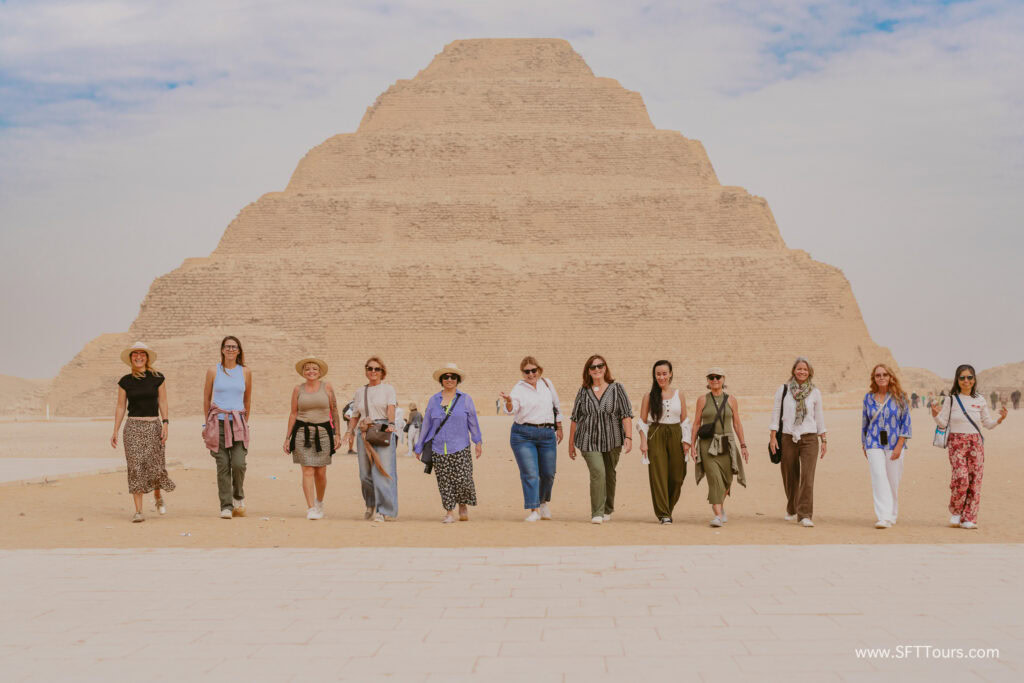
Women occupy the majority of jobs in the travel industry, yet they make up only a small percentage of the executive positions.
The experience female and non-binary travelers have when traveling solo is distinct from the experience of their male counterparts, as described in detail in this survey.
Most men have never faced, or even considered, the difficulties and worries that women have to constantly deal with when they are exploring the world solo.
If strategy, product design and offering is left to an overwhelmingly male majority who cannot relate to the the solo female traveler challenges, the segment will continue to be neglected, and underserved.
In communication campaigns, the travel narrative focuses on couples and families and does not speak to the solo traveler, let alone the solo female traveler.
“To advertise it as a ‘girls trip’ is demeaning. I would like solo female travelling to be unquestioned and to not make it such a big deal.”, says one of the survey respondents.
This presents an enormous opportunity for savvy brands and destinations to get to know us better and to offer products that understand our challenges, needs, and motivations.
Navigation: Summary of stats I Detailed stats | Get tailored reports I Previous year’s reports
B. Key Solo Female Travel Statistics
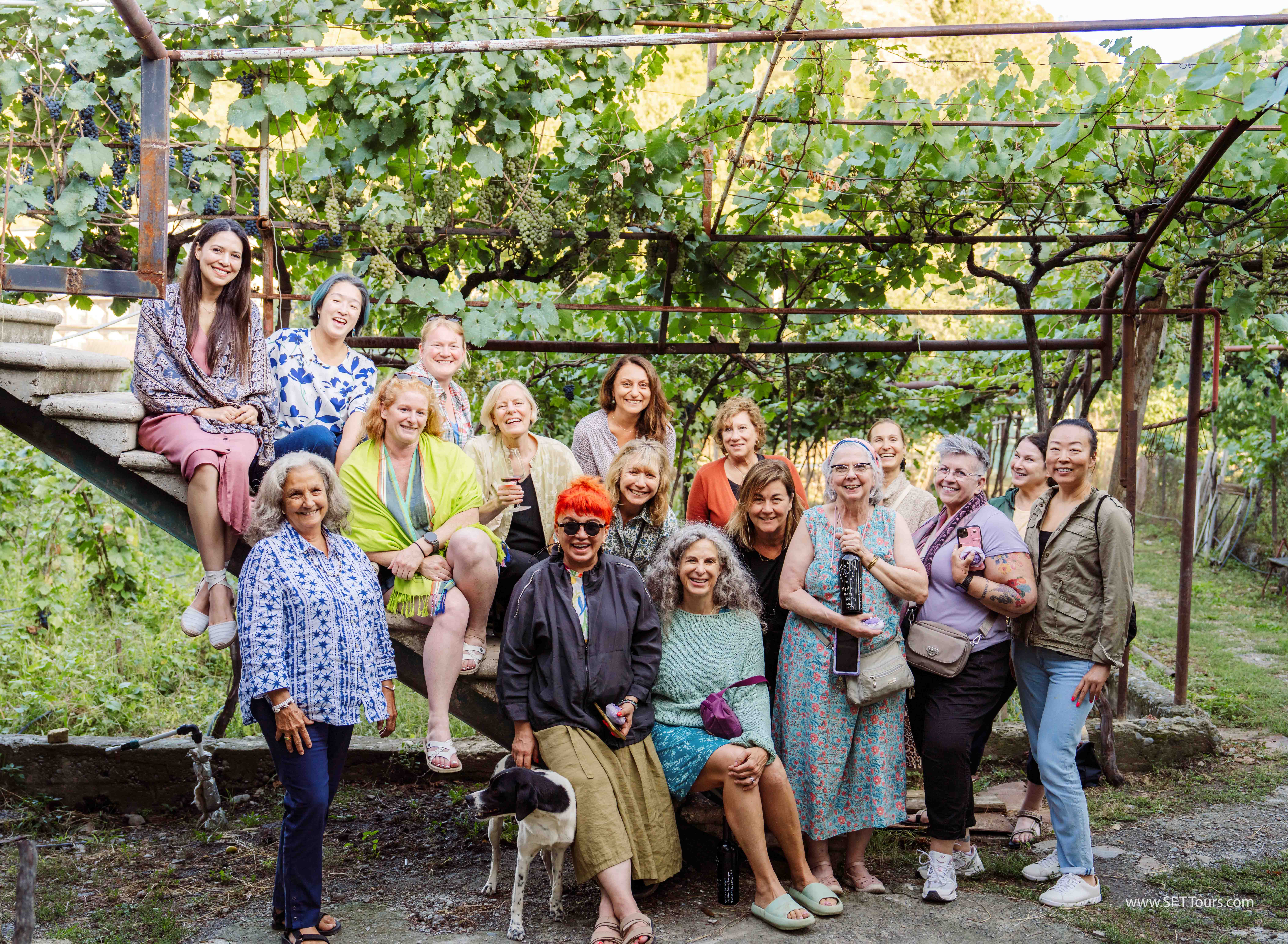
Below is a summary of the top-20 statistics from the 2026 Solo Female Travel Survey. In the next section you will find the detailed analysis.
Legend: Change from 2025 results
1. Solo female travel is a travel style, not a lifestyle: Only 20% of respondents are exclusive solo travelers, the majority (80%) also traveled with others in the last 12 months.
2. Interest in group travel is strong: 21% plan to travel on a women-only trip in 2026, 16% on a mixed-gender group trip and 9% on either. These figures keep increasing for the last 3 years in a row.
3. Women travel solo because they want to: The main reasons women travel solo are: 1) Freedom and flexibility (85% ), 2) Escape from routine and responsibilities (81% ), 3) Relax, self-care and enjoy me-time (76% ), 4) Challenge themselves (75% ). This ranking holds for all age groups and has remained stable since 2020. 58% of women travel solo because they have nobody to go with. Every year, fewer women are waiting for others to travel.
4. Women worry a lot when traveling solo: 1) Personal safety (68% ), 2) Higher costs vs splitting costs with a travel companion (68% ), 3) Something bad happening (36% ), 4) Language barriers (47% ), 5) Getting lost or feeling lonely (40% and 32% ). 23% worry about dining alone. These concerns are brought up year after year with minimal changes.
5. Barriers to starting solo traveling: Those who have never traveled on their own worry about safety (57% ) and about higher costs (73% ). 49% do not travel solo because they are worried about getting or having to book everything on their own (48% ). 15% would feel guilty leaving loved ones behind and 14% don’t travel solo because their husband or family are against it. 17% didn’t know solo travel was an option for them. 76% would be more likely to book a solo trip if joining a women-only tour.
6. Experience helps women feel safer: Safety worries decrease from 72% to 62% for those with more than 10 solo trips vis-a-vis those who have taken less than 5. Gen Z travelers worry more about safety (82%) than Boomers (59%).
7. Safety concerns are warranted: 16% of solo female travelers have feared for their safety in the last 12 months during a solo trip. 1% of the respondents did not manage to keep themselves safe.
8. Women protect themselves with safety devices: 18% of respondents carried self-defense items when they traveled in 2025, from guns (predominantly US domestic travel) and knives to key rings, pepper spray, door locks / alarms or whistles. Airtags are increasingly used as safety devices and a means for their loved ones to track them. 47% used anti-theft bags on their trips. The older the traveler, the higher their likelihood of using one (Boomers 59% vs. Gen Z 32% ).
9. Insurance: On their solo trips in 2025, 57% of respondents always bought travel insurance and 51% always bought medical insurance.
10. Your own country is your best first solo trip: 16% of respondents recommend one’s own country for a first solo trip. This result is consistent since the survey started.
11. Europe remains the Best international destination for a first solo trip: European countries (62% ) are the best destination for a first solo trip. The top countries are UK, Italy, Spain, Iceland and Ireland. The top-3 countries are the same year after year, while the last two vary among Portugal, Iceland, Ireland and Japan.
12. Women traveling solo trust recommendations likeminded women & loved ones: Advice from solo female travel Facebook groups (77% ) is equally as trusted as the advice from friends and family (78% ). Other sources of advice come from Online review sites (61% ), and Travel blogs (58% ).
13. Solo female travelers find some recommendations untrustworthy: TV (49% ) and Online ads (47%), Influencers (35% ), Online and print magazines (16% ). Government travel advisories are as trusted as not trusted.
14. Bucket list destinations: The most desired solo destinations are Japan, Iceland, Australia, Italy, Greece, and New Zealand. This ranking is unchanged from 2025.
15. Favorite city for a solo trip: London, Paris, New York, Rome, Barcelona & Tokyo top the list for a solo trip thanks to the cultural offers, the many things to do, relative safety and ease of getting around.
16. Women choose destinations based on their overall appeal: Cultural attractions (78% ), Beauty of a destination (70% ), the Local cuisine (64% ), Safety of the destination (62% ), Access to nature (58% ), Good weather (56% ), Friendliness of the locals (56% ), Value for money (50% ) and the Country’s reputation (53% ) are top decision factors. Availability of group tours is growing in importance from 22% to 31% in 2026.
17. Unimportant aspects when choosing a destination: Closeness to home (2%), Opportunities for Instagram shots (7% ), or good shopping opportunities (12% ), are not important in 2025.
18. The local connection is important: 66% actively tried to meet locals during their solo trips, 65% of solo female travelers used the services of a guide at least once. Boomers and Gen Z are the most keen generations to meet people.
20. Purchase decision factors: Price drives the decisions of 48% of women when choosing a travel provider but it is far less important than in previous years (48% vs. 56%). Beyond price, 36% of women traveling solo care about a travel provider’s eco-friendliness and care for the environment, 34% care about whether a business is locally owned, and 25% values its social responsibility. 21% of women value female-owned businesses. Travelers are more concerned than ever about the values and mission of a business.
Also on this page: Detailed statistics | Get tailored reports I How to better serve solo female travelers
C. Solo female travelers segments
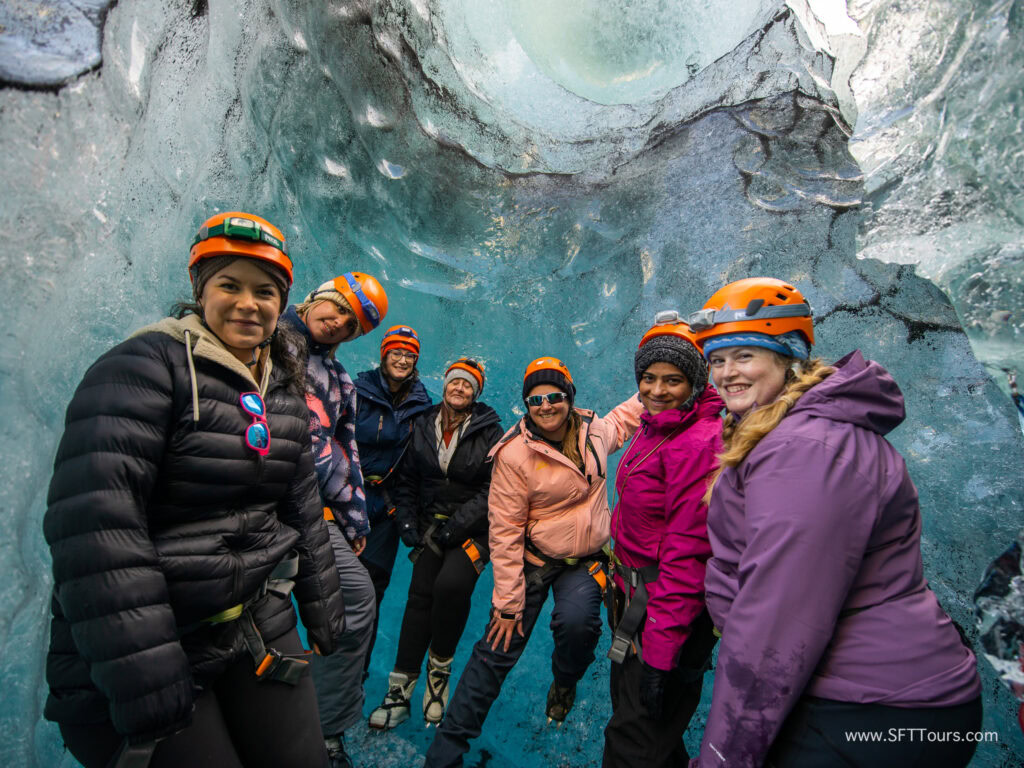
Women traveling solo are not a monolith.
Their needs and wants vary primarily by geography, ethnicity and age group.
“Being more inclusive of different perspectives. A lot of the travel industry in reference to solo female travelers caters to white women, it doesn’t take into account the various experiences of other races. For example, my experience as a black woman is not frequently discussed outside of other black female travelers. I need to know when it is safe, when to be aware of racism, are there signs or local words unique to that country to be aware of? What stigmas or stereotypes are currently present in the country in the way women who look like me are perceived. Add into that intersectionality of being queer and again there are unique things to be aware of and to look out for.”
The Solo female traveler cannot be described as one type of customer.
While there are common needs and wants as previously described, there are also distinct age, socio-demographic and geographic differences that need to be acknowledged.
Below is a summary of the main solo female traveler segments as understood from a generational perspective.
BOOMERS (61 to 81 YEARS OLD)
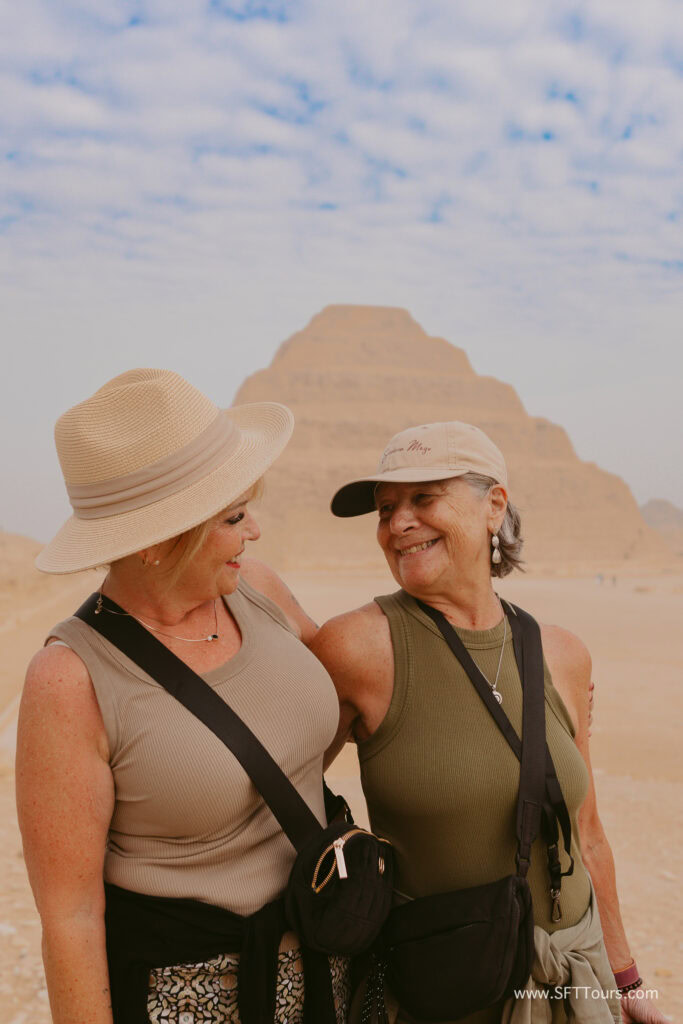
Care more about:
- Cost of not having a travel partner to share costs and the burden of planning with.
- Cultural value and beauty of a destination is most important when choosing a destination.
- Protecting themselves: They buy travel and health insurance the most, carry more safety tools, use anti-theft bags most often than any other age group.
- Not waiting on others, and traveling even if they don’t have someone to go with. Travel is not a means to escape day to day but to grow, learn and connect.
- Women-only group trips, 20% took one in 2025 and 21% are likely to book one again in 2026.
Care less about:
- Trends: iconic destinations, Instagrammable places.
- Safety, they worry less (59% vs 69%), find themselves in fewer dangerous situations, which may be down to age as well as experience (37% have taken more than 10 solo trips vs. 16% of Gen Z).
- Challenging themselves or self-improvement are not motivations to take a solo trip.
GEN X (46 TO 61 YEARS OLD)
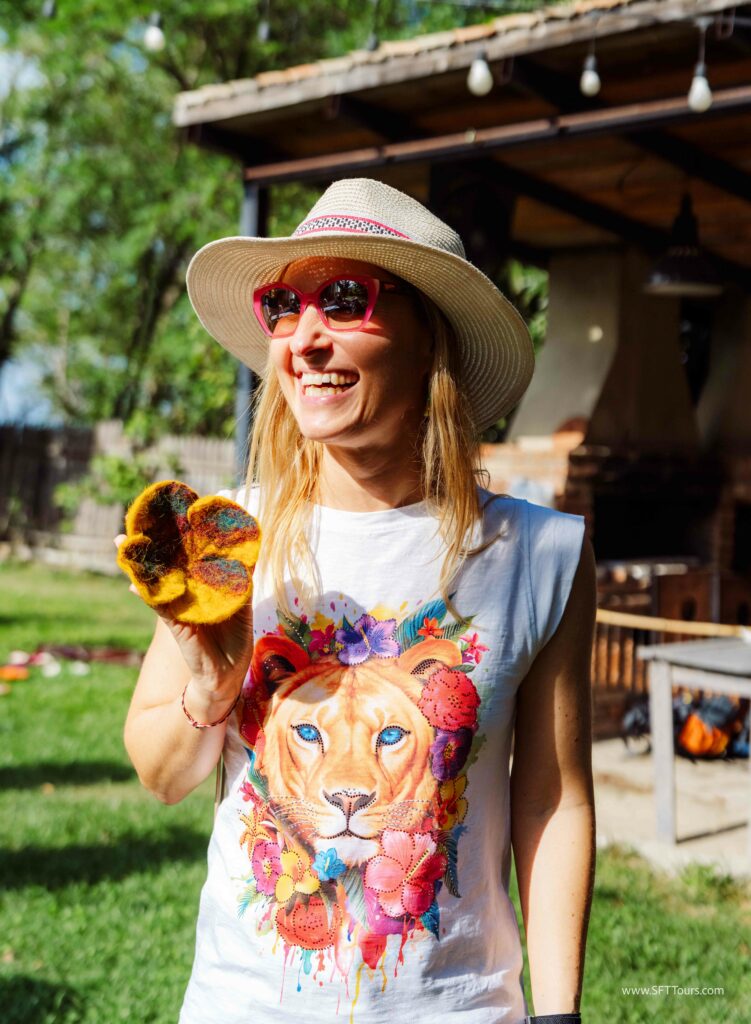
Care more about:
- Culture, nature and adventure activities are the driving factors when choosing a destination for a solo trip. Bucket list destinations are rich and active ones like Japan, Iceland and Greece.
- Protecting themselves: They buy more travel and health insurance, carry more safety tools, use anti-theft bags more often than the younger groups, but less than Boomers.
- Having a break. It is a means to reset, find peace & solitude, get away from the day to day responsibilities and relax.
- Group trips, both gendered and co-ed are increasingly appealing as a travel option. 46% went on one in 2025 and 44% will book one in 2026.
Care less about:
- The overall challenges of solo travel worry them less in general and they find themselves in fewer dangerous situations than younger travelers.
- Trends: Novelty, popular or iconic destinations are not appealing, Instagrammable spots, shopping or availability of small group trips don’t matter when picking a destination to visit.
- Deeper meanings: Travel is not a means for personal growth, to meet new people or as a last resource when nobody else wants to travel. For Gen X, travel is a vacation, a break from routine, a rush of adrenaline, a fun activity.
MILLENNIALS (31 to 45 YEARS OLD)
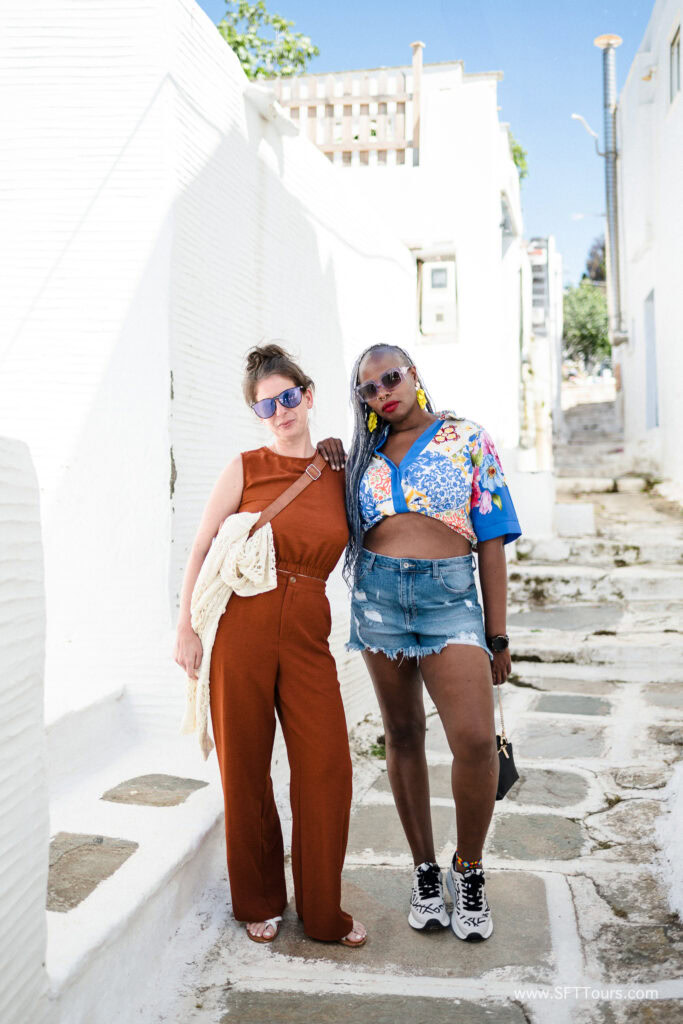
Care more about:
- They travel for food, nature and adventure. How instagrammable the destination is matters more than to older generations, but less than to Gen Z.
- Safety and something bad happening when traveling solo is a concern, although they don’t put measures in place to minimise risk.
- Care free travels: Less likely to buy travel and health insurance, use anti-theft bags and worry about any of the challenges of solo travel except for safety.
- Flexibility and personal growth are main motivators of solo travel. They view travel as a means for self-growth, to challenge themselves and to take a break.
Care less about:
- The overall challenges of solo travel worry them less and they find themselves in fewer dangerous situations than younger travelers.
- Connecting with the locals or how friendly they are is less important than for other age groups.
- Available small group trips doesn’t determine their choice of destination, but they are as likely to go on one as Gen X and Gen Z.
GEN Z (18* to 30 YEARS OLD)
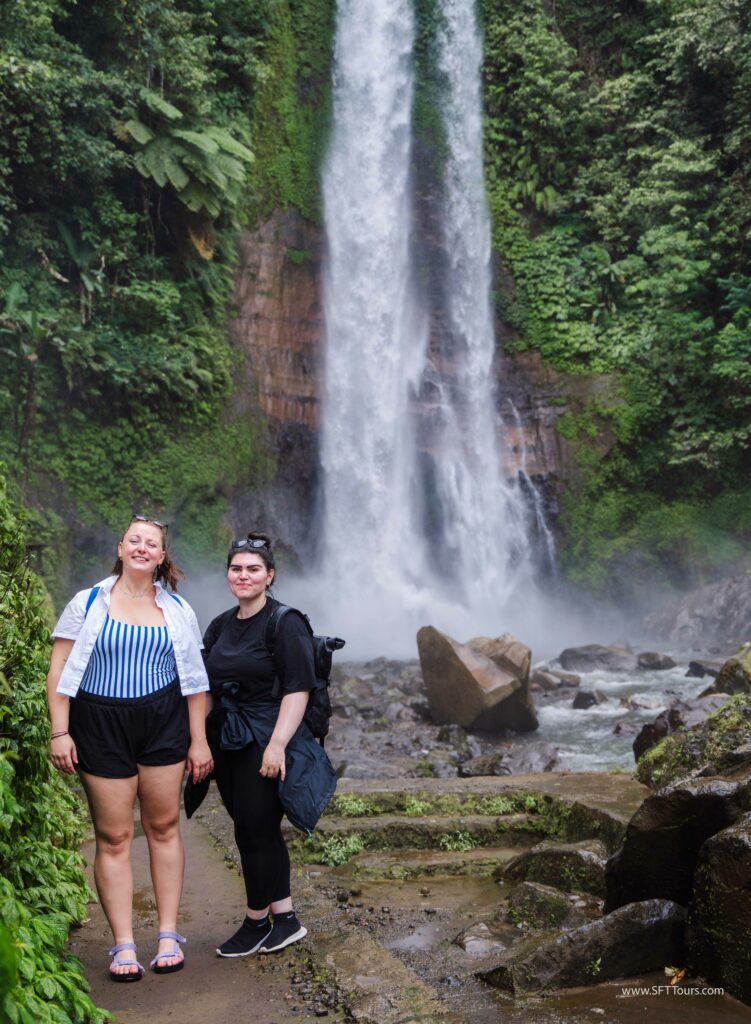
*Respondents had to be above the age of 18 to participate
Care more about:
- Solo travel is meaningful. It’s a challenge and self-growth opportunity, a chance to meet new people, to reset from a major life event, to be alone and to volunteer. They love the flexibility even more than other age group.
- Safety and something bad happening is a much higher concern than any other group. They are also more likely to find themselves in dangerous situations and being the victims of a crime.
- Others: What other people think, being judged, feeling lonely and eating alone.
- Popularity & adrenaline: They are more likely to choose iconic, instagrammable and popular destinations, adventure activities and nature. They also consider the tourism infrastructure.
- Care free travels: Less likely to buy travel and health insurance, use anti-theft bags and worry about any of the challenges of solo travel except for safety.
Care less about:
- Safety measures are implemented less often; they rarely use anti-theft bags, and are less likely to purchase travel and health insurance.
- Women only group trips are increasingly interesting over co-ed environments.
- The beauty of a destination.
Also on this page: Summary of stats I Detailed stats | Get tailored reports I Previous year’s reports
D. Women’s wish list and requests
Don’t use the phrase, “just one?”
We asked our survey respondents to tell us how the travel industry can support them and the pain points were consistent with the previous 5 years.
With solo travel on the rise and women at the forefront of this trend, travel companies who capture this opportunity early, by focusing on the needs and wants of this segment and their pain points, will unlock the next big opportunity in travel.
1. Feel & be safer
“Common sense stuff that still happens at hotels – Don’t say hotel room numbers out loud, don’t put solo female travelers at the very end of long hallways in hotels, don’t act shocked when a woman requests a table for one at a restaurant, etc.”
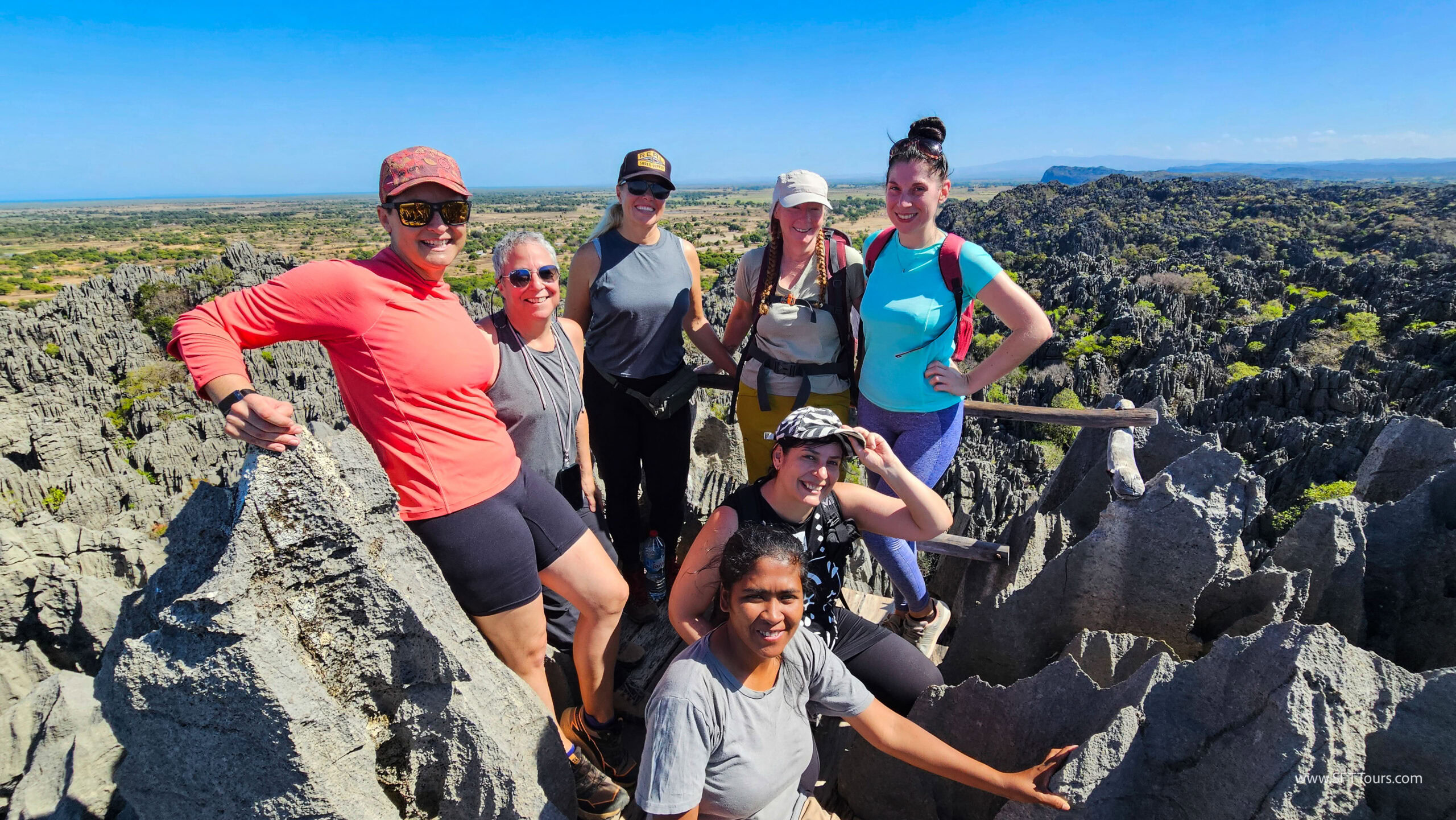
The data point: 16% wants and expects the travel industry to help them stay safer when traveling solo.
Solo female travel safety is a complex, multi-dimensional topic.
It starts with accurate data on the actual risks of a destination (eg. petty theft vs. violent crime) with tools such as our Solo Female Travel Safety Index or our Safety Tips.
It continues with on the ground support from hospitality staff who can provide accurate advice tailored to women’s needs without gaslighting or sugarcoating reality.
Lastly, it requires institutional support.
2. The solo AND female tax is frustrating, they want discounts
“Get rid of single supplements. I can’t afford them but I also can’t sleep in the same room as a stranger. This makes it very difficult to travel.”
“Not blocking excursions for bookings with at least 2 persons; this leads to solo travelers having to wait when at least 1 other group books it”
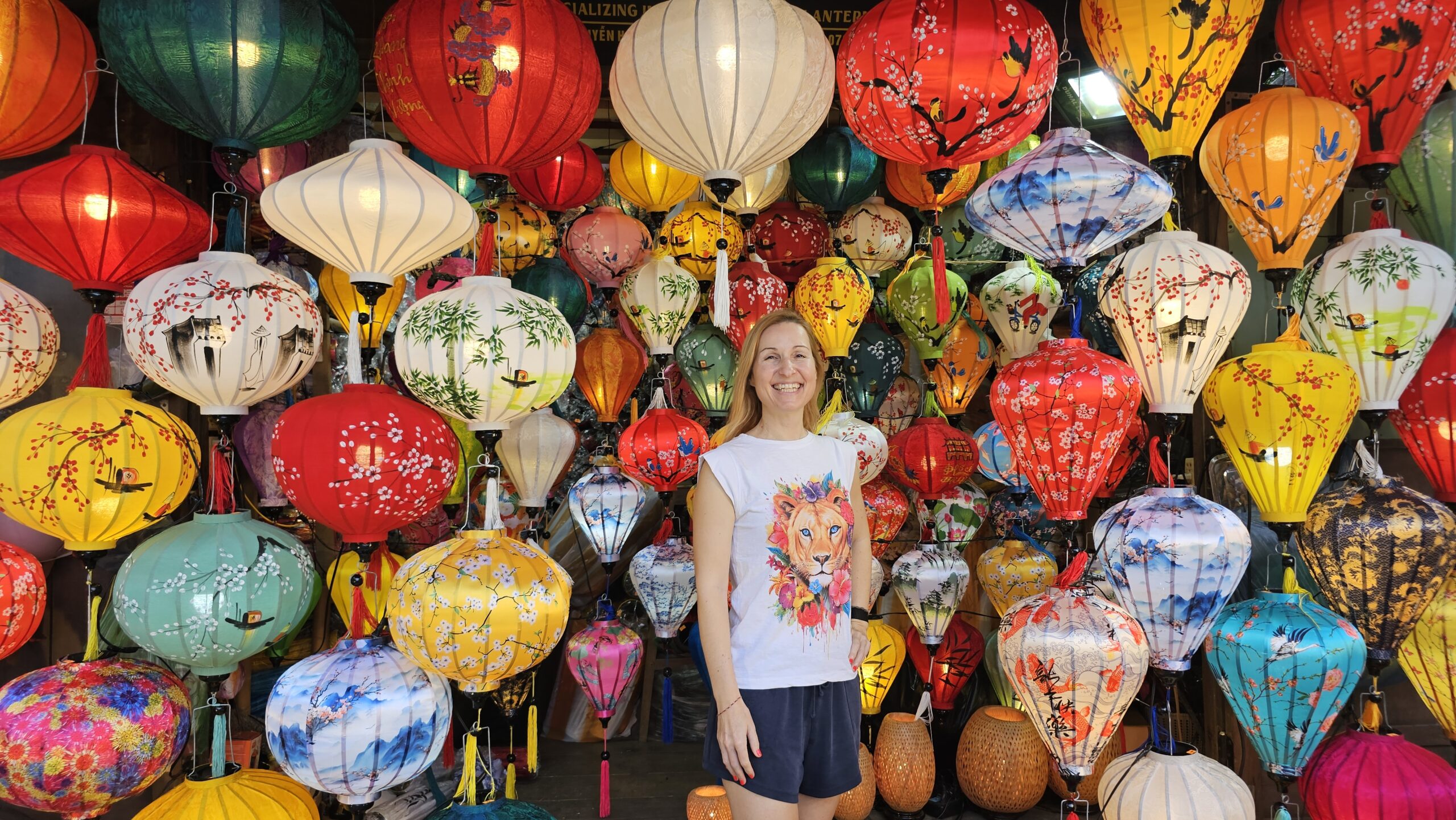
The data point: 32% wants the travel industry to stop charging more for solo travelers than couples. This is a huge increase from previous years and infuriating to many solo travelers.
The solo tax is the bane of solo travelers and manifests in many ways:
- Single supplements charged when a person is booking a tour for 1 instead of 2. This stems from higher room / cabin costs when not having someone to share with, in addition to the revenue loss from not filling that spot on limited availability products like cruises. We price all our group tours on a per person basis and pair travelers so they can share. “Traveling alone shouldn’t come with a financial penalty, especially when so many women are choosing to explore the world on their own.”
- Day tours and activities having a minimum of 2 travelers to go ahead and forcing solo travelers to pay for two people or wait until someone else books. “Be more inclusive of solo travelers. There have been a few experiences I’ve wanted to do but there is a minimum of two people needed in each party to purchase a ticket. I’m happy to pay a single supplement just to be able to do something I’m interested in.”
- Women-only hostel rooms being priced higher than mixed dorms, “Having female only rows/sections on long haul flights, and on overnight buses/trains – at no additional cost.”. Or women only taxis or train carriages costing more than the mixed options.
- Restaurants not allowing bookings for 1 person, or placing solo diners in worse off locations (by the kitchen, in a corner, behind a column) or at the bar. This is consistently brought up in our online community.
Instead of paying more, solo female travelers want specific offers for them.
- Solo rooms or cabins: Smaller, more basic rooms at hotels and cruises designed for solo travelers at discounted rates.
- Shared tables at restaurants, earlier times for solo diners, options to pair solo travelers open to connections, solo events, dining options catering to solo diners (eg. like Ramen houses in Japan), hotels hosting events for solo guests, etc.
- Ways to connect with other travelers locally to share costs or activities and get around the minimum 2 people requirement.
3. From niche to mainstream; it’s time to stop stigmatising
“Solo female travelers are becoming more predominant and contribute a lot financially to the travel industry so we need to be better appreciated and valued and catered to as a community.”
“Normalizing solo female travel in advertisements, print media, or articles.”
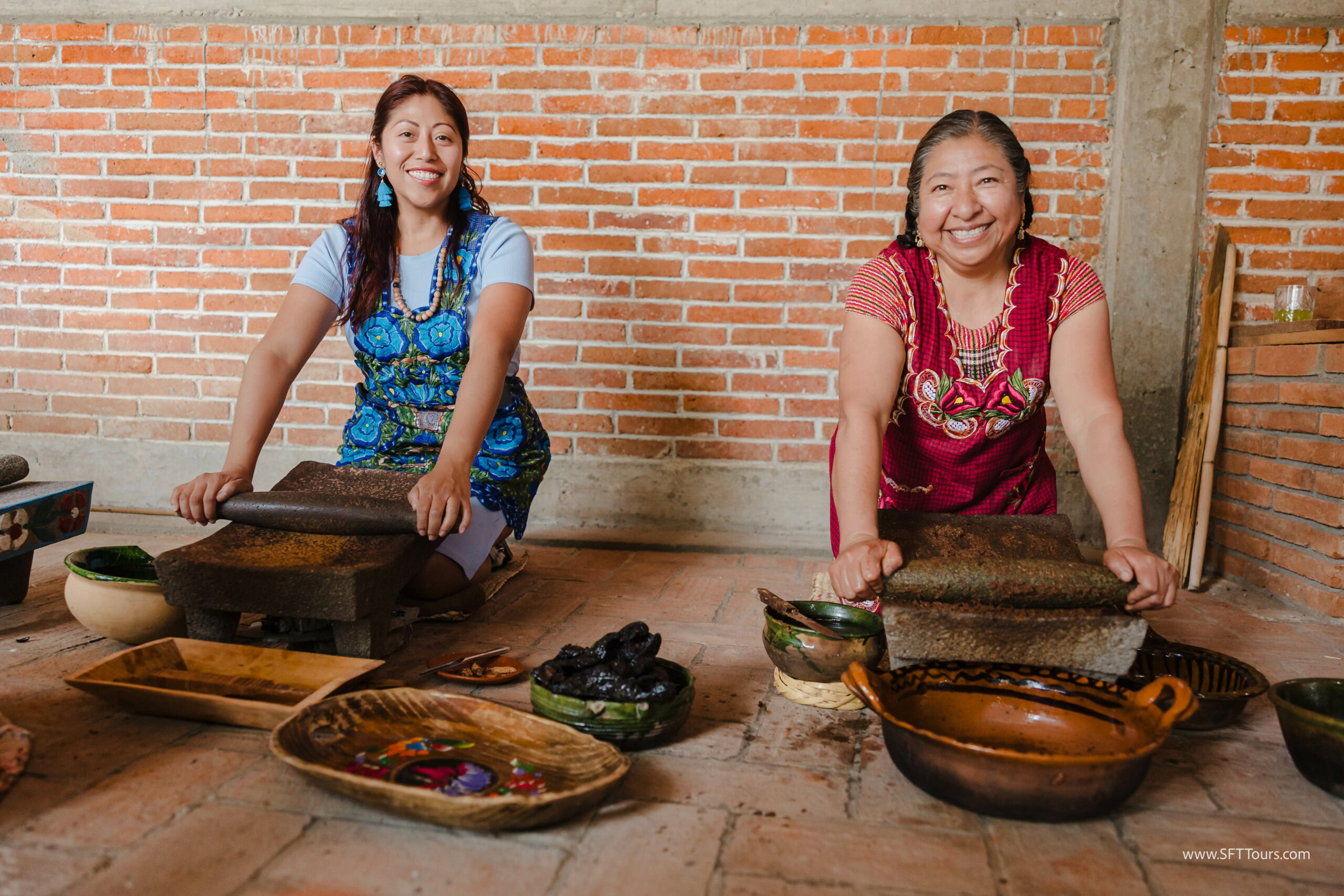
The data point: 13% asks for solo travel to be normalised and de-stigmatised. At the same time, they also want for the travel industry to encourage it more, beyond stereotypes, making it more visible to women from all walks of life. This is an increasingly important pain point.
Solo travel is not niche, it is mainstream, and travel industry marketing materials need to catch up with this reality and start showing realistic solo travelers as much as they show couples and families.
The profile of a women traveling solo is not monolithic, and their needs vary, especially by age group. Products and marketing materials should adapt.
Women travel solo at all ages; solo female travelers are no longer best represented as the young, carefree, backpacker from the West, they are also the older retiree with time and resources, the professional career woman with children, and the adventurer who is taking a break to do what she loves best.
4. Women want female spaces
“More female guides. Sometimes I find it hard to find a female guide somewhere, and I don’t always want a male guide, so uplifting women guides would be very helpful.”
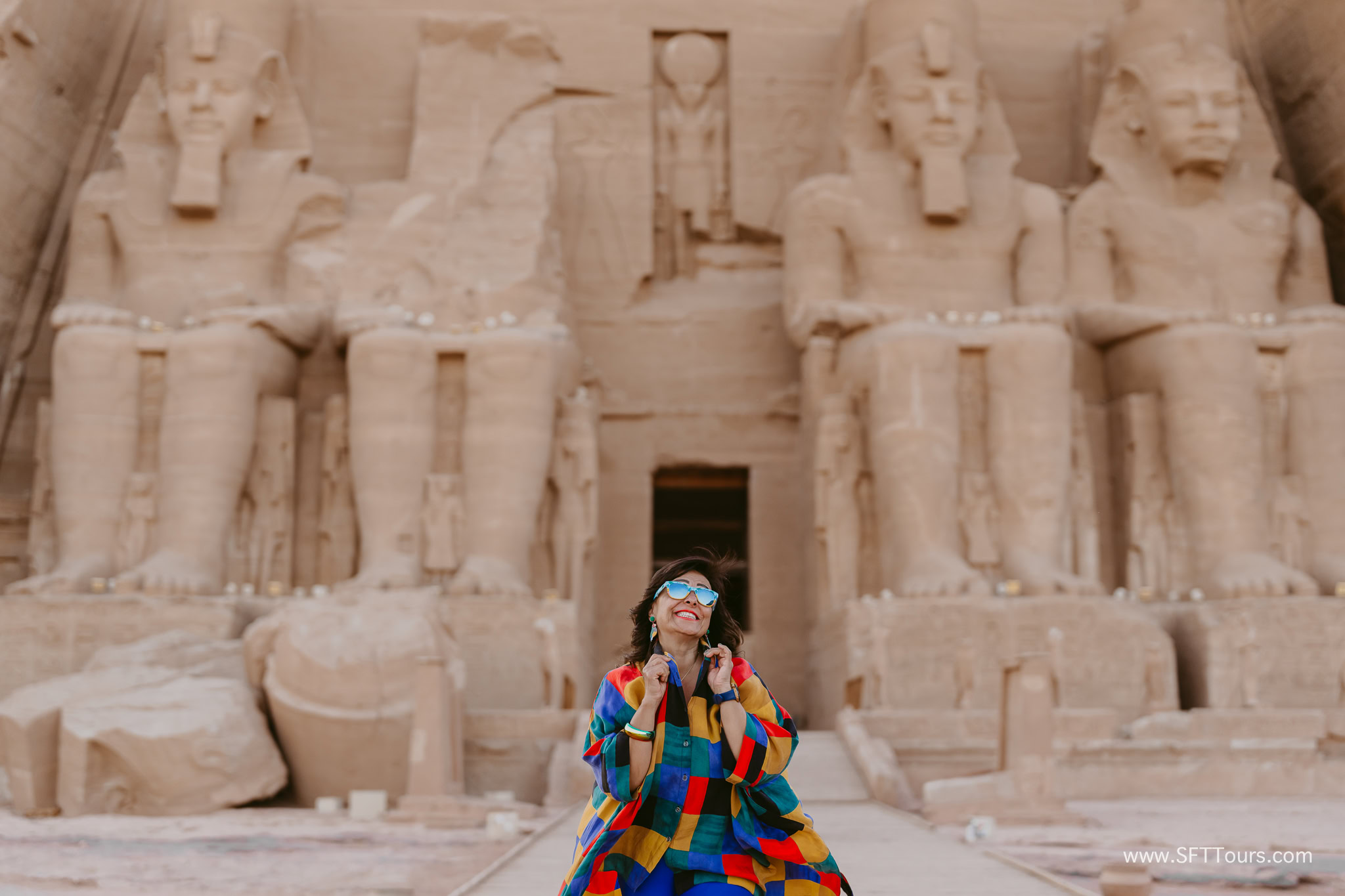
The data point: 8% would like more women-only travel offers / products / services and spaces as well as ways to find them. They want to support female led business, and feel safer with a female guide, driver, etc.
Just like products that are designed for families and couples, women traveling solo have their own needs and wants and should be offered matching products designed by experts who understand them.
“Design hotel rooms more for woman’s needs in mind like bathroom counter space, lit and magnified mirrors, etc.”
It also includes treating solo travelers, men and women, as “less than” and lower value customers that can be provided a sub-par experience. As one respondent puts it,
“Sometimes it feels like a barrier to eat out and you can get pushed to bad tables in restaurants or made to wait longer for a table.”
We are the future, and brands need to start realising that.
5. Train hospitality staff to be aware and support solo female travelers
Pointing out the fact that a woman is traveling without a companion is not only putting her in an uncomfortable situation, but also ignoring the risk to her safety this presents when others around her can also hear it.
Businesses should train staff to pick up on the cues and be aware of the situation to provide adequate advice that adapts to women’s needs. For example:
- Avoid language or behavior that could unintentionally make women travelers uncomfortable, like “Just you?” or “Is your husband joining you?”.
- How to spot solo female travelers in distress and offer sensitive help, for example women being harassed at a bar or receiving unwanted attention ordering an angel shot.
- Take note of details that could put female travelers in danger such as announcing their room number out loud at check in or at the breakfast room.
- Assigning rooms that are safer, such as those without direct window or door access to the street on a lower floor, or far away from emergency exits.
- Provide solo women travelers specific advice such as safe / unsafe areas, the hotel’s telephone number in case of emergency, recommendations for getting around, common local scams or safety tips. Recognize common gaslighting of guests, with comments such as “Of course, our neighbourhood is safe” or “[City name} is as dangerous as any other city”. Women travelers need realistic and objective advice.
- Know how to deal with sensitive situations such as what to do if a guest reports an incident with a member of the staff, if a staff member asks for her number or adds her on social media, offers special treatment like free drinks or food or shows up to her room unannounced.
E. Who participated in the Solo Female Travel Survey
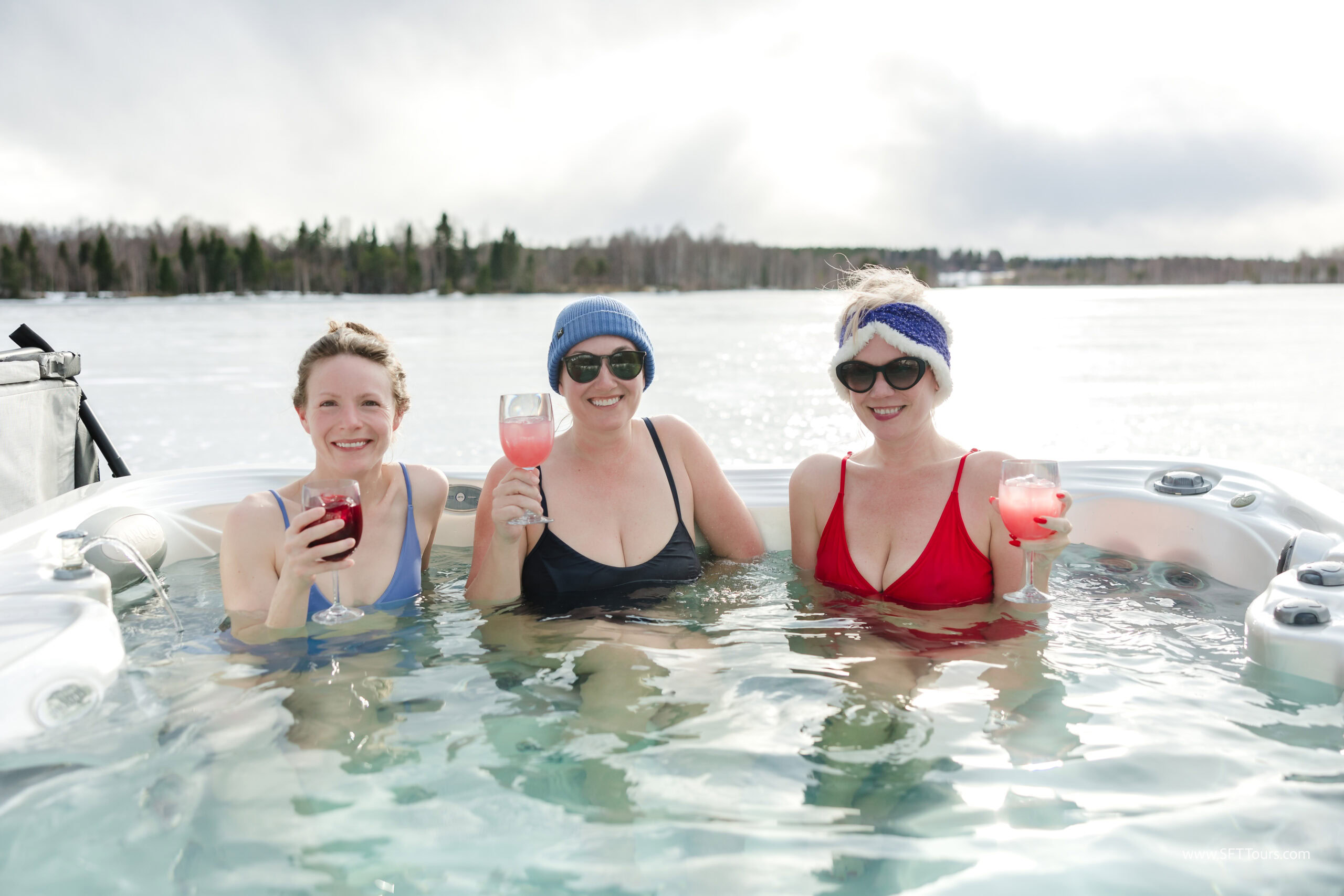
Respondents were split between women who had traveled solo (approximately 2,000 responses) and those who had not traveled solo yet (approximately 800 responses), and each were asked to fill a unique list of questions, with the objective to:
- Provide the travel industry with accurate, updated and detailed solo travel insights, specifically of the needs, preferences, behaviors and challenges of solo female travelers;
- Shed more light into the attitudes of solo female travelers across the world, globally and by region, age group and experience solo traveling, towards marketing efforts, travel providers and destinations.
- Understand the travel preferences of solo female travelers and help the travel industry make data-based decisions on product launches, product details and pricing with solo travel statistics and facts.
Respondents were distributed by age groups from 18 to 88 years old and came from over 90 countries.
Previous years’ reports
Read the previous annual reports here:
- The 2021 Solo Female Travel Survey results here.
- The 2022 Solo Female Travel Survey results here.
- The 2023 Solo Female Travel Survey results here.
- The 2024 Solo Female Travel Survey results here.
- The 2025 Solo Female Travel Survey results here.
Copyright Notice & Disclaimer
Solo Female Travel Trends is a publication of Solo Female Travelers. Reproduction of this page / report without express permission is not allowed, except in the case of brief quotation. To quote or reference the survey results, it must be accompanied by a link back to this page as the original source.
This article contains information about Solo Female Travel. The information is not advice, and should not be treated as such. There are no representations or warranties, express or implied, about the completeness, accuracy, reliability, suitability, or availability with respect to the information provided. We do not represent, warrant, undertake or guarantee that the use of guidance in the report will lead to any particular outcome or result. The authors do not assume and hereby disclaims any liability to any party for any loss, damage, or disruption due to use (or misuse) of information, conclusions and insights.