In this episode of the Solo Female Travelers Podcast, Mar is joined by Dr. Vincie Ho, founder and Executive Director of RISE Travel Institute, for a thought-provoking conversation about what it really means to decolonize travel. Together, they explore how colonialism continues to shape the way we travel today, from the maps we use and the passports we carry to the language we choose, the experiences we seek, and the impact our travels have on local communities.
The discussion covers topics such as voluntourism, overtourism, cultural appropriation, community-led tourism, traveler privilege, and the importance of reciprocity when visiting another place. Mar and Vincie also share practical examples of how travelers can make more thoughtful decisions, support local communities more intentionally, and challenge long-held assumptions without feeling guilty or striving for perfection.
Whether you’re planning your next adventure or simply want to become a more conscious traveler, this episode offers practical insights that will help you travel with greater awareness, respect, and purpose.
Resources mentioned in the episode:
- Rise Travel Institute website
- Rise Travel Institute Decolonising travel ebook
- Rise Travel Institute programs
Discount for the Solo Female Travelers community
Get $50 OFF by enrolling in The Rise Travelers Pathway Level 1 foundational course with discount code SFTCommunity. If you use this specific link to enrol in the discount code will already be applied.
About Vincie:
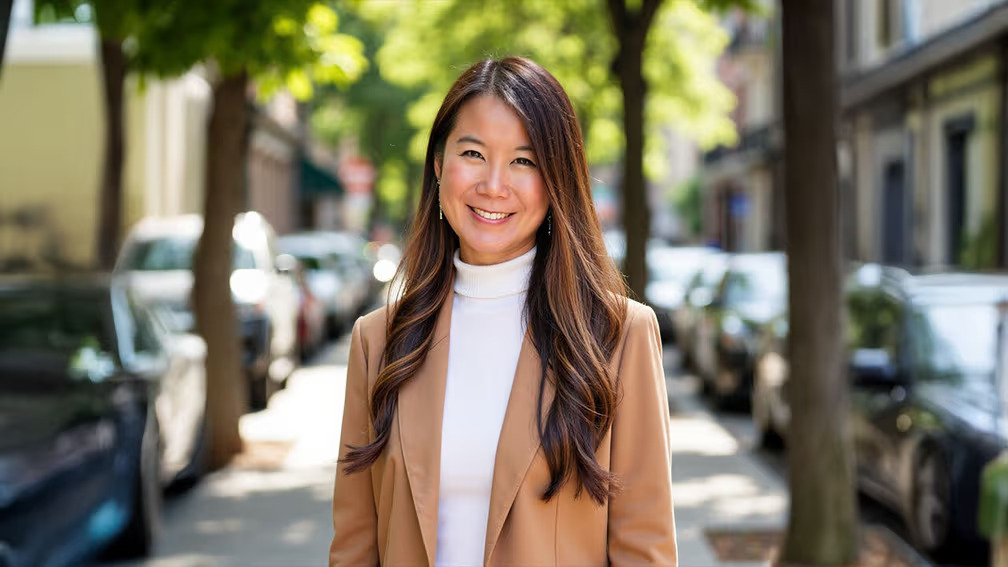
Vincie Ho, Ph.D. (she/her) is the Founder and Executive Director of RISE Travel Institute, an award-winning 501(c)3 nonprofit with a mission to create a more just and equitable world through travel education. She also serves as a faculty member at Antioch University, teaching human rights for their graduate programs in humane education.
A disruptor, nonprofit leader, seasoned educator and woman immigrant of color with a hearing disability, Vincie is dedicated to driving systems change and fostering a community of conscious travelers through creating space for critical and intersectional conversations on social, animal and environmental justices in travel and beyond. Vincie has been featured in the New York Times for her insights on sustainable travel. In recognition of her impactful work, she was nominated by industry peers and honored on TravelPulse’s prestigious List of Most Influential Women in Travel for 2024.
Brought to you by…
The Solo Female Travelers Podcast is sponsored by Solo Female Travelers Tours, our small, luxury, women-only tours that support female owned businesses around the world. Join us on a trip of a lifetime that helps make the travel industry more equitable.







Transcript:
Mar: Hello and welcome to the Solo Female Travelers Podcast. My name is Mar Pages and today I am excited to be joined by Dr. Vincie Ho, who, among many roles, and she has many, is the founder and executive director of RISE Travel Institute, a nonprofit working to create a more just and equitable world through travel education. And today we’re going to talk a lot about this.
Vincie is a mission driven educator and social change leader whose work brings together sustainability, systems thinking, intercultural studies, decolonial theories, diversity, equity, inclusion, and justice, human rights, and nonprofit leadership. She’s a faculty member at Antioch University in New England, where she teaches human rights in graduate education programs. And as most of you listening to our podcast know, Solo Female Travelers was created with a social impact mission in mind, and a huge part of everything that we do is supporting local, female-owned, and female-led businesses around the world. We also do our very best to be sustainable, ethical, and thoughtful as a travel company and are constantly challenging the way we do things, the way we behave, the way we interact with places, the partners that we connect with, the way we describe our trips, even the way we speak in person and online about our trips and our work. And in one of my very recent newsletters, I decided to talk about the topic of decolonizing travel. And this is how I came across Vincie’s work.
She and her team at the RISE Travel Institute have put together one of the most thought-provoking documents on neocolonialism and the impact that this ever-present mentality has on the global south. And we will link to this in the episode notes. And today she will also tell us about a new course that they have just launched that is precisely addressing this and helping travelers be more thoughtful, more mindful. I haven’t done the course yet, but when I was reading the manual, I realized how much of this mentality still lives and thrives today in the world that we use, and especially also the way we travel and interact with the world and even the way we describe it. And I see it in the group every single week, you know, all the conversations that are being had. Then after reading the manual, I found myself seeing examples everywhere, and suddenly everything made sense. And I see it in social media, I see it in the communication from travel companies, in the brochures, and it’s so ingrained in the way we think about the world that it’s almost impossible to challenge it.
Even myself trying to make an effort every single day, I make so many mistakes. I say things that I shouldn’t, and then I realize and I regret. So today with Vince’s Insights and Expertise, we will be talking precisely about all of this, how to decolonize travel in our minds. And we will start by understanding what it actually means, because this is a word that’s sometimes not clear and not everybody may see it the same way.
We will talk about why it matters and how everyday travelers can make more thoughtful choices without feeling like they have to be perfect, because this is also very important. Every little bit helps, even if you just think about it a little bit and you try to make an effort every time. That’s I think enough. So we will discuss real examples from travel situations that I’m sure you have found yourself in, and I have found myself in these situations, they will show you how ingrained this colonial mentality is.
And how it has been so socialized in the way that we were brought up that we don’t even think about it. So hi Vincie how are you today?
Vincie: I’m doing very well. Thank you so much more for having me. I’m so excited about today’s conversation. We got so much to cover.
Mar: We have a lot to talk about. I know that this is already our second attempt at recording and we’ve already talked so much behind the scenes that I feel like yeah, let’s get into it. But before we get into the deeper questions, I would love to start with your origin story so that people understand a little bit more about your background and how your work eventually led you to education, human rights and also to the foundation of the RISE Travel Institute.
Vincie: Sure. Where should I begin? So yeah, every time someone asks me this question, okay, so let’s say my previous career, my previous life was in Hong Kong where I worked as a full-time French lecturer at the university. Obviously, that path led to a study abroad experience that I had like before.
Before then I was in France and you know just got me interested in teaching French as a foreign language. And so fast forward to like ten years or twelve years into that career, I started to ask myself like, mm, how can I really put my expertise into better use where I can actually help uplift like communities and instead of just like talking about wine and cheese, you know, with my students who’s gonna who are gonna like work in the like luxurious like haute couture of industry. I just really wanted to get into the humanitarian side of things and wanted to contribute in a more humane way, let’s say. So I started to explore what I could do outside of teaching the language.
And back in 2010, I quit my job. It was like a it was let’s say that job was something that I could die, you know, working and like you know, just spend the rest of my life in, having a pretty privileged life, like not having to worry anything, but I chose to quit because I just really wanted to go see the world and I wanted to see like how I how I can put my French and my language that can create greater contribution to the humankind. So I found an internship opportunity in Senegal that allowed me to work with refugees and asylum seekers from East Africa. And I worked with a very small grassroots organization back then and it just you know it opened my eyes and I was just, you know, I just loved every bit of that experience. And then I just decided that okay, I want to seek like I wanted to seek other experiences as well. So I signed up for another program in Rwanda that actually taught me all the things that we shouldn’t be doing nowadays. So I think that like looking back retrospectively, that was a great experience because it really, you know, it really made me start to think more deeply about you know, when we think that we’re contributing to the world like, you know, by participating in volunteering experiences, you may think that you are helping, but even with the best of intentions, you can still cause harm to society that you that you are hoping to help, right? And so we can leave the topic to like later of this conversation. But what I realized is that despite my best of intentions, I wasn’t actually helping the children that I was supposed to help and I was actually causing more harm. You know, my presence was creating more harm than good for the community that I was supposed to serve. So I came home and started to think a lot more deeply about what is this all about? You know, like traveling far away to do something that you thought was positive. And so just like really revisit like all of my intentions and also like the way I did things. And I just really thought that I was being helpful. And so like with all the learnings I I thought that I would put together a curriculum, so that I can share my learnings and what I unlearned as well like throughout the process of traveling around the world and what are things like like you said we all make mistakes and I made I certainly made a lot of mistakes in the past as I when I traveled I rode an elephant and I watched dolphin performances in aquarium. I took children’s pictures and posted them on social media and I did all of those things. Like now when I look back I cringe at all the terrible mistakes that I made. But then I just wanted to turn that into something positive, being able to reflect upon all those mistakes and think about how we can travel more thoughtfully and more respectfully and more impactfully, you know, when we travel in the future. So came up with this idea of like building a curriculum since I quit my last job I went to the United Nations University, took like some courses on international peace and human rights and then I was with the Institute of Humane Education that actually the course or the graduate program at Institute for Humane Education was really pivotal in the founding of RISE Travel Institute because the concept of RISE Travel Institute as nonprofit, like offering travel education, was my capstone project for graduation. And, just like putting together like decolonial thinking, system thinking, regenerative thinking into like you know a curriculum for travelers and also for tourism professionals so that we can think more critically about our impacts on the places we visit and not just the places we visit but at the macro level the planet as well like every time we we hop on a plane if you take a long haul flight, the carbon emission of that one way trip can be the total amount of carbon emissions of a family in a country in the global south, right? Just like really put that into perspective. And so what we’re doing at RISE right now is that we want to help people understand more their relationship to travel, how they understand travel and their place, their role in tourism and when they go to someone else’s homes, like what kind of mindset are we bringing with us? how can we behave and make travel choices in ways that actually benefits the communities and also actions and behaviors that are reciprocal, not just extractive. Because oftentimes when we think about where to go and you know what to do and where to travel to, we think about what’s in it for ourselves, right, as the traveler.
Mar: Yeah, it’s a one way conversation.
Vincie: I want to go to Spain because I want to spend my holiday there because XYZ, you know, like what I can get from the experience. We don’t think about what is our impact on the local communities and what we can do to kind of minimize the harmful impact and maximize the benefits that we bring into the places that host us. So these are all the conversations that we want to support travelers to think more about. And that’s what we do at RISE Travel Institute.
Mar: Yes. And today you’ve mentioned quite a few of the topics that we’re gonna try to make them a bit more tangible for people. And you know, the idea of today’s conversation is not to tell people what to do, it’s more to provide food for thought if you want, like to make people realize that, you know, this that you have been doing for so long, that’s so ingrained, so institutionalized, because the travel companies and the destinations will tell you to do that, will promote certain things that are just not great thoughtful, mindful, ethical, responsible point of view. So it’s just about bringing a little bit of awareness to that so that we don’t do them or we do them in a different way. I think that as you were talking, I was thinking of a very simple analogy. It’s like when you go to your friend’s house, right? When you go to your friend’s house, you treat their home with respect. You are mindful, you’re respectful, you don’t litter, you don’t go around taking things, you don’t go around taking photos and posting them online. It’s a little bit the same when you visit another country, right? It’s like you’re going to your friend’s house.
Vincie: yeah, we actually do have that analogy in our new programme. Exactly.
Mar: There you go. Great minds think alike. So let’s start with talking about the topic itself. Like can you please for people to understand better, can you define the concept of decolonizing travel and you know, what does this very academic, intimidating and sometimes like big word means in very plain layman terms for people to understand?
Vincie: One hundred percent. So I think decolonizing travel is really about recognizing something that most of us don’t think about when we’re booking flights or when we are planning a trip, that the world that we live in or travel around in today was fundamentally shaped by colonialism. So like the political structures, the economic systems, the social hierarchies, and like the very fact that things are expensive here in this country and like less expensive in another country, you know.
All of it. the fact that some of us can move around the world freely, whereas others can’t. There are passports that are really powerful, like you don’t need. I mean you can travel with those passports like everywhere visa free, whereas for someone with a weaker passport, then they may need to apply for a visa almost everywhere they go. Applying for a visa doesn’t guarantee you getting the visa. You know, sometimes your application may be denied even after spending a lot of money and like all of your plans will be kind of disrupted just because there are these things that are completely out of control, right? And so the fact that some of us can move around the world freely and others cannot, if this is not an accident.
Right. It is directly tied to the history of colonial power. And colonialism doesn’t just end in the twentieth century when the majority of colonized territories gain independence because its legacy is still pretty much alive, right? There are still questions of land sovereignty for indigenous peoples and in criminal justice systems that disproportionately target racialized communities and there are structuring inequalities that exist in our own societies and also in every place we travel to and those are pretty much shaped by colonialism. And another thing that we need to understand is that colonialism is extractive by design. You go somewhere, you conquer that place, you oppress the local people, you take their resources.
And now when you honestly look at how modern tourism operates, who holds power, who profits, who gets this place, and you start to see some very like deeply uncomfortable similarities or parallels between colonialism, like the historical settlers colonialism, and the neo colonialism, which is this new form of like extractive practice that we’re mimicking everywhere we go to.
So to decolonize our travels is really just to become critically aware of how we participate in that global tourism system. And in other words, it means to ask who actually benefits from tourism. Is it just the travelers? Is it the travel companies? Is it the local communities? Who is harmed by it? Right. And who benefits from my trip? beyond just me and who might be exploited or oppressed because of my desire to travel, even though you may not want to hurt anyone in the first place. Right. And so our mentalities, our behaviors, our choices, they all have a real impact on people, animals and ecosystems. Right. So decolonizing travel is really just about decentering ourselves. That when we talk when we think about travel, it’s like it’s always like me, me, me, me, me.
Mar: Yeah, the traveller is at the center, it’s not the destination, it’s not the community.
Vincie: Exactly the travelers at the center. I’m not saying that like, you know, I mean, naturally, we would be thinking about what I want to get from my travel experience. I mean, that’s all very natural. But decolonizing travel is like trying to decenter ourselves a little bit and start asking, how my presence is gonna affect the local communities and the place I visit and just really consider also the well-being of the locals. So we’re not reproducing the very dynamic colonizers used to create, arriving somewhere, taking over. Imagine all these places hit by over tourism nowadays. In Barcelona, in Paris, in Bali, all of these places, tourists come, take what they need to take, consume the culture and leave after two days and have nothing to do with that. And then the residents will have to really endure the impact of this, you know, the influx of tourists.
So our role as mindful or like thoughtful travelers is really just to think beyond traveling for our own pleasure, how can we do it in such a way that is more thoughtful, respectful of the local communities and the resource system that the places we visit are providing us. Because imagine going to a place where there’s already drought happening and then we’re staying in a luxury resort with four pools you know, that they need to fill.
Mar: Yeah, and a bathtub that you feel every day.
Vincie: And that bathtub that you fill every day too, right? Just just you really putting things into perspective would help us be more mindful and thoughtful and conscious.
Mar: Correct. I mean, people think this is just a holiday, right? So they don’t realize that that holiday, that it’s just a holiday, that it’s hard earned for a lot of people. It’s hard earned. Maybe you’re saving all year to take that vacation. And then for a lot of us, you just don’t want to think about the implications or the negative consequences of what you’re doing. That for you is a joyful, rewarding moment, but it also has consequences for the people that you’re visiting.
Vincie: I think yeah, you’re absolutely right. And I think that, you know, we’re not shaming anyone who wants to just enjoy their vacation. It’s important to know that it is okay to want to enjoy your holiday, that is your vacation that is hard earned. And it’s also important to think about how you can do it in such a way that is thoughtful for the local communities, right?
Mar: Yeah, it’s not exclusive. It’s not like you need to have a bad time for it to be like a respectful and ethical vacation. Like it’s not like you need I need to go and suffer now on my vacation. I don’t want to do that. Absolutely not, right? You can have. I would argue that it can be better.
That it will be better if you are more mindful and you take care of more people because then it’s a two way conversation. It’s not extractive, it’s not one way, it’s not just all about you. You make it also about the other person. And you know, there’s so much research on the topic of happiness and how much happier we are when we give rather than when we receive.
So I will argue that it is probably gonna be a better vacation if it’s not colonial in nature.
Vincie: That is 100% true. And we’re gonna talk if we have time, we can talk a little bit about how you can do that. There is this trend of community tourism rising. And I think it’s important to know what exactly it is about and how we can do it so that the exchange is reciprocal and so that the experience is meaningful for both the visitors and the and the communities that host us. And another thing that I wanted to flag, that is you talked about that earlier too. That is decolonial travel is not really not about guilt. It’s a learning process. We all make mistakes, right? And we still continue to make mistakes. There’s one word that I regret using. I mean we do that all the time too. I know, yes.
Mar: Every day. Every day I’m like, dang, I catch myself doing or thinking or saying something that I shouldn’t. It is a constant effort because of course, like I come from the largest empire of all times. We were the biggest colonizers of all time, right? Like I mean, who else was more colonizing than Spain? Maybe the British were worse than us. Vincie: Many of the research.
Mar: But you know, like we are, we were terrible, right? Of course, this is five hundred years ago, but the last colony that Spain had was Cuba in the Philippines until 1898. It’s not so long ago. Today there are so many colonies, right? I’m about to go on a trip to French Polynesia, New Caledonia. These are French territories in the South Pacific. Like they are on a different day than France, right? I mean, these are colonies in the modern day colonies. And you know, some of them have referendums for independence, some want to leave, some don’t want to leave. So many countries still have colonies today, right? So it’s not like
The colonial colonialism ended, right? Even without talking about neocolonialism and capitalism and like, you know, financial colonialism, like the old colonialism still exists. There’s so many colonies still existing. So it’s not over, it’s not about shaming. It’s very hard to go against everything you’ve learned and taught for forty five years, right? So it’s like a process. It’s like even if we manage to make people think two or three things that they didn’t think about before, I will be very happy with today’s conversation.
Vincie: 100%. Yeah, it is a long process of unlearning because we all got socialized into this world with a lot of things that we’ve already internalized, right? And so it is going to be a process, but it will benefit even if you just start thinking about it, right? Like so shifting from an extractive relationship with places and people to one with reciprocity and accountability and just like genuine curiosity to connect, that is that is the beginning of decolonial travel, I would say. So it’s a learning process. We are still making mistakes. There are terms that we use as an organization at RISE that we no longer use, that we are moving away from, that we’re retiring. And so and it’s fine, you can admit a mistake. We are going to continue to evolve. There are things that are considered acceptable today may not be the case in five years down the road, right? And so we just need to have this open mindedness to continue on this journey of learning and unlearning. So yeah.
Mar: Yes. Absolutely. So I wanted today’s conversation to be very practical, right? Just to raise awareness and perhaps to challenge or to talk about or to discuss situations that I see in the group every day that I find myself in, that I observe everywhere, right? So I’d like us to be very practical and very focused on several real life situations. And so you have a very fantastic resource, you have the RISE Travel Institute on this that has real life examples and this is like the pathways to equity, RISE Travel Institutes the Colonial Guide to Travel for the Conscious Traveler, which we will link to in the notes. And then you will also tell me later on about the new course that you’re launching, which has the same objective. And in some of these situations, I see them in the group and they are also in the manual. So this is all based also on my personal experience. I was telling you before we started today’s recording that even in the last 48 hours, there have been two conversations in the group that were so timely for today’s conversation. One was a post from a member from the Caribbean who tried to raise awareness to the fact that she can no longer live in her country because she has been completely priced out by tourism, by resorts, by international chains, by expats, and she can no longer live in her country. And the other one was a post about traveling to Naples, which is a forever polarizing destination for many people. And there were more than one comment of people literally saying things like Naples is a rubbish pit. And so this kind of vocabulary, this kind of situation, the awareness raised around, not being able to live in your own city, even your own country, because of tourism are some of the things that today we’ll talk about. So we already made the point that this is not to shame anybody, right? This we are all here to learn, myself included. Right. So I would like to start with maps. You raised the point of passports. This is you know the Henley Institute has just released their I think twice annual update on their passport rankings, right? And the major passport that gained rankings this time was the UAE, right? They’ve added in the last few years, like fifty new visa fi countries. In the top places, there’s always European countries and there’s always Singapore and Japan.
Singapore, I guess, does a very good job at managing, you know, diplomatic relations, and they are very well known. It’s like the Switzerland of Asia, right? They’re very well known for being neutral. Japan, colonizing nature, and then you have a nation, and then you have, you know, Spain is always in the top ones. Germany, you know, Denmark, Sweden, France, Belgium, like big colonizing nations still keep that ranking, still keep that visa free access to the majority of countries on earth. I believe at this point I only need visas to like six or seven countries. So that’s like nothing out of the 190 something, however you want to describe it, right? So the passport is one measure of it, but then there’s also maps. Like the maps don’t show the real size of countries at all, right? So can you tell me a little bit more about this?
Vincie: Sure. So the maps, the world atlas that we know that we see everywhere, is actually not that neutral.
Mar: Not at all.
Vincie: Not at all. They’re political documents, but most people don’t think about it, right? Like the map that we’re most familiar with is the Mercator projection, which is still used as the default in most apps and classrooms
Mar: Yeah, it’s the emoji. The emoji of a map is that map.
Vincie: The emoji as well, right? So what it is about is that it dramatically inflates the size of Europe and North America while shrinking Africa, South America, and Southeast Asia, into smaller representations, right? And so if you dig deeper, like Africa is actually larger than the US, China and Europe combined.
But you would never know that from a standard map that we are so familiar with, right? Because we will always see North America being super big. So the Merceda projection is a 16th century Flemish geographer’s work that was presented first in 1569.
And who gets to be at the center is really a political choice back then, right? And so for centuries you just talked about how much like Europe sat at the top and center, like you know, being the colonizers. And so this is basically a visual hierarchy that implies culture and civilizational hierarchy. And so like the current world atlas that we’re familiar with today is is really, you know, colonial cartography that erased existing indigenous place names and geographies and shrinking places in the global south because of less importance like back in the colonial era and names are being replaced that reflect more ownership than belonging right and you can see still see even today there are some past colonized territories that are still called the names they used to be called like under the colonial era instead of how the people actually call them. So it was only until recent years that Türkiye was changed back to Turkey and people are still calling Myanmar Burma That’s right.
Mar: And so many cities in India have just been renamed back, right? Because they were called the British name.
Vincie: Exactly. So you see like there’s a movement of getting cities or country names renamed, just recently, but it’s just a very recent effort. So like how we get to know the world growing up is like really deeply ingrained in colonialism that shaped how we think and how we perceive the world. And as we talked about the world atlas, like the way a lot of Americans perceive Africa. They think Africa is a country, whereas it’s a ginormous continent. And probably the lack of knowledge about the geography there and also because of the influence of this representation. Because how things along the equator just got shrunk, you know, like disproportionately.
Mar: If you fly, you can see this very clearly, right? Because when you’re flying, it’s like, how can it be that I can cross the entire Europe in four and a half hours? Like I can basically get to Moscow in four and a half hours, but I need nine hours to go from Dubai to Nigeria, or nine hours to go from Cairo to Casablanca. Like, how can it be that if you know if I go to Europe it’s only four hours, but then in Africa it’s nine? For the same distance on a map.
Vincie: Then you know. Yeah, I know. How can I be? And so like one thing that I’d like to share since we’re talking about this, if you want to see how countries and continents sizes actually compare, you can use interactive tools like the true size dot com. It’s very interesting. You can actually see, yeah, like an alternative to the Mercator projection. There are actually a lot of other tools proposed, including the equal-area political world map that you can also download for free. So, you know, like there are a ton of resources. As soon as you dig more deeply, like I went down a rabbit hole to look at like Yeah,
Mar: I love maps, so I can see myself going down the rabbit hole there.
Vincie: So there are actually alternatives, but again, it is a political decision not to change or deviate from the Mercator projection.
Mar: Yeah, there’s no incentive to change it, right? Because the people in power are the ones who would be on the losing end. So yeah,
Vincie: That’s no, that’s not no.
Mar: There’s no reason to change it. But I think this is just such a clear example. This and the passport are such a clear example of how colonialism remains still today, right? But then there’s also something that you and I have just discussed, which is like there’s a very fine line between a meaningful connection and accidentally treating people like they’re part of the experience, like they’re an object. You know, you go somewhere, like you said, people come to Barcelona, they consume the place.
They absorb it and then they leave, right? So, how do you think travelers can recognize that line? And how do we avoid commoditizing a place? and then turning people into a product, you know, like how do we avoid all of this? And you know, maybe perhaps within the same topic, you mentioned that you’ve you’ve stopped using certain words. I know you’ve stopped using the word destination. So what do you use instead? And why do you stop using it? I still use it. Sometimes I replace the word but I make a conscious decision every time I use the word destination to use it instead of country or place or community or city or whatever. I try to make a conscious decision of why I’m using it and why not. So tell me a bit about those how not to use people as a product and how to not to consume them and commoditize them and why is that linked to the word destination.
Vincie: Yeah, that’s a great question. First of all, the very reason why we as an organization has moved away from using the word destination, we still, you know, like I would say ten percent of the time we’re still using the word because we are in the tourism industry and it’s impossible not to use it when you talk to certain people. For example, like destination marketing or destination stewardship organizations.
Mar: Yeah, just the name of the organization in charge of promoting a place. It’s called a Destination Management Company.
Vincie: Yeah, and also I think like as you said, we were making an intentional, deliberate decision to refrain from using it. Once again, like we don’t demonize people who do still use it. I mean it’s the word that is so socialized into our lives everywhere in the world, not just like in the Western world, not just in the global south, but like it’s just become such a neutral term, right? That people just use it without thinking about it. But for us, the word destination is almost like you’re objectifying a place for tourist consumption.
Like you go to a destination, but hey, that destination is not a destination for people who live there. You know, that’s a place that people who live there call home. So we just prefer to use the word place, as the most neutral term sometimes. There are like other alternatives, but we try to avoid using them. And back to your question about how not to commodify cultures. Again, back to what you were saying earlier, no one wants to deliberately cause harm, right? tourists don’t mean to do harm, but usually, we just do things because we don’t know what we don’t know,
Mar: Yeah, we do it with the best intentions, you know, we just don’t know the consequences.
Vincie: And so I think the first step is really to do more research to better, to do better research to understand, like, okay, if you are going to sign up for a community tourism experience, yes, you will have the chance to interact with the community, but what exactly are you going to do, right? Like, you know, what exactly are you going to gain? And is this an activity that is led by the community itself? How is the fee going to be used? Like is it going to circulate back into the local community? Is it run by a foreign owned tourism company that is taking masters like, you know, to do these projects? I think you may not know the transparency in terms of how much they have paid for certain things, but you would know. In terms of interaction, are they just like performing for you? Is there a genuine interaction? Do the hosts look happy when you’re there? Like do they genuinely want you to be there and they welcome you into the community? And that tells you a lot about the power dynamics, right? Like, you know, between them and like whoever that’s the middleman do more research.
Again, like community tourism is trending. So there’s a lot of community washing out there as well.
Mar: Yeah, whenever there’s financial and economic opportunity, somebody will capture the opportunity beyond the reasoning or the objective or the positive impact, right? They’re doing it for the money, not because they are trying to make a difference.
Vincie: Exactly. So there’s a lot of that there’s a growing trend of community tourism and therefore community washing as well. That is becoming more and more rampant. And so we need to really, you know, do research. If you if you’re gonna sign up for a community activity or project, look at whether the project is led by the local community themselves and that is a very good indicator because like if it is led by the local community, they’re gonna do everything they want to you know, use the project as a vehicle to empower their people, to kind of uplift their own community, to like generate income for their own people, right? so like community led tourism is the best. And also in terms of accommodation, hospitality, in terms of where you stay, like look for locally owned and independently owned accommodation options that would be best. Sometimes it’s hard to get away. If you go to a city which is already dominated by the hotel chains, it’s more convenient to just book a Hilton or a Hyatt or a Marriott. But if there are choices, that requires you to dig a little deeper. They may be a BNB somewhere. They may be like an independently owned family run boutique hotel somewhere, which may require you to go a little bit farther away from places that you want to go to. But if that is what it takes to support the local community so that the destination thrives so that it’s a good place to visit, then you know that’s an easy compromise to make.
So yeah, back to your question. I would say that cultural appropriation is actually very easy to identify. If you’re commodifying an activity like okay, you just pay to get to wear the costume to take photos, like you know, industries. That is pretty much like objectifying culture for me. I would avoid doing that. If you really want to try on a costume because that is meaningful, that is only meaningful when you are invited to do that, you know, by the host community who want to share the culture with you. And then
Vincie: In addition to trying on the traditional clothing and taking beautiful pictures, what you gain is so much more than that. You gain knowledge about, you know, how the garment is made and why is it important, why certain motifs, you know, on
Mar: And the history and who wore it and why and when and how.
Vincie: Exactly. And all of those things. And then you have this personal connection with a host that is sharing this tradition with you too. So I see a lot of cultural appropriation and commodification of culture happening everywhere in the world. Like, you know, in Asia, you can just rent a costume and just pose in front of a historic monument. And it has become very trendy, all driven by social media, TikTok and all those things. People see those images and videos and they imagine themselves doing that too. And so they want to do that when they go to these places without really thinking, more deeply, what cultural tradition actually really means and what those traditional garments actually embody in terms of cultural tradition. So yeah, like that’s a lot that is driven and empowered by social media.
Mar: Well, it’s just it’s a simplification of something that’s just very visual. I want to take this. I want to put on a kimono in Japan and I wanna go and wear it in front of this temple and that’s it, right? But like you say, it’s never black and white, right? It’s never like, you should never do that. It depends, right? You can be invited by an insider into that tradition and learn about it in a way that you wouldn’t if you obviously just rent it, put it on and go and take two photos, right?
But if you’re wearing it for a couple of hours and somebody shows you, like me, putting on a kimono was quite insightful. Because the first time that I did it, I did it with a man who makes wigs for the geishas. So you know, these wigs take an insane amount of effort to make, and this was a four-hour photo shoot. Four hours. Two hours of which was just putting makeup on my face. It was a geisha photo shoot, right? And it was, and me and my friend, my friend, were dressed as samurai.
So we had a photo shoot together. But the photo shoot part was like half an hour. The majority of the event was basically putting on all the makeup and getting yourself ready to look like a geisha. So the understanding of what it takes to look like a geisha, I would have never gotten it by just seeing a geisha, right? Because you don’t understand the hours, right? I ended up with a massive migraine because of all the pulling of my skin.
From the tape that went under the wig. And then this person makes the wigs, right? So he started offering this service so that people would understand the craft of making these wigs and what goes behind becoming a geisha, you know, the tradition of this. But this was a four-hour thing. This wasn’t five minutes I put on a dress, I went to take pictures in a beautiful temple that I know nothing about, right? So it’s like there’s always so many nuances, there’s always so many perspectives, right? It’s never so black and white of like, never wear a kimono, never wear a dress, never.
It’s like it depends who is inviting you. What are you trying to get out of it? Are you just taking a photo for Instagram? Or are you trying to learn a tradition by immersing yourself into the tradition yourself by somebody who is sharing it with you? Not just by going and buying it and just appropriating it and consuming it, but by being invited into the tradition or like wearing a sari, right? My ex partner is Indian and his mother in law helped me buy saris for an Indian wedding, right? Like I was wearing an Asari. I was the only foreigner at the wedding. It was his, it was my partner’s sister getting married. So, you know, everybody was wearing sari. Saris are beautiful. I would have never bought a sari myself. I wouldn’t have known what to wear. I wouldn’t have known how to put it on. So, you know, of course, this was part of the whole family tradition, right? So it’s not the same as me just deciding to buy a Sari and going somewhere to take pictures with it. I don’t know. I find that these things are never black and white. That’s why the most important thing is just to at least think about it, right? Then you can still choose to.
Consume a culture, but at least you thought about it, right? Hopefully by thinking about it, you no longer do the harmful thing because you now understand what it means and the implications that it has, you know, like these things are never nuanced. You also talked about the guides and like, you know, not the guides, but the person hosting an activity or an experience. Is the community involved? Are they the ones having the voice? Are they the ones telling you the experience? Or is it like some foreign person coming to tell you what they should be talking about? Like who’s talking? Who’s doing the talking? And are they repeating a script that has been told, or are they explaining their culture to you in their own words? And to me, something that I always found quite interesting. And you know, one of our first episodes from the podcast was talking with our host in Oaxaca. And she very much started this community tourism in a very, like, truly a very unique and meaningful way, and like very, very like really about this, right? So she takes people to community projects, and it’s the community who talks, right? She doesn’t tell them what to say ever. She just translates because they don’t speak English.
And so whatever it is they say, that’s great. But she raised something that I also never thought about, which is that when we ask for feedback, we only ever ask for feedback from the travelers. We never ask the community how they think about this activity. Like who asked the community, is this good for you?
What do you think? Do you like that? Do you not like it? How would you do it differently? She does. She asked them, What would you do differently? And then she knows she helps them do things differently, however they want, right? And trying to find an in between what the traveller wants and what the community wants, right? So we never actually ask the community. That’s why I was saying I think it’s better when you think about it, because it’s a much more meaningful interaction than you just going there and observing something. You can be a part of it, you can understand what the other person is thinking and hopefully you go home with a much better picture of a place.
Vincie: 100%. I think what you just pointed out is reciprocity, right? Reciprocity
Mar: Correct. It needs to be two ways.
Vincie: Yeah, it needs to be two-way. And when RISE Travel Institute ran our experiential journey to Guatemala, we visited twelve indigenous led communities. Twelve indigenous led community projects. And one of the things that we’d always do with them is exactly what you were talking about.
We would always ask them like each of these communities what they thought about travelers, you know, like entering their spaces, like entering the communities, how would they want travelers to behave? How would they want, the interactions with tourists be like, you know, because ultimately it’s their home. They have the agency to decide what they want for the communities and their spaces, right?
I certainly wouldn’t want where I live right now to be invaded by you know flocks and flocks of tourists and doing things like the way they want and having our you know our economy and everything completely changed to cater the needs of tourists, right? We have our needs too. So like when we talk about reciprocity, that is also to think about what the community needs, right?
And whether the presence of tourism is changing that landscape. And it is important for us. And which is why community-led tourism is so important and so powerful. That is the communities, because they have agency to decide how they want tourism to be in their homes, we are going to practice tourism or tourism is going to operate in ways that are in compliance with the real needs of the communities, right? Instead of doing it in the old extractive colonial way that’s, foreign foreign led expeditions going into a place and then just like, tell the local communities to show what they want or show their traditions like you know, cultural traditions to the to yeah.
Mar: Just to perform, yeah. They just perform for the traveler whatever the traveller wants to see, that’s what you give them.
Vincie: Exactly. And there’s one thing, you know, sometimes I hear from travelers, they would be like, I travel to the places to bring our tourism dollars into the places so they should be thankful. Hey, but like, you know, really think about that, right? Like pause and think about that for a moment. A lot of communities, especially in the global south, like they may not have the bargaining power because of poverty, they’re coerced into performing, you know, because there are this is tourism is an economic opportunity for them, but that doesn’t mean that they’re not exploited, you know, that in that transaction because of the power dynamics, right? So we need to really be careful about that when we think about empowering a place economically just by introducing tourism or just by traveling to those places and spending money in those places. That’s not true. Because there’s also this thing about tourism leakage that we briefly talked about like last time. oftentimes 50, 60, 70% of the amount that we spend in a place actually don’t stay there, because a lot of money got leaked out of the country that hosts us into foreign owned companies and so on.
Mar: Yeah, that person that I mentioned earlier, the person in the group saying like I had to leave my Caribbean island because I can no longer afford living here. I guarantee you this is because all the hotels and resorts there are owned by international chains. So the money does not stay in the community because otherwise she wouldn’t have had to leave. Because you know, if you have so much tourism and there’s so much investment and so much money flowing into the country, why do locals have to leave? Because the money does not stay in the country. The money gets repatriated to whichever shareholders in whichever country in the world, mostly, you know, Western Europe, North America.
Wealthier nations in the global north, right? This is definitely not benefiting the locals. And some countries have really put a stake on the ground and said like enough is enough and I don’t want more people to come. And you know, like if I think of Japan, Japan has very clear rules like how foreigners should behave, right? And they have restrictions and limitations and they have laws put in place for people to behave in a certain way. And they would rather you not come if you don’t do that, right? Why? Because they have the power to do that. They have the power to say, they have the bargaining power countries in the global south do not have. The same for Hawaii, right? Hawaii has also been very vocal on we don’t want you to come if you don’t respect certain rules. Bhutan has a very high daily rate if you want to visit the country, right? So these are countries that have the bargaining power to do so. Some other ones don’t have it and they need the money at any cost. And at any cost ends up being a colonial mentality.
I have money and I should be given whatever I want, whenever I want. And then I hear these things like, I went to this country whose language is not English and nobody spoke English. Or, you know, how dare they like to have power cuts? Or how come I couldn’t run my bath filled every day? Like so many of these things that you just don’t realize. You’re in a country that doesn’t have the same privileges as you. What you’re taking as a tourist is not going to the local people.
Vincie: Yeah, you’re right. Like you just you just touch on like, you know, the traveler entitlement and traveler privilege that we oftentimes don’t see having a privilege means you’re in a dominant group and that everything is designed in this world that appears normal to you.
You would only notice that the system is not working for you when you actually don’t have privilege, right? And so that is another topic that we can get into that we actually talk a lot about in our new program. But back to what you were talking about the post that your member shared that she had to leave the Caribbean because like you know the cost of living is too high, that is also driven by the demand of tourism, people want to go, so a lot of like residential establishments they they got turned into short term rentals and then like the rent is you know that jacked up the price of and real estate companies as well, right?
Mar: And it’s owned by foreigners, you know, it’s not owned by the locals who are renting out their homes that’s bought by a foreigner, you know.
Vincie: Like if you go on Airbnb, you would see that a lot of properties are actually owned by the same property, like property or real estate companies. And you see that and they just have a management company that manages all those properties for them, right? And so this is all very common and it is really driving people like residents out of like a lot of these cities or places that are plagued by over tourism nowadays, right? Like people really struggle. and because of the demand of tourism, in addition to short term rentals, there are also other things, right? like the demand for certain types of shops. Right. Like you go, you go to a Greek island and you start to see like all the traditional shops that were there for the residents, they’re gone and now they’re being replaced by what the tourist needs. I went to Lake Atitlan a few times in Guatemala a few years ago and we went to one of the yoga destinations called San Marcos. What we saw was shocking to us.
Right, like, you know, it it’s a place where indigenous communities still live and you see children going to school while foreigners are walking barefoot, these yoga retreat goers who are walking barefoot in the in the village, wearing close to nothing, Western women just wearing a bra top and and walking bare feet and so on. It’s shocking to see that a lot of shops were transformed into shops that sell you know healthy Whole Foods, things like that to cater to this particular audience.
Mar: Your macha latte, which has nothing to do with Guatemalan culture, right?
Vincie: right and then you see that like the local economy is like catering into like the need of the tourists of this particular segment of tourists and so it’s it’s it was very sad to see, the locals they respect those who kind of bring business into their villages but at the same time kind of, you know, really destroying the originality of what they used to have.
Mar: Yeah, and then you don’t have a space for your grocery shopping and for your things that for your day-to-day needs if you live a normal regular life because it’s being taken because it’s five far more productive and like economically viable to have a shop that sells matcha lattes than to have a supermarket that sells things for local people, right? So, you know, sometimes it’s the government that is often being blamed, right? Like somebody should put these rules in place so that these things don’t happen, right? But in some countries in the global south, the government just doesn’t have the power to do that, or there are other issues.
Vincie: Yeah, some governments encourage it and look at the digital nomad visas, right? Like now governments are actually playing an active role in letting their countries be transformed by tourism because they’re allowing like, you know, tax free, visa free, kind of long stay for tourists from the West who have the means and the time to do that. And so like digital nomads are also kind of changing the landscape of a lot of places that they’re going to right now.
Mar: Right. All the gentrification that comes with it and the fact that these places are their homes, right?
But you know, I wanted to go back to what you were saying at the beginning when you were talking about the mistakes that you made when you were younger, and we’ve all made those mistakes. I have made all of the mistakes you mentioned and more, but you know, like I wanted to touch on like when you know, when I was young and a bit less mindful. Also it’s true that twenty years ago nobody talked about these things. So it was just like you had to have some very strange awareness to question so like there were things that to me sounded to me felt bad, but I couldn’t quite pinpoint why they were bad. There were things that felt bad and I just never did them, even though nobody talked about it because they just felt bad to me. I still couldn’t verbalize why, but I just felt like okay, this I should not do.
Vincie: Yeah. Like you feel uncomfortable about something and then you just don’t have the language to talk about it.
Mar: Yeah, you just don’t know why, but it’s just you just don’t feel good about it.
Vincie: Exactly. And this is exactly what we do at RISE. And like our mission is almost like to help people find that language to articulate what’s happening within their minds and how to verbalize their reflections if they learn something from their own experience.
Mar: Yeah, it’s not. It’s like a bit like the gift of fear, it’s like the gift of knowing that you’re uncomfortable, your gut feels like this is wrong. I want to get out of here. I don’t know exactly why and what is it that makes me get out of here because I feel like the situation is dangerous, or I feel like the situation is wrong and I don’t know why. And I think that one of the ones that for me was always wrong for the beginning was this the white saviour complex, right? And you mentioned this when you worked in Rwanda and you felt like, you know, I’m not helping anybody, I’m actually harming people.
And I know that this, you know, volunteerism is a topic that gets talked about in the group all of the time. Like there’s not a week that goes by that somebody doesn’t ask about this because people have the best intentions and they want to help. And if you’re younger and you have free time in the summers or in your vacations, you want to make use of that time to help others, right? You want to really help and really enrich the lives of the people that you’re trying to help and have a positive impact. Nobody goes there to harm, right?
But a typical well-meaning post will be something like, I would like to volunteer in Africa. Again, Africa as a country, as a place, rather than 56 countries. And then the next thing will be, and I want to volunteer with children. So I want to volunteer in Africa with children. There’s not a week that goes by that somebody doesn’t ask this question. Does anyone have any suggestions about an ethical organization? So already people know that there are risks associated with this, right? So they are asking for an ethical organization because they understand that there are organizations that are not ethical and that do more harm than good. Right.
And then can you help me break down why that is problematic and you know, like how somebody who’s very well intentioned and well meaning can end up causing more damage, perhaps linked even to your personal experience, if you would like.
Vincie: Yes. sure. I mean I felt like talking to my thirty year old self back then.
I just told you at the beginning of this interview that I quit my job to go to Africa, you know, and it was a big deal for me back then. And so the first job was fine. Like I really learned a lot and it was you know, like it was it was definitely a more ethical engagement or like ethical involvement. The second one not so much because I was placed in a children’s program in Rwanda and so you know I was like sure I’d go. But looking back, there were a lot of red flags that I didn’t know how to articulate at the time.
Mar: But did you feel uncomfortable? Did you have this feeling that something is wrong?
Vincie: Of course, yeah, I was like, no, like yeah, I felt super uncomfortable because I felt completely useless there. like what I was what so I asked myself like why am I even here? Like what can I actually do to contribute? Like what can I do that the locals can’t? Right? What is the value of me being there?
Mar: What makes me more competent, right, than the local person?
Vincie: What makes me more confident? I didn’t yeah, that’s that there were no specific skills that I brought with me to the community. We met the other volunteers and met with a medical doctor who was there for like a few years. He was doing real work, right? Like he was doing real work in a village, but I wasn’t, right? I volunteered in an orphanage.
And every day I just went there to play with the children. I basically had nothing to do because there were tasks given to us, but they were not very sustainable. It wasn’t really like helping develop anything over time. It was just like, you know, going to play with the children and do a little bit of cleanup. And that was one day one of the kids was sick. He was really sick. He was like, you know, five, six years old I was instructed to take him to the hospital. Well first of all I didn’t know where the hospital was. Back then there was no Google Maps and even if there were there wasn’t necessarily a street address. Like it, that doesn’t work the same way as we do here like numbering everything in a great grid system.
Nothing like that, right? And so it was a rural village and I didn’t know where the hospital was. I didn’t know what was happening to the kid. I knew that he had a fever and he was vomiting. I had no idea because I didn’t speak the language. Like they speak K Kenya Rwanda as the local language, right? my French was not useful at all. And so I needed someone to go with me. And so why was I even there? You know, they didn’t actually need me.
Mar: You were not adding any value on top of the value that the local person was at.
Vincie: I was not well, not just that, but I felt that I was a burden.
Mar: Because now they have to take care of you too.
Vincie: They have to take care of me too, you know, like ’cause I was I was not used to walking those dirt roads leading to the hospital and I was just not catching up. And so I was like, okay, why am I here? And so that was probably one of the wake-up calls that I had. Because you may have the best of intentions, but like, well, first of all, you’re not adding value, you’re not contributing meaningfully, despite that you want to help, right? Secondly, my presence, yes, I may be teaching the kids English a little bit every day, but then I may be taking away someone else’s jobs, right? You know, a local English teacher can do that job, but I was given the opportunity because a for profit voluntourism organization arranged that trip, right?
Mar: I was gonna ask you if you paid for it because typically you pay for it, right? So this is like a again, this is a financial exchange.
Vincie: Yeah, and you pay a lot of money for that. And so now voluntarism has become a multimillion dollar industry, and oftentimes, I would say like most of the time, it really does more harm than good and is worth examining closely. And one of the books that I would recommend is Hours to Explore, Privileged Power and the Paradox of Volunturism by Pippa Biddle.
She writes about the voluntourism industry and why it is wrong, to let this industry continue to perpetuate like the cycle of poverty and also a lot of orphans, a lot of children in orphanages around the world, they actually have living parents.
Mar: Correct. This is a major issue in Asia, right? There are so many orphanage tools, right?
Vincie: That’s right. But a lot of people still don’t know about it. Even though this is getting more media attention and more academic or newspaper articles are writing about it. Back in the days when I was volunteering, you know, that definitely wasn’t brought to my radar. But even now it’s a fact that it’s being exposed like in documentaries and so on. The majority of well meaning travelers don’t know about this and they continue to pay to join children’s programs like this one. Right. And so I think the voluntarism industry mimics the international charity industry. I would call it an industry because it is a problematic that is perpetuating poverty and suffering, because of its existence. So we need to think more about, you know, what charity actually means. And volunteerism is definitely one that is kind of similar to that concept. They take advantage of your desire to help and as a result perpetuate the poverty, poverty and suffering so that they can continue to make money and to perpetuate the cycle and make sure that the cycle continues.
Mar: It’s in the end, it’s a product, right? They’ve come up with a product to sell to you so that you feel better and you feel like you’re doing something and somebody’s benefiting from that, but it’s not the community because, like you say, you’re taking a job away from somebody. Like you’re doing a job that some local person would be doing and getting a salary for. Instead, you are paying to do the job. Like now, let’s just for a second think about would you ever do that in your country? Would you go to the other city and pay to do the job? Like nobody would ever do that, right? But this is so colonial.
Vincie: Still like even if you volunteer you would do a due diligence
Mar: And you would never pay to volunteer in your own city, right? Because you’re helping somebody. You would never pay to volunteer in your and I understand that there are costs associated with accommodation and food, and that’s fine, right? I’ve also volunteered in an NGO. I spent an entire summer in Honduras when I was twenty-two. We paid for our accommodation, like we were basically sleeping on mattresses on the floor. We paid for our food. We lived in one of the poorest colonial neighborhoods in Tegucigalpa and we bought our money, we bought our own food, and we had a volunteer house, and we all slept in bank beds and on the floor, depending on how many people there were. So we didn’t pay for accommodation, there was a house for us. We didn’t take anybody’s job, though, and we didn’t pay anything to anybody. We paid for our flight and we paid for our food when we were there. Nobody was benefiting from anything. And most of the people that were there were teachers who were filling in roles of teachers in the country. And like they were basically earning the local salary.
So, you know, like they were just transferring skills and they had decided to devote their whole life to doing this. I actually believe they were not even paid. They were doing the job for free. They didn’t pay, then nobody got paid. That was a genuine NGO. The students in the higher levels were basically taking care of the project. They had to contribute by managing the project. It still exists today. It’s an NGO that has been going on for more than forty years. They have more than 10,000 students there. And what we were doing as volunteers is that the priest that started the organization, a priest from Malaga, from Spain, when the hurricane Mitch completely destroyed 80% of the country and started to start this NGO to provide all sorts of things from education to food and like to helping the really vulnerable groups. And so what we were doing as volunteers, that his thinking was if I get people to come here and really understand what the project is like and what people who live in Honduras in the poorest part, the challenges that they have, they’ll go back to their country and they’ll find people who will sponsor the education of children. And it worked. It worked. Of course, you go there, you spend.
As long or as little as you can, you pay for your own expenses. He’s only providing a room where we will all sleep in whatever, however we were fitting, right? If we were 20, we would be sleeping on the floor. If we were 10, we would be sleeping in bunk beds And he felt like he managed to bring back this sensitization that you don’t have unless you live in a place you understand the challenges. And then on our day to day, we were never doing the job of teachers if you were not a teacher. You were at most helping the teacher in the class, or most of our job, because this was twenty five years ago, was documenting the children that were looking for a sponsor. So basically, this was before the time of the internet. So we were taking photos and creating their details so that then we would find somebody who would sponsor their education. So we were doing this like an add-on type of work. Of course, a local person could have done it, but this was a way nobody was paying us anything. We were not paying anybody either. We were just basically covering our costs. And he thought this was a great way to sensitize people, right? So I’ve always thought back about that NGO because it had very little overhead because basically the older kids in high school were managing the project. And the ones going to university had to devote a certain amount of hours to get the education for free. So it was kind of like self-managing, right? And then there were lots of donors who were paying for salaries of things, right? Governments and then people, right? Like just individual people who got to know about the project first hand or second hand then contributed every year by sending money to pay for the school uniforms, for the fees, for everything for the children, right?
So this is an NGO, but nowadays this is a business, right? You’re paying thousands of dollars to go and work somewhere, to build a school. This is very common, right? Building something, building a school. So instead of hiring a local builder, you as a foreigner are paying to build the house of the place or the school of whatever it is that you’re building, right? And you have no experience in building. So you’re not qualified to build anything, right?
Vincie: And so all to say that it’s just to satisfy your white savior complex, right? Like at the end of the day.
Mar: Yeah. It’s just to feel better that you’re helping.
Vincie: Yeah. And I love your example of volunteering when you were in your twenties in Honduras. That is a different type of program. This was led by a nonprofit. You had to cover your own flight and accommodation or your own expenses because naturally, like the nonprofit, if they are raising money for their own children, they’re not gonna cover your expenses right now. Yeah. Right. To the organization.
Mar: Correct. So we were paying for our cost, so we were not adding burden to to the to the NGO.
Vincie: So I think that’s super fair. And so this example also, ties back to what we were saying earlier. That is like, you know, things are not black and white. We’re not saying that all volunteering experiences are bad, but we really need to be careful, like cautious when we’re seeking out volunteering experiences abroad because volunteerism industry is a huge money making for profit industry right and we just need to be aware that they exist and pay attention to what kind of project that we’re selecting you know do your due diligence and also ask yourself like what skills are you bringing to the table.
Mar: Correct. Yeah, because if you have very specialized skills, you are helping. If you are a doctor and you go to a rural community, like I have a friend who does this every now and then, right? She’s an ophthalmologist and every few years she’ll go with an NGO to a rural community and they’ll spend a month there performing procedures that the community has no access to.
Vincie: Yeah. No, one hundred percent. So again, it’s not like it’s not saying that you should not volunteer overseas. It’s just that you have to do a little more research, a little bit more digging to find out like, you know, what you’re going to participate in and ask yourself why you want to go and what you’re bringing to the table. Right.
And a very good friend of mine, Kara Martinez, who is The founder and executive director of Love Without Borders for Refugees in Greece, they do receive university students every year, you know, to volunteer with the refugees that their organization is supporting. And so that is super meaningful. And what we needed to make sure is that the students they have like the training that is needed to interact thoughtfully and ethically with the people there they they mean to support right and so together we kind of collaborated on a document called A guide to ethical volunteering with asylum seekers. It’s on the RISE website. Again, it is another publication of RISE Travel Institute that I pour hours into. So if you are interested in volunteering with vulnerable populations, asylum seekers and refugees and children, take a look at this toolkit. It’s packed with great information and also grounded in a trauma-informed care approach. So I highly recommend it. Even though I’m tooting my own horn right now because I was the author. But I think it’s it’s I mean I really hope that anyone who wants to volunteer or like you know support vulnerable populations in a volunteering capacity this is going to be a helpful resource for you. Yeah.
Mar: And you know, like we’ve briefly, very briefly talked about the fact that, you know, you also were working with children, right? And there’s like a second impact that people never consider. And to me, one of the most shocking things that I hear even guests on our tour ask us is whether they can visit a school. And then in my mind, sometimes I don’t even know how to respond. Because to me, this is such an obvious one, right? I cannot understand how people don’t feel uncomfortable in this situation because many of our guests are parents themselves. So just for a second, imagine that somebody would come to your children to visit your kids and then take photos with them that they would then post on social media. First of all, it’s illegal in most countries to do that. Like in most of Western European countries, you cannot just show up in a school, bring a bunch of tourists and take photos of the children. It’s against the law. So let alone posting them online. But even if it wasn’t against the law, like you would, you know, the parents would raise up in arms, right? Like they would never allow this to happen. However, when you go and do this to a poorer country, then it’s okay. And to me, this is a colonial mentality.
Vincie: Exactly going back to going back to this colonial mindset is exactly that.
Mar: It’s like they’re an object. It’s like a combination of like the children in another country in the global south is an object. The children in the global south are not the same, they don’t have the same value, they don’t have the same rights, apparently, than your own children or the children of your friends or the children in your own country. You would never do this in your country. Even if you didn’t have children, you would never do that in Europe, right? Nobody has ever asked me, can I go and visit a school in Europe? They only asked me if they can visit the school in Tanzania, or if they can visit a school in Morocco, or if they can visit a school in I don’t know what other country in the global south, right? They don’t ask me this in Europe.
Vincie: So what you’re talking about is the colonial mindset that that we that travel must have, right? And also another level of colonialism that happens here in this example is that yes, we know it is illegal to do that in the global north, but why is it not illegal to do that in the global south?
Mar: It’s become a business also, right? Like some of these schools will raise money this way, right? By selling tickets or by raising donations from welcoming tourists.
Vincie: And so once again, like the power dynamics are still there, right? The power dynamics are rooted in colonialism. And why is it, that some countries are so poor nowadays and they kind of depend and they have to cave in to what, like you know, people from the global north want.
Mar: They productize everything, including the children. And like you say, orphanages where the children are not orphans.
Vincie: Most of them are not, unfortunately. So RISE Travel Institute, one of the objectives of our work is really to invite travelers to think more deeply about, you know, the kind of topics that we’ve been talking about today. There’s so much like there’s so much more out there to be talked about.
Doomsday travel like you know whether it’s ethical to climb Mount Everest like you know whether it’s ethical to travel to Antarctica that there’s so much that we can talk about. and again like you know what we want to do is not to tell you what to do or what not to do. Like don’t go here, don’t go there. That’s not what we do. Our work is just really to provide you with a framework, with the tools, with a lens you know, to think about these things more deeply. And then you’re gonna make decisions on your own. You’re gonna come up with your own ethical framework. You’re gonna decide what is acceptable to you and what is not. So that’s the output I raise.
Mar: Absolutely. I mean, there’s just so many of these situations, right? Just before we got on this call, and at the beginning of our conversation, I was telling you about this other post in the group that is a very common one where somebody criticized a destination and just said, this place is a rubbish pit. This destination is so often being talked about in those terms because there are, you know, there are issues, political issues that end up with rubbish not being collected on time.
The rubbish problem is a problem that many countries have, many places have, many cities have. I’ve seen it in lots of places. But when people reduced a place to nobody speaking English, the food was terrible, the traffic was horrific, it was ugly, it was dirty, like you are defining someone’s house. And people don’t even say that. People will say, like, food was disgusting, everybody was so different, nobody respected the rules on the road, like trying to cross the road was chaotic.
This thing that whatever it is didn’t make any sense. The place is so backwards, right? They’re describing someone’s home, right? These things like yeah.
Vincie: I think partly that’s because we’re socialized into a world where tourism marketing is also responsible for how we perceive places. Right. Like, you know, we have always been presented with the most sanitized, beautified aesthetic version of a place. And when we go there, you know, like we have certain expectations. And when we get to see all the realities of a place, we get disappointed. We’re like, why is this place so dirty? Well, you know, there are so many different realities happening in a place. There are so many different populations, like different people living in a place, you know, experiencing very different lived realities too, you know, within a single place. If you go to New York City, there are so many parts. It’s not just Times Square. There are so many parts in the city lived by different ethnic groups and different people, people from different social and economic strata. And there are multiple realities of a place that is not presented to you through tourism marketing often, right? Like, you know, tourism marketing, like tourism brochures, magazines are not gonna show you that pile of trash outside of this like a New York City restaurant. and back to what you were saying, there’s a reason like before we criticize like why there’s a pile of trash, right? Think about what’s happening in the city. What’s the politics, what are the policies that give rise to what you see, sometimes maybe tourism is also part of the problem, right?
Mar: Sometimes it’s precisely the tourists that cause this extra amount of rubbish or trash problem that didn’t exist before.
Vincie: Exactly. So before we point fingers and criticize, it’s back to what we were talking about at the very beginning of the call. Like it’s not just about us. Like it’s not about the tourists. There are people who live in those places that we go to and people go about their everyday life. It’s not up to us to criticize because it’s not designed for us to visit in the first place. It is designed for the residents, for the people.
Mar: We’re only there for two, three, four, five days, right? So we’re not you know, even the pile of trash is not affecting us. It affects the aesthetics of our photos perhaps, but we’re not the ones leaving that problem.
Vincie: We also get to remember that it’s hugely unfair and insensitive to summarize or like to jump to the conclusion of a place just after a 24 hour visit or like a four day visit.
So just like really think about that and again back to the idea of decentering ourselves. You know, it’s not about you. No, af at the end of the day it’s not just about you. Yes, you’re visiting the country, a country, a city, a place, but you’re the guest there. You’re just staying in it for a very short time. Just be respectful for those who are living like what you see day to day.
Mar: At the very least try to understand why that is happening.
Vincie: There’s so much to I think like the most important thing for us to, to shift our mindset is to think more deeply and also like to ask why, you know, like to to try and understand why are things the way we see instead of just like criticizing, like using our own standards just because something is not familiar, something doesn’t happen in the way we’re used to doesn’t mean that that’s worse or better, you know, it’s it’s just different. One of the most beautiful things that we can get from travel is to see differences and also find similarities, you know, across cultures, right?
Mar: Perspective is what I think travel has given me the most. Just a different way of seeing the world that sometimes we take for granted. We think our way is the only way, is the best way, is the superior way. On top of that, we come from the global north. We definitely think it’s better. and so sometimes, you know, maybe eating with your hands is a fantastic way of eating if you’re in India, you know. It’s not wrong because we eat with a knife and fork.
Vincie: 100%. but then travel doesn’t necessarily open our minds and give us different perspectives until we are willing to reflect and think more deeply and ask questions and think about what is the most respectful way to engage.
Mar: It will not give you that if it’s a one way conversation for sure if it’s a performative trip where you’re just running around taking pictures with beautiful backgrounds and you know absolutely nothing about the place. You’re just visiting it to like tick boxes and like you have a list of places that you want to do. You know, even in Bali, one of the most sold out tours is the tour that takes you to the five places to take photos. That is the most sold out tour in an island that’s extremely rich in heritage and in culture and in traditions. And yet the most popular tour is the one that takes you rushing around the island from like five in the morning to take photos of the five most popular places, many of which are actually fake, you know, with the reflection, with the mirror underneath for you to make the reflection of the water.
Like this is the most popular place. And when I think about that, I feel like what has happened, why can’t you just go to Bali to enjoy the place instead of having this performative travel perspective where you’re just going there and it’s all about you, right? It’s you with the place as the backdrop. It’s a prop.
Vincie: You’re using that as a prop. Yeah, exactly. And unfortunately that’s pretty much driven by the social media culture, unfortunately, right? Like everything is like, okay, I wanna get that exact same picture in that exact same spot, having that exact same scenery as a background.
Yeah, unfortunately that’s a lot about that right now. If we really want to travel more responsibly and more consciously, the first thing is to really pause and think, even take ten steps back and say, like, okay, why do I even want to go there? You know, like I want to plan a trip there. Is it because of my social media feed? Is it like what it is? Like, you know, take a pause and really think about why you want to go to a place? Is there a particular reason? How do you want to connect with that place? And so conscious travel really starts with asking these questions even before you start booking your flights and you know planning where to go and what to eat.
Mar: What would you tell somebody who tells you, I just want to have a vacation? I want to go somewhere and just relax and enjoy my time. That’s it. That’s all I want. Like
Vincie: Okay, that’s fine too, but then knowing that everything that you do and not do, like, that’s always an impact on other people. So like your vacation doesn’t entitle you to like, you know, wreak havoc, you know, at the places you go to. And just don’t do unto people what you don’t want to be done unto you. If you don’t want irresponsible tourists to come to your home and do the things that you loathe, then don’t do that to other people.
Mar: Yeah, you would definitely not want your children photographed by some random stranger. So why do you do it to others?
Vincie: So again like being thoughtful doesn’t mean that it doesn’t take away any joy or like enjoyment from your vacation. You can still enjoy being on a beach. You can still enjoy relaxing during your vacation.
It’s totally fine and it’s not mutually exclusive. You can do that thoughtfully so that it’s meaningful for other people and that it’s meaningful for yourself.
Mar: How do you quickly wrap up, like point out two situations which would have high impact and low impact? Let’s say you’re going to Cancun and you’re staying at an international chain and you’re staying in your resort and you’re eating all inclusive for the entire time and you never leave the resort. Versus you’re going to stay at a local, locally owned business, a locally owned hotel or a BB or a hotel that’s just owned by some Mexican people, or like ideally people from Cancun.
And then you go to the local beach or you know, you go to the beach that the hotel is nearest to, you do like local people too, and then you take public transportation or you hire a local guide to go and visit some tours, you eat at local restaurants, you have, you know, lunch and dinner at different businesses around and so on. The difference between the two is the tourism leakage and it’s the impact that it has.
Vincie: And I would say that at the end of the day, like there there would always be people who don’t care. And that’s you know, you can’t change those people.
Mar: And I and you know, like to be fair, like again, going back to the not shaming thing, right? A lot of people in the post in the group of the person from the Caribbean saying, like, I’ve been priced out of my country, I had to leave. A lot of people said, My life is tough enough. I spend my whole year saving for my vacation. I don’t want to think about this when I go on vacation. So what do we think about that?
Vincie: I would say that everything comes back to education. Like the more you raise awareness, the more people that tell, folks who just want a vacation and not think about anything, the more stories that they hear from real people who are driven out of their home.
Mar: The harder it is to separate the two, right? You cannot dissociate so much once you see it in real life and you talk to people, right?
Vincie: You cannot once you see it once you see it, once you know something, you cannot unlearn it, I mean the stories of real people having the real lived experience and you know, like a lot of people still go to like all inclusive hotels and you know and all of those things just because they don’t have the exposure to this kind of stories that they don’t know what’s happening to the locals because they’re so protected, you know, shifted away from the local realities, right?
This is where education comes in, by exposing them to like real life stories, then their perspective may change and they may want to at least like not cause harm, right? And also highlighting the benefits of community tourism by staying local and interacting with locals, as you said, it’s actually a better form of travel. It’s actually going to enhance and enrich your experience. And so sometimes you actually get better experience from participating in community tourism. And so if people know the difference, if people know that, that’s actually you know a more interesting way and more meaningful way and more enriching way to travel, then they may consider doing that or trying that, right? But right now they’re only focused on the all inclusive because that’s the only form of travel they know. Or and it’s the easiest.
Mar: And it’s the easiest, right? It’s being promoted, it’s cheaper, it’s accessible, it’s convenient, right?
Vincie: Right. So but then I think raising awareness and education is really the key to shifting mindset and helping people make better choices. Because right now, like again, people don’t mean to do harm but they also don’t want to think about it. There are people who lead a super sustainable life at home, recycling everything, but they won’t when they’re on vacation, you know, their habits also go on vacation as well. Right.
Mar: It’s like you’re rewarding yourself for all the hard work of the rest of the year by not caring about anything.
Vincie: By not caring about other people and you know and the environment.
Mar: Yes. I mean the reality is that travel has a lot of benefits, and these benefits don’t come from staying at all inclusive. The benefits of connection, of learning new things, of feeling empowered about solving your own problems and meeting new people, all of this does not come when you’re staying at an all-inclusive resort, right? The majority of the benefits come when you are being more mindful. So it’s for sure that if you try to be more mindful, more thoughtful, more ethical, you will reap those benefits much more than if you don’t. So hopefully people can see that you’re gonna be happier. There’ll be more joy, more growth if you do that than if you don’t, even if it doesn’t look like when you’re thinking about I just wanna book a vacation and not think about anything and just do what I want, what I want, however I want, without thinking about the consequences, because I think about my consequences every single day of the year. And that can also be exhausting because we are exposed to so much war and conflict and poverty and you know things happening, negative things happening around the world. When the vacation comes, people just want to think about the positives. They don’t want to think about whether they are harming other people. And I understand that. If you know, it happens to me too.
Vincie: I do understand that too. So I think it’s important to highlight for us, our job is to really help people understand the benefits of community tourism and how do we, you know, get people more excited about other forms of tourism that could benefit themselves and the communities they live in.
Mar: Yeah. It’s an and people need to understand that it’s not an either or, it’s and there is and as well.
Vincie: I think the key takeaways from this conversation is there’s always nuances. It’s not about doing this or not doing this, like including volunteering, right? You know, there are some bad forms of volunteering, there are some good forms of volunteering, which is needed to dig deeper and try to find out more. and then yes, you can have a great vacation and also do it in a way that benefits the communities and not not do it in a way that is super extractive. It’s not like one another is not like being a bad tourist or being a good tourist. It is about learning to be, you know, a more thoughtful tourist or a traveler.
The next time we go on a vacation, these are things that we may want to ask ourselves and do a little bit deeper research and find out ways to support the local communities, knowing that it’s going to be good for ourselves too.
Mar: Fantastic. This is a great way to end. But before we finish, I want to ask you to tell us more about this course. So that’s because, you know, we’ve talked about all of these things. To me, I learned a lot from reading your manual, the one that I mentioned at the beginning, which we will link in the notes. But now you have a course, which when I reached out to you the first time to have this conversation, you didn’t have. So tell me, tell us more about it.
Vincie: Yeah. So we have a new course called The Rise Traveler Pathway. There are two levels and we just launched level one in June. It is a foundational course, ten hour asynchronous and interactive e-learning experience for the everyday traveler. So anyone who’s listening to this interview, Yeah, that’s that’s everyone.
Mar: So that’s us basically.
Vincie: Cause even if you’re a tourism professional, you’re still like a traveler, right? And so yeah, and so this is a program that’s completely asynchronous and we talked about our positionality, our privilege and power and you know, all those things that we mentioned earlier in this interview. talked about how to prepare for our travels, how to engage ethically with communities, animals and nature and also how to ethically tell our stories through our words and our photos and our images. It is quite a thorough program that helps us think about many different aspects of travel and how we position ourselves. This program really covers a lot of the basics we haven’t got the chance to talk about like how to take photos ethically. We talked a little bit about language, but all of these things are discussed in the program. And so we’d like to extend an invitation to the Solo Female Travels community. If you’re interested in checking out this program, we have a discount code for you, which Mar will be sharing with all of you in the show notes, and we’re just excited to have you in our community and we host a monthly community call where we’ll be chatting about all these topics. Again, like not in a way that you’re told what to do and what not to do, we will be discussing lenses and frameworks that help you, you know, make better decisions yourselves.
Mar: Yeah, I think that telling people what to do would be yet another example of a very colonial mentality. Here I am, a white person from Spain telling people what to do.
Vincie: Exactly. Telling you not to do it. Yeah, exactly.
Mar: That would be exactly the representation of what we don’t want, but I hoped and I’m I’m sure that from this conversation that is very complex, very deep, and there were so many more subtopics that we didn’t talk about. I’m sure people are going to at least take away some thoughts. I did when I did the manual, when I read the manual.
So this conversation was a very good reminder that travel doesn’t happen in a vacuum, that we are all interconnected. And the places that we visit have stories and history and communities and power dynamics. and all of this area was there before we arrived and will be there after we leave. So, you know, it’s important to think about that.
So thank you very much, Vincie
Vincie: Thanks to you.
Mar: I learned a lot from our conversation yet again. And we will put the links to the manual and to the course in the show notes with the discount. Thank you for our community. For all of you listening, I would love to hear your thoughts and your comments. Leave us a comment if you’re listening to it on YouTube or on Spotify. You can comment, leave us a review on Apple Podcasts. I read every single one of them and I love them. So please do so. And thanks so much, Vincie, once again.
Vincie: Thank you so much for having me. Thank you for this opportunity. I really enjoy this conversation more. Thank you.
–
And it’s time for this week’s embarrassing travel story. We’ll call this one the weird doorknob. This one is from Casey and here’s her story.
I had just arrived at my Airbnb after a long travel day. The host had left me instructions for getting into the building and one of those big old fashioned keys for the apartment itself. I found the door, put the key in, and tried to open it, and nothing. The door also had one of those huge doorknobs right in the middle, which I had never seen before, so I couldn’t figure out if I was supposed to turn it, pull it, push the door while turning the key or what. I tried every possible combination and nothing worked. After several minutes of this, I was standing there with my suitcase and I started going through the Airbnb instructions, mildly panicking, wondering if I’m at the wrong place. Or someone else maybe rented it or if I was just maybe scammed.
A man came walking down the stairs and noticed me struggling. He didn’t speak much English and I didn’t speak much of the local language but he pointed at the key and then at the door as if to ask if I needed help. I said sure. He put the key in, turned it, pulled the giant knob towards himself while giving the door a little push and it opened immediately. It took him maybe three seconds. I swear I have tried that combination of things, but it didn’t open for me.
I honestly was only slightly embarrassed and much more happy that I could finally get inside and rest.
Thank you so much for sharing your story with us, Casey. If you have an embarrassing travel story of your own, would love to hear it. You can submit yours on our website at www.solofemaletravelers.club.