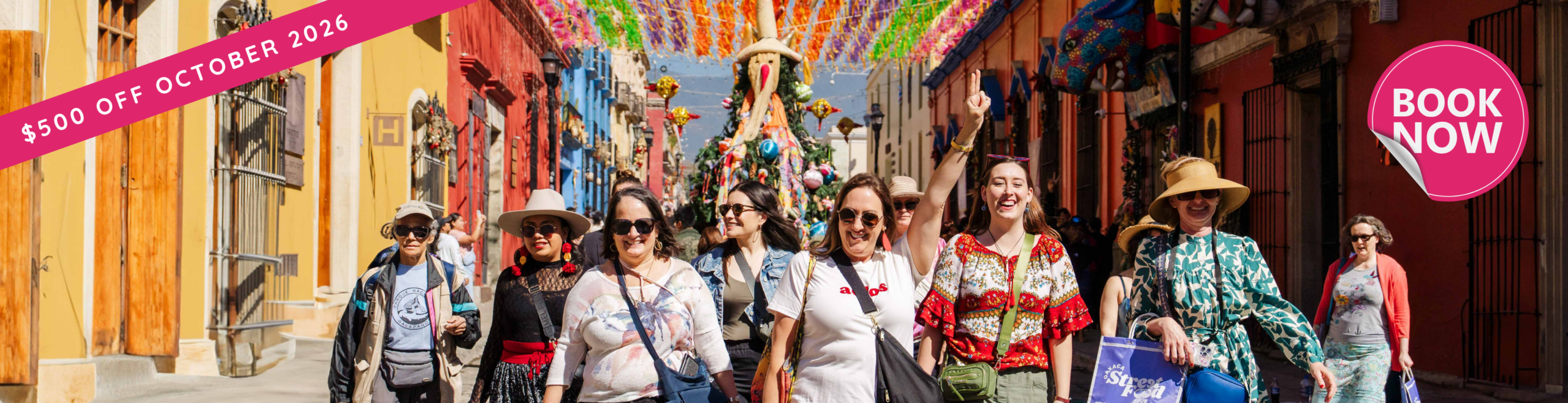
This week’s episode brings your favorite co-founder duo, Mar and Meg, back together for a fun and very honest conversation answering all the questions you have about Solo Female Travelers and our trips.
They answer the most asked questions they get: Am I too old or too young? Does everyone really come solo? Will I fit in? They also get into the practical details, including payments, what is included in the trip price, dietary requirements, when tours are confirmed and how Meg carefully matches roommates. She is quite the matchmaker, hopefully helping you find your bestie and travel buddy along the way.
Mar and Meg also share more about what being female-powered really means at SFT, and the non-negotiable principles they will never compromise on. From only ever working with female guides who are from the places they visit, to intentionally creating experiences that directly support local women and communities. They explain how these values shape every decision they make, why meaningful, responsible travel matters so deeply to them, and how their commitment to transparency and staying personally involved with every guest is rooted in those core beliefs, because they are building something they truly believe in and are here for the long run.
Of course, it would not be a Mar and Meg episode without plenty of laughs, questionable photography skills, unexpected tangents and a brand-new trousers-versus-skirt analogy that even Meg had never heard before.
It is a fun behind-the-scenes look at how SFT trips work, the care that goes into every detail and the two women behind it all.
Brought to you by…
The Solo Female Travelers Podcast is sponsored by Solo Female Travelers Tours, our small, luxury, women-only tours that support female owned businesses around the world. Join us on a trip of a lifetime that helps make the travel industry more equitable.








Transcript:
Mar: Welcome to the Solo Female Travelers Podcast. Today it will be just me and Meg talking about the two related questions that we get asked the most, and I will be the one asking and her answering. After all, she’s the one that replies to all our emails and helps guests through their booking process. So she answers most of them anyway. Hi Meg, how are you today?
Meg: I’m great. I’m ready to answer all of the questions. And it’s actually very timely because we just updated the frequently asked questions page on our website.
Mar: Yeah, and you know, today we’re not gonna talk about packing.
Meg: Yes. A lot of people did listen to that podcast. Thank you so much for tuning into that. They can now differentiate me as the one who overpacks from Mar who carries on.
Mar I love I love the Instagram reel that was made about all of your twenty seven outfits that you brought to Greece for one week.
Meg: Yeah, like I feel personally attacked but also it was true. So you know you know what? I’m happy for people to feel they can relate to it.
Mar: So today I’m playing interview and guest and to start to start with, I would like to talk about the three most commonly asked questions that almost everybody asks us, and that’s am I too old or too young? And what is basically the average age of the group? Will I be the only one coming solo? And will I fit in?
Meg: Yeah, so pretty much these are the three main questions that we do at get asked about our group tours. We do have the option on our website to book a call with us, so it’s a really great way to put a face to the name, and this is one of the most commonly asked questions. So the first question of that is age range. So what is the typical age range that come on our tours?
It averages pretty much thirty to seventy. However, we say that age is just a number. So the really nice thing about our tours is that we’re very, very vocal on our website about our values. We’re very, very thorough in the information that we give about each tour. So you’ll see that they’re very it’s a very long tour page. I appreciate anyone who has fully read the tours to because it is a long tour page, but we did make the intentional decision about being very, very thorough in detail so that people could pick the right tour for them. And so that means at the end of the day, because we’re about our values and we’re thorough in our information. Age doesn’t really play into forming relationships because women arrive with like-minded attitudes, they have the same values, they have similar interests, regardless of whether they’re 70 or 30. They typically identify as reasonably physically active. So everybody comes and can connect through the like minded attitudes, values, the love of sharing a travel experience and age really doesn’t play into that. It’s not a barrier to forming friendships.
One story that I actually really love and continue to this day to reference back to, Mar will remember it, is one of our very first Barcelona tours. We had a 20-year-old on the trip, who is quite younger than our average age, and we had a 70-year-old on the trip. And everyone else kind of fitted well in between with our general average. But it was those two who got on like a house on fire. They were inseparable, they spent all of their time together, they were Best friends, pretty much, throughout the whole tour, and that was just really, really lovely to see because it does sound a bit cliche when I say to people, age doesn’t make a difference. But it’s really not, like age never really comes up.
Women are just very excited to get there, to share a travel experience with each other. Everyone comes from different backgrounds. The younger women have something to learn from the older women. I count myself as an older woman, too, to be honest. So age, yes, it’s the most commonly asked question, but we haven’t seen that it’s a barrier to forming friendships.
Mar: Yeah, I mean, I completely agree. I go on a lot of our tours, and even though this is the question that people ask the most, at the end of the tour, most people don’t know what the age of the rest of the group are. And there’s always things to talk about and things that are common. And even though the challenges may be different in different stages in your life, the reality is that there’s always a common topic to talk about. And you know, the older women may be able to provide advice to the younger women.
The younger women may be able to help you know, the older ones with you know, the latest TikTok trend or technology or like figuring out how some things work. Some of the older women maybe are talking about menopause or children moving away, or the younger ones maybe considering marriage or children or career progress. But ultimately all of them share so much in common, regardless of age, at the core of all our tours.
Meg: And to be perfectly honest, I get on these calls with some of you who are listening and you’re all telling me about how you drag a boat in the morning at five AM and how you’re rowing at six AM and how you’re doing running and sprinting and going to the gym five days a week. You’re fitter than I am. like you’re putting me to shame in terms of so I find that a lot of people are cautious and maybe concerned about their age and about their physical fitness and whether they will fit in. But really like I’m impressed with everybody I get on a call with.
And I wanna know more about you and your story and your background and I would love to be friends with you. So it’s very interesting once we do get to a tour and seeing that age just really doesn’t prove a barrier to those friendships, to forming those friendships.
Mar: Yeah, and sometimes we feel like we want to be with people that are like us. But the reality is that when we travel, we always end up meeting people and places that are probably very different from the ones that we come from. So what better way to experience that fully than by being in a group of people who are also from different backgrounds to ours, knowing at the same time that most of our guests tend to be, somebody who’s very passionate about supporting women, feminists, moderates or leaning center or left, progressive, open-minded, respectful, tolerance.
And age doesn’t really change that at all, right? But anyway, we’re not answering the question. So the answer is that the majority of our guests are 30 to 60, but in every tour there’s always somebody older and somebody younger, and that’s great. And the diversity that comes with having different perspectives and lived experiences, that’s really what matters. And I have so many of the older guests that share advice with younger ones, like the you were talking about the grandma with the granddaughter.
It’s very important to be able to participate in the activities, like you say, and having the physical stamina to follow the program. And that’s really what matters more than age.
Meg: And that is also quite in quite thorough detail on the website too. So we made a very intentional effort to put the number of steps, for instance, in each daily part of each daily itinerary. So you might find that we estimate the number of steps. And actually we don’t even estimate it because on most of our tours, so Mar, I don’t know if you’re wearing it now, but Mar often wears her little Google Fitbit watch. There you go.
Mar: I have a whoop.
Meg: At least on our Australia tour, the first time we ran our Australia tour, we were making a challenge with the guests to guess how many steps we would take each day and then we were actually physically logging it. So the steps on our website are an estimation. We’ve actually logged that through experience. We are really thorough with that information too. just so that you can match whether a tour is right for you.
Mar: Yeah, exactly. So if you don’t like spending long days on cars, then you can see that, you know, the amount of hours that we spend or the amount of steps that you do. So like it’s more being able to be physically active and able to follow the program than having an age. But you know, coming on to the second question that was also the most commonly asked is you know, how many of them come solo?
Meg: Yes, so most guests do come solo. Ultimately we are solo female travelers. We do on any tour have one or two pairs. That might be a mother-daughter, that might be friends. And now that we have been running tours since 2021, so for quite a number of years now, what we have found is that people will come knowing someone from a previous tour. So they might not be in the same friendship circles in their day to day life, but they have met for the first time on a previous SFT tour, and then they’ve met again on the next SFT tour. And that’s really lovely because again, I feel like using the word family is often seen as a marketing cliche, but it really does genuinely feel like an SFT family. because it’s amazing seeing someone who has been in Australia two years ago and then they meet up again in Iceland, they may not be together in their day to day life, but there still is that friendship there. So yes, most women do come solo. It’s really beautiful to see the friendships that do form from that. There might be a mother daughter on a tour or there might be two friends who know each other who’ve come from home.
I have found though that when people do come paired up as a two as knowing each other before a tour, they’re typically pretty open to actively going outside of each other and meeting other people and actively making sure that they’re not seen as like a closed off couple. Like they come to ultimately establish friendships and connections and network with other people too. So I have found that actually when friends do come together, they actively go out of their way to make sure that they’re talking to different people or sitting on different sides of the table. so I’ve never found the dynamic of people coming together to impact a tour.
Mar: Yeah, that’s true. And also especially if they met on a solo female traveler’s tour before and they just come on another one together. Sometimes that’s also because it’s easier to find a roommate. You have your own roommate, you already know them, so you already know you get along. And then you want to meet other people and make other friends, just the same that you did the first time that you came, right? And we see lots of people making friends on tour and traveling again or meeting somewhere or like spending New Year’s together or celebrating something together or going to see them. I see it all the time in the WhatsApp groups from each of the tours.
Meg: And ultimately too, we find that if someone does come with a friend, it’s typically because of that it might be their first time sharing a room. So they’re looking for someone that they already know that they’re already comfortable with for the sharing a room portion, but then they’re really happy to break off and they’re not clicky. It’s not a click that forms where they’re closed off. So I would say ninety percent of any tour are solo travelers, and then there might be one or two pairs.
Mar: Yeah, and we also have some couples, obviously. Like there’s not just friends or mother daughter or uncle, sorry, uncle, auntie, nephew or niece. I always confuse all of I am confused with all of this, you know, like pairs of people that are family members, that’s good. But we also have couples that come together and it’s a nice reminder that we are actually in the business of facilitating connections between guests and between guests and the local women we meet on tour, etc. And that’s the really lovely part about it.
Meg: And we did have an amazing story of two guests who met on one of our tours and are now married. So that was a particularly exciting moment for us because we joke that and this is part of our frequently asked questions, which Mar will get to shortly, but we do joke that how I pair people together. So I personally do the room pairings. We joke that I’m a matchmaker for like the best friend that you haven’t met yet. So it was particularly heartwarming and amazing to hear that two guests who had been paired to share a room met on our tour and have now decided to take that further and they’re now married.
Mar: Yeah, and they let us know. So that’s great. And so we only have missing the last one of the top three questions, which is like, will I fit in? And you know, we have partially answered this already by talking about the type of person that comes, but maybe you can recap a little bit, Meg.
Meg: Yeah, absolutely. And ultimately it is because everybody who comes has seen our website. They have maybe been following our newsletter. You have been listening to our podcasts, maybe. Hello! and you have identified that your values do align with ours. typically the type of women that we find do book our tours, they’re educated, they’re financially independent, they’re open minded, they’re tolerant, they’re respectful, they’re typically center or left leaning.
Above all, they want their vacation to count. They want their vacation to make sure it supports women owned business because they believe, like we do, that travel can actually make a difference. And this really defines a very specific type of woman. And that’s why so many of our guests do get along and do become lifetime friends, because going back to the age, regardless of your age, if you have the same values, then that’s what is required to form a connection.
Mar: Yeah, and we both have a lot in common with our guests too, because we live and breathe the company values, so we embody them and so we display them on all our communication, on our social media and in real life. It’s not like we have some sort of brand book or like a brand guideline, document somewhere. Like this is what we truly believe. And so it comes across in everything that we do. And if you have met us on tour, then you will know this for certain. You know, and on our newsletter, on the emails that we send out, on our social media, everywhere we display those values and we repeat them regularly and so the type of person that identifies with us and that wants to travel with us shares those values too.
Meg: And you can definitely tell too, because anyone who receives an email from me, yes, it’s not just like a branded email. It usually has exclamation points and I’m going, Thanks, and thanks so much and hey, fabulous. Like it’s definitely me who writes the emails as opposed to like a branded kit book.
Mar: And you know that it there wouldn’t be typos if it was written by AI, whereas there’s always some typo in my email because you know, I’ve realized by writing these emails that maybe I’m a little bit dyslexic because I genuinely make typos all the time that I don’t see. So clearly there must be something going on.
Meg: It’s interesting though, because I remember you’ve said a few times now that a guest will book our tour. They’ve maybe been receiving our newsletter for, I don’t know, two, three years, and then they say to you in person, I can totally hear your voice now in the newsletters when I read them, having met you.
Mar: Yeah, I think that they now read my emails, you know, with my voice, with my Spanish accent, which is quite funny, you know.
Meg: And we are like we are very, very grateful for everybody who emails after receiving our newsletters offering us proofreading services. but at the end of the day, ultimately I think that that would that that would take away that that would take away Mars voice from it.
Mar: It needs to be my writing this like it always has been since the last six and a half years. And another way that people can actually see if they are the right type of person for our tours is like they can go to the website and see all the photos and videos that we have there. They are all real guests of real tours. So you can scroll through and like look at, you know, the type of person that travels with us. There’s very much diversity in age and backgrounds and nationalities and you know, everything. And so if you look through the photos or you look through the hundreds of photos that are all of real tours and the videos, we have many, many video recaps of many of the tours, you will actually see the type of person that travels with us and it’s very diverse.
Meg: Yes, and we have an amazing videographer, I must say. So the videos are amazing just to watch. but also that is a great tip too for photos. Photos on the website. We don’t we have a tour gallery on every single tour page and it’s a great way to A see what type of women book.
B, see the age range, C, see the packing list, like what people commonly ask me what should I pack. And yes, we have packing lists for every single destination on the website. We also have travel tips articles, but the photo gallery pages are a great place to see what women have worn in the past because they are photos from our tours. We don’t believe in stock images, we don’t believe in when we started the tour company we saw so many other tour companies that just use the same photos and it’s a stock image. It’s like Amalfi coast and it’s got some lemons and great.
But like I want to see people actually in the place and I want to see what it genuinely looks like. so we made a very big conscious effort from the start that we were not gonna use stock photos on the website. They are our photos, they are real photos from the tours, showing real women. They’re not showing models. Some of the women who travel with us are very beautiful, they could be models, but they are real, they are real guests, they are real tour groups.
Mar: Yeah, and most of the photos are taken by our professional photographers or by myself or by you. So, you know, like you can clearly see the difference between the ones that are taken by you or me or our professional photographers.
Meg: I was about to say I’ve been for anyone listening, I’ve been fired from being from photography services. No. I haven’t been fired, but we’ve been putting a lot of resources into me getting better at taking photos.
Mar: There is a very politically correct way of putting this. Meg, please stop cutting people’s fingers off.
Meg: Well apparently I cut people’s feet off and fingers off and there have been a few times where I’ve been on a tour and I’ve had everyone smiling really nicely and I’ve finally gotten everyone into a group and then my iPhone dies and I have to like pretend and be like, Yeah, the photo looks great. You can’t see it right now, but it looks amazing. I’ll send it to you later. So typically if I’m on a tour, I will send I will I’m actually like I’m decent. Mar used a photo that I took this week on our FAQ page actually and I’m excited ’cause that means that I’m getting better if she’s actually chosen one that I used.
Mar: It’s so funny. Anastasia and I always laugh at the photos when they come back because we just look for the feet and the hands and the and the fingers being cut off.
Meg: I’m getting better slowly over time.
Mar: But we we love you anyway. Anyway, let me ask you some other frequently asked questions that I know you help a lot of guests with payment as well. Tell me more about that. This is also one of the very commonly asked areas.
Meg: Sure. so you can make payment directly through our website by credit card. There is a credit card surcharge that’s charged by the credit card companies. So if you would like to avoid those fees, you can also pay by wire transfer. Unfortunately, we don’t take things like check, Zelle PayPal. We don’t take those methods, but we do have credit card or wire transfer. The website directly, once you take your 30% deposit, the website then sets you up in our guest portal.
And then after that point you have the option to make payments in as many different amounts as you’d like before the final payment deadline. So it’s basically a self-payment plan feature until the deadline for that final payment. And you can do that by credit card or you can email me and I can send you the details for a bank transfer.
Mar: Yeah, and this installment payments between the first deposit and when the final balances are due. I know that lots of guests will pay via different credit cards and split the payments so that they can maximize points or set up aside a monthly amount to put towards the trip or, you know, manage their finances however they want.
Meg: Exactly. And another consideration is that yes, there is a credit card fee. But like you said, some guests earn points, so they do prefer to pay by credit card. Travel insurance is another consideration. Some guests have travel insurance through their credit card, but they do need to pay with their card for that to be enabled. So that’s another consideration. You also have a lot more protections in terms of using a credit card than you do using a wire transfer, so that also plays a part. I know some of the questions Mar’s about to ask me is about the legitimacy of tour companies and the legitimacy and setup of our tour company. But you do typically have more protections making a credit card payment and also a lot more options like rewards, points, travel insurance like we’ve said.
Mar: Yeah, and like you were just mentioning, we are a relatively new tour company. I mean, we’re like six and a half years old, something like that. And you know, there are many, many companies, group companies out there, influencer-led trips, content creator trips, and some of them are illegitimate or they’re newly created companies out there without the financial backing or the operational experience to deliver tours successfully and safely. So understandably many guests want to make sure that we are a reputable company. So what do you say to them when they ask for our credentials?
Meg: Yeah, so we’re a Spanish company. We’ve been set up since 2020 and we’re registered with the and don’t shoot me mar for my pronunciation here. We’re registered with the Mercantile Registry of Barcelona. Did I pronounce that right? Yay. Yeah, so we I am slowly learning Spanish. I own a co own a Spanish company, so I should learn Spanish.
Mar: Yeah, Coco Piloto. Meg is learning Spanish.
Meg: But yes, we’re a Spanish-based company. We are registered with the Barcelona Mercantile Registry. Solo Female Travelers S.L. We were founded in 2020. We have our business numbers on the bottom of the website to prove that we’re a registered company. We are based in the Barcelona province and the regional government doesn’t actually offer travel agency licenses in the region that we are. So in order to offer tours you just need to comply with the rules and you need to be set up as a legal entity, which we are.
We also have several insurances in place and several corporate and business insurance policies in place to guarantee funds. and we have very prudent financial processes. So we started in 2020 just after COVID, so we saw the travel industry collapse and we saw a lot of companies go bankrupt and we saw people not get their money back.
So we’ve been very financially prudent since the start of setting up extremely responsible, transparent and prudent systems. All of the payments for a tour, for instance, go straight into that specific tour’s bank account. So we have a bank account for every single tour that we run. All of the payments for that tour go specifically into that bank account. That bank account is only used for payments for that trip. So that way we avoid the problem that many other travel companies fell into prior to COVID and that they still face.
A lot of other companies use monies collected for a tour to pay for the expenses of that company. And then they don’t have money to pay for those tour expenses, and that’s why a lot of companies did collapse during COVID. That’s a principle that we will never do. We set out that we were gonna be financially prudent from the start, be responsible, so that we could ultimately also protect the longevity of our company because we didn’t want to collapse.
Yes, we do have all of the we are a registered business. We do have everything in place. We’ve seen a lot of illegitimate companies enter the landscape of tours over the past ten years really. And it does cause a lot of problems. It is very difficult to do research and do your due diligence when there is such a landscape of influencer led tours and new tour companies popping up here, there and everywhere, but something to look for is a phone number.
Which we have on the bottom of our website. I personally run our office. So I’m based in Australia. Mar is the half of us who scouts the tours, puts them together, does a lot of the travel. So a primary office is run here from Australia, which is that phone number on the bottom of the website that comes directly through to me. I have Australian business hours, so look for business hours if you’re vetting the legitimacy of a website, a phone number you can call and those company registration numbers.
Mar: Yeah. And I think that the fact that we started during COVID and we saw so many companies go bankrupt, even very large ones. They had very poor financial management. They were not prudent. They didn’t have safeguards in place. And, you know, this meant that a lot of them went bankrupt. And then there were very little protections for customers to recover their money. And so the money was just lost. So we have always been very prudent. We are both very prudent people. So this just came naturally to us. But yeah, let’s talk about some more exciting parts of the business.
We often say that we are a hundred percent female powered and that we support women owned businesses. What does this actually mean?
Meg: Yes, so it means that we do our best to hire only women owned or women focused companies on tours. then that means staying at local and women owned hotels, where possible, or eating at restaurants run and operated by local women, organizing activities that are led by local women. Sadly it’s not always possible to be one hundred percent female led. We do have a few hundred percent female led tours, but it’s not always possible, even in countries like Spain or like Iceland, which are at the forefront of women rights in Europe.
Hotels owned by women are of the same category that we do book for our tours, because we do still have a category that we book. We do focus on luxury premium tours. They’re hard to come by. And even in Australia, where I had assumed that Australia was also at the forefront of female rights and female ownership, like I’m a woman with a business in Australia, it was there were no barriers really that I personally faced, I found it very difficult to find female-led experiences in Australia too.
So it is difficult sometimes to find a hundred percent women led activities, restaurants, hotels. but what’s non-negotiable for us is that we will always have female guides. So our guide will always be female, she will always be local. We don’t run tours with a male guide, we don’t run tours with someone living overseas. I don’t believe in me as an Australian showing you around Iceland. A, I can’t speak the language, B, I can’t tell you stories about trolls and fairies from growing up. I just and I don’t have the insight to act on my feet and know how to react if something goes wrong. So our tours are always led by a local. We believe that the guide needs to have grown up in the country, or at least to have been immersed in the culture and traditions so that they can fully understand the smaller details that foreigners don’t understand and can’t relate to.
But Mar is more in charge of that part of the company than I am, of the creating the itineraries and scouting. She has an uncanny knack of even the Australia tour, which I am very proud of personally putting together. Mar managed to find a lot of female led companies and activities from her excellent research skills and excellent nose for this. So I will hand over to you for for this one.
Mar: So now we’re switching roles now. Now I’m the interviewee. This is like this is like you’re the interviewer, I’m the interviewee and this is revenge. No, just joking.
Meg: I am now the interviewee. Yep, interviewer, interviewee. Well otherwise because you have a saying and otherwise if I say it then I’m stealing your saying because you very much came up with this.
Mar: Yes, I very much always say that if we don’t have a female guide, we don’t have a tour. So no female guide, no tour. And you know, this is something that I get asked a lot: like, how do you find this business? How did you find this woman? How did you find this place? This I get asked a lot on tour. And to be honest, I don’t actually have an answer. No, there’s no like specific decision tree that I follow or science or formula that I follow. It’s basically talking to people.
The reality is that we find most of the places by referrals. Lots of Googling and lots of researching online, lots of reading articles, lots of coming across businesses that could in the future be potentially interesting for us if we were to run a place in a tour in a certain place and then I take note of it, or then I ask our local guides, then I ask around, I observe, I look at things when I am in the destination, I ask hotel, I ask basically everybody that I meet. And then sometimes we just really just create activities and experiences that didn’t exist before because if I realize that we are in, I don’t know, Japan. And Japan is a very spiritual destination. And Shinto shrines and Shinto religion is very big. But how to learn this and I understand this as a foreigner besides just going to visit temples or shrines. So maybe I’ll start asking around and say like, what can we do? What can we include in the itinerary that would make people understand this? And then we end up visiting a nunnery like a monastery for nuns that are Buddhist, and they will explain to us, or rather than Shinto Buddhism, which is the other big religion in Japan, so they’ll explain to us how Buddhism works in Japan, what makes it different, and then we’ll do like a guided meditation session where we copy a Buddha image, for example. So this is not something that is an experience per se that was offered before. It’s not something that you find on a website, it’s just something that I end up finding or coming across by talking to lots of people and eventually following a chain. So no female guide, no tour, but also we try to have as many female experiences as possible. And sometimes we just stumble upon them. Sometimes we create them, by seeing what we can do that will give us a hands-on experience.
We also very much deprioritize places where we don’t think we can have an impact. So if we cannot find a female guide at the very least, and we cannot find any female run our own business, then we’re not gonna run a tour there. Or it could also be that we’re not running tours in destinations where women already have several economic opportunities. Like we are a little bit deprioritizing Western Europe because lots of women already have opportunities here. Not to say that things are equal at all, but women have more opportunities here than in other places. And so you know we would rather focus on places where we can have a bigger impact. Or sometimes we don’t do a destination or a place because we haven’t found the right partner. Sometimes you know supporting women also means that you need to be very flexible. We need to adapt to the schedule, not them to us.
And the needs of of women sometimes are very different than if we were to be working with male businesses, right? Women where the bear the burden of families and responsibilities beyond their own needs, and sometimes you know they get called last minute to attend to a family emergency in a way that a man wouldn’t, or they get pregnant and they need to take time off, like it’s happening right now in in Scotland with our guide there. Congratulations to Naomi, she will have a child this year, she will have a baby, and so she needs to take some time off. So we need to find a replacement.
There’s lots of things that happen with women. So we need to be way more flexible. We cannot have a formula or a process to follow. Sometimes some of our guides or the women that we work with get married and then their society, their family tell them that they cannot continue working anymore. So, there’s lots of things that we need to to bear in mind. and the large companies just don’t have the ability or interest in providing this flexibility. And so for them it’s more like a production line of being able to offer exactly the same tour with exactly the same formula, following the exactly the same places, and it’s like just repeat.
And whereas we are a small company and we decided to focus on being available and flexible, rather than making the guides fit into our processes, we try to work around them and not the other way around. So I think that, you know, this is what makes us a little bit different.
Meg: And we’re not in a rush either, so we’re here for the long run. World domination, sure, that’s an ultimate goal.
Mar: Always world domination.
Meg: But we’re happy to move there slowly.
Mar: Yes, we’re both very committed.
Meg: Creating opportunities and creating experiences that don’t exist, I definitely channeled a What Would Mar do for the Australia Tour. I was very proud of that. So we have an experience in our Australia Tour where we stop along the Bondi to Bronte Coastal Walk and we speak to female lifesavers at the Bronte Lifesaving Club, Surf Lifesaving Club. And that was because we phoned the club. It’s not an experience that they typically do, it’s definitely not something you can book as a tourist. We phoned them and said, We have a group of women who love to learn more about what it’s like to be a female in this industry. Can you sit down and talk to us for an hour? And they said, Yep, sounds great. So we do definitely channeled a what would Mar do in creating experiences and being able to connect with local women in different parts of the country that we’re in as well, because we don’t believe in painting women in one light or one certain way on our tours. You’ll actually meet a lot of diverse so Mar was talking about the diversity of guests that you’ll meet on our tours and other travelers who you’ll be traveling with, but you’ll also meet a diversity of women, local women from that community and culture. Because a big problem we have with the way other tour companies highlight women is that they really buy into this whole poverty tourism style, way of projecting women and yes, while there are a lot of women who are working co ops in very various countries across the world, there are also women who are smashing down glass ceilings and female entrepreneurs And there are all also female activists who we speak to on our Morocco tours, for instance. So you’ll also meet a diversity of women in the countries we visit.
Mar: Yeah, and we try to highlight women who are in male dominated roles. Like, again remember in Japan because it’s the last tour that I’ve been on. We have Noh mask maker who is a woman. Noh masks, like the Noh performances, are a style of performance in Japan that’s like mostly silent and that the masks are used to portray a specific character. And most of these masks they are carved on wood and they were made by men.
And so she’s a woman in this industry. So we like to highlight the perspective of women. Also the same with the lifesavers. We were talking about Bondi Beach and, you know, Bronte Beach and all of that part of Sydney that’s very famous for the beaches and you know, the lifeguards and for all these programs on TV that highlight the lifeguards and everything that they do and live on the beach and so on. And we thought, what can we do for people to understand this better rather than just looking at the nice beach? And that’s how the idea of the lifesavers talk came up, right? So this is normally what happens. We think about okay, What’s iconic from a destination? What is something that’s like very typical of that place that’s not commonly found in other places? And how can we incorporate that aspect, that perspective, that point of view, that lifestyle, that practice, that craft, that art, whatever it is, into the tour in a way that’s meaningful and that is just personal. And that’s how we come up with experiences that were not available before. We just create them ourselves.
So we are very committed to solo female travelers as a long term project. So continuing with the questions, many guests want to talk to you or want to talk to somebody rather than just communicating over email, right? So how can they do that?
Meg: Yeah, absolutely. So we are always available. Like Mar said, we are committed to this as a long-term project. So we’re available by email. We’re available by WhatsApp. There is a WhatsApp chatbot on our website which comes through to this beautiful thing if you’re watching on YouTube. This is my phone. comes through to both Mar and yes, and your phone. so WhatsApp comes through directly to both myself and Mar. So we personally answer you on WhatsApp, depending on who’s awake at the time. Otherwise, we do get back to you within 12 to 24 hours if we’re not live at the time that your question comes through. It’s not AI. We made a conscious decision not to implement AI bots to answer questions for our tours. We personally handle it.
So if you email us, I’ll personally answer you. If you WhatsApp, one of myself or Mar will answer you. There is also an opportunity on all of the tour pages to book a call with us. So you can jump on a video call where we can help answer any questions that you do have about the tour. And then that’s a one-on-one personal conversation. My phone number is there, because I do work Australian business hours, I do put my phone now on silent when I go to bed at midnight. So if you do call and there’s a missed call there, I will call you back or answer within the following business day. But there are a lot of different ways to get in contact with us and we do we are very responsive. We do reply within twenty four to forty eight hours.
Mar: Yeah, and if you call or you book a video call, you will speak with one of us. Mostly you because I’m the one that travels but yeah, it will be one of us in person. It’s not gonna be somebody from our team, it will be either you or me, which sometimes people get quite surprised by.
Meg: And well, we set up the company to be personally involved. We didn’t create this company so that it grows so big that we’re out of touch. We want to always know it we actually take a lot of pride in the fact that we know our guests and that we do have our finger on the pulse and we do know what’s happening because we are personally involved. This was our dream and this is our passion. We always will be involved. We don’t want to grow so big that we lose touch with why we started, lose touch with our guests. I can probably tell you because I do handle the personal details and handle the bookings and the reservations. You tell me a guest’s first name, I can probably tell you their last name and their birthday off the top of my head. Also takes a lot of people by surprise.
One of my favorite memories is recently on the Greece tour that I was just on, where we have 40 women on the tour. And I set a challenge. So we start our trip at brunch, the 40 women I said to everyone, by the time we board the ship in three hours time, I’m gonna go around the room and have every person’s name. And we boarded the ship and sure enough, managed to go around the room and have every single person’s name because I know your names on paper. I email you for close to a year sometimes before a trip. So I have everyone’s names in my head. It’s just putting your face to that name. So that was a really special moment. But you do, you speak to the two of us. I have started putting personal lifestyle boundaries in place where I’ll stop. I used to pull over to the side of the road if I was driving and a WhatsApp message came through so that I could answer right then and there.
I’ve now realised that people understand that I can get back to you within an hour. but we do take it very personally that we are responsive and that we do give you the answers that you’re looking for, because we do care very deeply that you’ve booked the right tour for you.
Mar: Yeah, and sometimes we will answer and we will let you know that we will get back to you because the fact that we are on our phone does not mean that we are in front of the computer. So we may not be able to answer that without our computer. And so, you know, if we work eight hours, each of us, that also means that there’s eight hours where neither of us is in front of the computer. So when we tell you that we will get back to you, sometimes it’s because we just don’t have access to that information, even though we are there.
Or because there are things that we just would rather not, or they are not suitable for WhatsApp because we need to have the history and we need to make sure that we double check things and we give you the right information before answering. And WhatsApp sometimes the messages disappear. And so if you book something for a year and a half from now, we want to make sure that the information is not lost. And so email would be the better way to reach out to us. So let’s move on to some of the other parts of the tours and the inclusions. I know that the inclusions change per tour, but in general, what are the things that are and are not included in our price?
Meg: Yes, so all of the detailed inclusions, they’re very detailed on the website. So our tour pages have a lot of detail. In the day-by-day itinerary, it lists what is included, but then there’s also an inclusions and exclusions section on every single tour page. So if you jump to that section, you’ll see very clearly what’s included and what’s not. But in general, all of our tours include accommodation in four to five star hotels. There are a few exceptions. Kilimanjaro, obviously being one of them, you’re not staying in a four star hotel if you’re climbing Kilimanjaro. but the majority of our tours do stay in four to five star hotels, breakfast and at least lunch or dinner or both. All of the activities except for those that are specifically offered as an optional extra and any ground-based transport. So that’s always in private minibuses or private minivans. Some tours include domestic flights. So if none of our tours will include your international flights, you’ll all meet at the tour destination. You arrange your flights to the destination yourself. However, if there are domestic flights included in our itinerary, for instance, our Egypt tour, we take three flights as part of the itinerary to see different parts of the country. On our Australia tour, we also take three flights once you’re here to see different parts of the country.
Those domestic flights are included. Ultimately, the reason we don’t include your international flights is because our guests come from all over the world. Our guests come from completely different starting points. Some come earlier, some stay longer, some come for the exact days of the tour. So it’s much easier for you and gives you a lot more flexibility if you coordinate that yourself. Guests can also choose to pick a shared spot in a twin room or a single room if they prefer not to share. All of the rooms on our tours are ensuite, so everyone has their own bathroom.
One of the questions we have had a few times though is whether we can accommodate three guests in a room. And unfortunately that’s not possible. So if you were coming as a group of three, then one person could book a single and two people could book a shared, or you could all book a shared room and then I can pair the third person with someone else on the tour.
Partners are very welcome to share a room and share a bed, and they can simply let us know if they prefer one double bed instead of two separate ones. We’re our women-only tour company, obviously. So when I say partners, I mean two women. The other thing that’s not included are tips for the host, but tips are included for everybody else who makes your tour special and incredible. We don’t want guests having to take out their wallets essentially throughout the trip and have to pay for the tips constantly. So the tips for drivers, the activity leaders, the restaurants all of that’s included for you. The only person you need to consider tipping is our tour guide at the end. And that’s if you feel that it’s deserved.
And lastly, some of our tours do include a professional photographer who takes photos on the tours, which we share with guests. So these are included in the price, and this is something that we send to you after the trip, usually three to four weeks afterwards, so that there’s time to edit. They make everybody look fabulous and amazing. Many of you have mentioned our photographers by name. Anastasia, who now works for us as part of our logistics and our podcast and social media. She’s one of our tour photographers, making everybody look fabulous.
And those are all included for you in the price. So we send them to you as a Google Drive link. You can download them, do whatever you like with them once they come through, you can download them all. You can download one or two, you can frame them, share them with your family and friends.
Mar: Torture them like with your wedding photos.
Meg: Torture them.
Mar: Torture them with all of your photos, make them sit down and watch at, a presentation of all of your photos of the tour. You know, like we used to do this before.
Meg: I was like I was like who we tort how do you I know I thought I thought you meant torture the photos. I was like how are you torturing a photo? I just got torture them. I’m like, how do you torture a photo a photo?
Mar: You can torture your friends and family, mite them over, make them sit on the sofa and make them like sit through one hour of photos? You remember when we used to do that?
Maybe I am too old, but you know, like when people got married like fifteen, twenty years ago, like you would just make them sit down through a slideshow presentation with all the photos of your wedding. Like that was torture. But you can do that with the photos too. You can torture your friends and family and make them sit through a presentation of how amazing the tour was and what a great time you had. So that’s why we we don’t torture photos with torture family members. Anyway, that’s another one of my Spanish contributions to our conversation today. Moving on to more funny things.
Meg:. I mean, I think that was the most funny thing of the podcast.
Mar: Dietary requirements are definitely no fun. This is something that comes up a lot and a lot and it’s much more complicated than people think. and that’s something that I feel like most guests do not realize. Like when they are asking us, they I don’t think they realize the implications of dietary requirements on our part. Sometimes I think they feel like we are not willing to accommodate when in fact it’s much more complicated than that.
Meg: Yeah, so ultimately this is something that we like to discuss with every guest before booking because it very much depends on the tour. So we always provide local, regional and seasonal meals and we’re very much a foodie tour company, so we have a very strong gastronomic focus. And I know like I know personally because I see it, but Mar, you spend a lot of time choosing the restaurants, you spend a lot of time designing the meals and the menus to make sure there’s no repetition. Also to make sure that the meals are representative of the place that we visit and also the time of year.
Also that the meals are sustainable and that they’re ethically sourced. So, for example, I know that some of the restaurants that you work with they avoid imported food, and they also avoid foreign restaurants. So for instance, we don’t believe in offering imported salmon from Alaska in Spain, or even just like chicken in the Swedish Arctic. It’s not something that exists there. They’re not bred there.
Or taking guests to a Mexican restaurant in Italy. That’s not part of our ethos. So to stay true to the regional and seasonal food in each destination, we stay within the recipes and we stay within the traditions of that place. And not all countries are well versed in dietary requirements or dietary needs. I know that for instance, you came back from Japan, Mar, and the word vegetarian doesn’t exist in Japan. It just
Mar: No, they just use the English version. The English English word. If you want to say vegetarian, you say vegetarian. There’s no Japanese word for vegetarian.
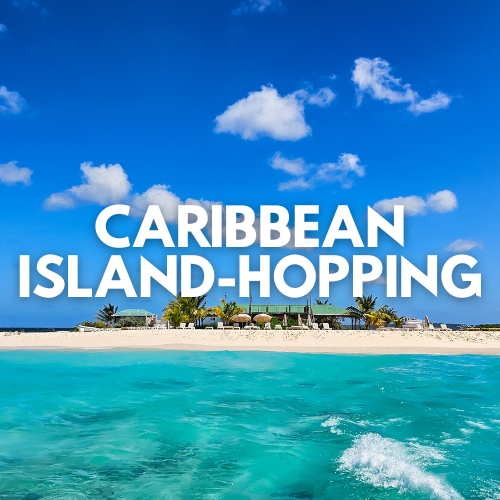
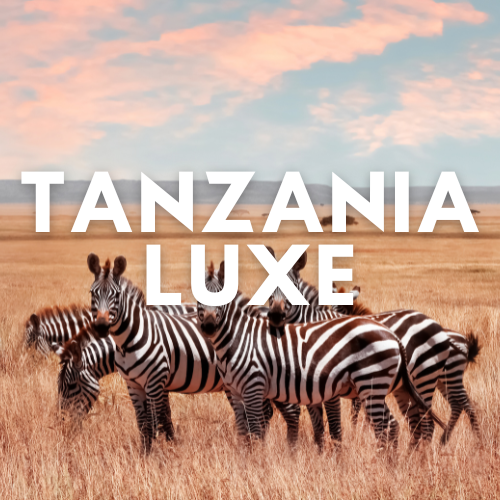
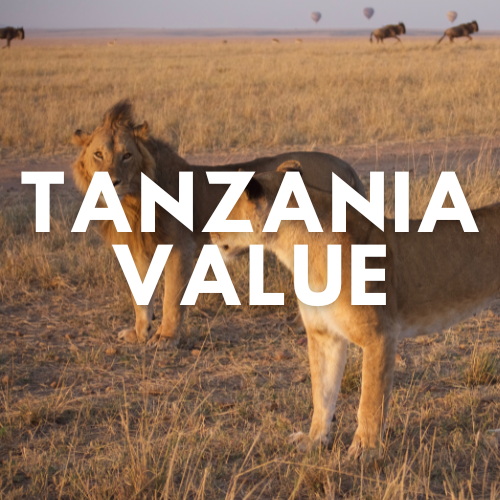
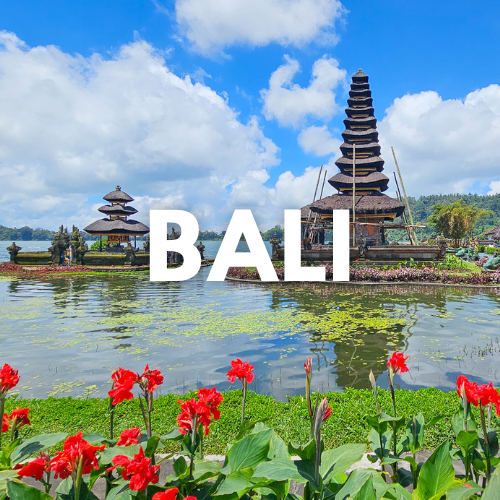
Meg: Yes, so ultimately whether we can accommodate a certain dietary need or not, it very much depends on the destination, the country, the itinerary that we put together. We do have some tours like Bali, the Caribbean, Australia, Oaxaca, Ecuador, the Galapagos, Tanzania, Iceland. These places can all really easily accommodate a lot of dietary needs, be it vegan, vegetarian, gluten, lactose free. But we do have some other destinations which just aren’t the best when it comes to making accommodations. And that is because of the nature of our tours. So we are very conscious of being transparent with guests about that. We do list this on the website. When someone books and lists their dietary requirements, we will have an open discussion with you to tell you exactly what that means for you and exactly what the meals will be. But at the end of the day, I don’t want you spending the money on a premium tour and then showing up and not being able to eat.
it’s not a good experience for you. So we are very conscious about being just very transparent about that. We are a foodie tour company. We stand for the values that we stand for. That does mean that unfortunately it’s just not possible for some of our tours to accommodate dietary requirements. So for instance, Japan, unfortunately we can’t accommodate vegetarian or vegan diets because most of the meals that we have don’t actually have replacements for those people who don’t eat meat or don’t eat fish. And in fact if you don’t eat fish at all, finding meat alternatives everywhere is actually really difficult. We have lunch with amma divers and they actually cook the fish that they caught that day. We have a private sushi dinner with a female chef, which is another experience Mar created. And in both cases if you don’t eat fish and if you don’t eat meat, you’re essentially left with boiled rice because there’s no alternative.
So it’s not because we don’t want to accommodate, it’s just because the way we’ve designed our tours is in line with our values and our ethos as a company. And that means that unfortunately it is very difficult in some situations to cater to some dietary requirements.
Mar: Yeah, and some countries just culturally they find it very offensive like many sushi chefs, not the one that we work with, but many sushi chefs will essentially not accept you and will not feed you and will not serve you if you don’t eat what they prepare that day. There is no accommodation of anything, right? And some destinations not eating the food that you are offered or given is considered quite rude. So we also want to be mindful of the destination.
I think this also makes us different from other companies. We are not only all about the guests. For us, the guides and the people that we work with and the places that we visit are equally important. And showing respect for the local culture is extremely important. And so dietary requirements also need to bear in mind those things, right? And also, you know, there are seasonal considerations. If you go to the Swedish Arctic or you go to the Christmas markets where it’s winter.
Finding green salads is not something that you’re gonna find because it’s winter. They don’t grow. If we were to eat lettuce, it would be either grown in a greenhouse, which could be very expensive, or flown in from somewhere else. So when we have guests coming to Scotland and looking to have fresh green salads and things like that, that’s just not what’s eaten locally. They eat root vegetables, they eat things that are cooked, they eat things that are hearty, that are warm, that are filling, that will help you if you have to be outside in the cold for a long time, and things that are local and seasonal at that time of the year. So we are very mindful of those things too, because we don’t want to contribute to more carbon footprint and more things being, tourism leakage where the money is being spent elsewhere because you’re importing food from other parts of the world. We very much think that gastronomy plays a very important part in the tours that we put together and in the understanding of a destination. So that’s why we are very focused on always including gastronomic experiences. You’ll always find cooking classes, food tours.
There’s lots of food-related food and drink-related activities in our tours, and that’s because that’s the type of company that we are. and so we believe in also honoring the traditions and the gastronomy of a destination, that that’s also a great way to learn about the place, understand its history or where it comes from, and its past. And also there’s things that are related to the health and safety of a person, right? If you’re somebody who has a severe allergy to something and we cannot guarantee that you’re gonna be safe.
We don’t feel comfortable taking a booking when we’re not gonna be able to make sure that you are well taken care of and also that you are safe.
Meg: And unfortunately it is upsetting. We don’t want to tell someone unfortunately we can’t take a booking. But it does come down to safety sometimes. And it does come down to making sure that you can be properly catered for.
And Mar I don’t think that many guests realize the amount of time that you and the team spend on the menus.
Mar: Yes, I spend a lot of hours because imagine if a tour is like a week long, that means nine days, that means basically, eight dinners, eight breakfasts, and several lunches. So let’s say we are in Spain and we have 12 meals to fulfill. We have to make sure that it’s not repetitive. And when you’re going to a restaurant and they offer you a set meal for a group, which is usually the case when you are a group, you are asked to choose a set menu for everybody to minimize the time that the kitchen spends preparing it and make sure that they can provide it at a speedy time.
They are all gonna offer you the same. So if I am in Barcelona and I look for a menu, for a group menu for any restaurant, there’s always gonna be patatas bravas, paella, the same pork main dishes and so on. And so if I need to come up with 12 different lunches and dinners, and they have to be different, and they have to be local, and they have to be regional and they have to be seasonal, that’s not as easy as it seems.
And when you start adding limitations by seasonality, for example, when we’re looking at northern Europe in the fall or the winter, you’re very limited to the types of food that are grown and that are available at that time of year. So if I’m in Scotland, I’m gonna be offered lamb. Every restaurant will offer lamb because that’s the most common thing. And lamb is something that not all the guests like. So I try to avoid lamb because I know that it’s a meat that even meat eaters do not necessarily always like. They find it very gamey. And when it’s not lamb, then they’re gonna offer me other game meat, like venison.
And so when I start removing things that are not super common or things that many guys do not like, or we’re talking haggis, like which is a very typical Scottish dish that is gonna be offered everywhere. I have to remove the haggis, I have to remove lamb, I have to remove game meat like venison. In the end, I’m left with very few choices. So it’s very difficult to offer variation and to offer things that fulfill all these requirements. And I don’t think guests realize the amount of time that I and the rest of the team spend coordinating all the meals amongst all the restaurants. And then let’s add some dietary requirements. No, I’m vegetarian. No, I’m vegan. So I remove ingredients. And if you are in Scotland, or Sweden or Germany, and I ask for a vegetarian menu, I guarantee you 90% of the answer is gonna be mushroom risotto or cauliflower steak. I cannot give the person mushroom risotto and cauliflower steak every day, right? So the amount of coordination that is required to put together a week-long tour menu that works for everyone, that can cater to the diet requirements, that can cater to things people don’t normally like or don’t want to try. Like, rabbit in Tuscany is also a very common dish, but lots of people have a negative reaction to rabbit, even though if you didn’t tell them they would think it’s chicken. So, like, you know, it takes a lot of effort to meet all these requirements to make the meal sustainable, to make it farm to table, to make it ethical, to make it use ingredients that are grown nearby, where the financial benefit stays in the country and benefits the community, that it’s not imported etcetera. Add all the dietary requirements in, and then you have like a puzzle, a jigsaw that’s very difficult to solve.
Meg: But ultimately this is why you do that side of things because all of the meals turn out to be delicious and extremely tasty and fabulous. So thank you for the work that you do.
Mar: Well, you’re welcome. I hope that people appreciate all our food. I know now after running tours for a long time, I know why many tour companies do not include meals and take people to a restaurant and let them choose and let them have whatever, because it is extremely complicated to cater to everybody otherwise.
Meg: But you do pull it off, so kudos.
Mar: Yeah, you’re welcome. and continuing to talk about bookings, let’s change gears to talk about the next steps after a booking is made. When is the tour confirmed and do we hold spots for guests?
Meg: So we confirm a trip when it reaches the minimum number of guests for it to be viable. And at that point, we’ll send a confirmation email to all the guests booked with the details for your arrival and your departure. That minimum number varies per tour. It could be four, it could be six, it could be eight, it could be ten. Just depends on the tour. And then do we hold spots? The simple answer is no. So spots on tours are on a first-come, first-served basis. We don’t hold spots anymore. So when you’re ready to book, you can just head over to the website and you can reserve your spot.
Mar: Yeah. And after guests have booked, many want to know what the rest of the travellers on their tour are like. So how do you find that out?
Meg: Yes, so at around three the three months before a trip, we create a Facebook group with all of the guests in it for them to connect if they wish. That’s optional. You can join that Facebook group to start connecting with other women on your tour to exchange travel details. A lot of women link up for pre-tour activities if they’re arriving earlier. We then also create a WhatsApp group five days before a tour, and we use that for coordination in the lead-up to the tour, and we use that during the tour for the guide to communicate with all of our guests daily.
If you’re sharing a room, then you find out who your roommate is on the first day of the tour.
Mar: And talking about roommates, you are famous for your room pairing skills. We’ve talked about already about the two travelers who didn’t know each other and now are married. How do you choose roommates?
Meg: Yes, so I essentially choose roommates based on the information that you tell me about yourself in the portal. So when you make your booking, you then have access to our guest portal, and that has a series of guest information tasks. And you might just try and quickly fill these out as quickly as possible, but I ask that you please do tell me about yourself. Tell me about your interests. So I primarily pair people based on age.
But if there’s somebody who is a retired teacher and I see that somebody else is a retired teacher, I might pair you together thinking that you have a lot in common and you have a lot to talk about.
Then additionally, it does help seeing how women interact within the Facebook group that we set up three months prior. So if we do see that two people are vibing particularly well or really getting along, we might take that as an indication that they would get on in real life. If you have a Facebook profile picture of a cat and someone else has a picture of a cat, we usually take like that’s the type of level that we go to in the care that we take of pairing you with someone you’ll be compatible with. It’s not AI generated, it’s not random, it is something that I personally do myself. And when we get a tour like Greece, which has forty women, or a tour like the Caribbean, which has a hundred women coming up, it becomes a bit like a Tetris game, a game of Tetris, to put people together in the best possible pairings, but we do like to think of it as meeting the best friend you haven’t met yet. so we take a lot of pride in attempting to put the room pairings together really consciously, really thoughtfully.
There are a lot of lifestyle habits that you’ll need to make accommodations for just naturally as part of the concept of sharing a room. But we do put a lot of thought and effort into pairing you as best as possible and as well as we can.
Mar: Yeah, and in the portal we have information like your sleeping patterns, whether you’re a night owl or you’re an early morning person or whether you know, whether you smoke or not, drink or not, what your dietary requirements are, and so on. So there’s lots of things that we actually know about guests. Did I run out of questions or did I forget to copy the rest of the script that I wrote?
Meg: Nope, you have run out of questions. I think we’re naturally coming to the end of our time anyway. But if we’ve not answered any of your frequently asked questions that you have today, we do have a frequently asked questions page on the website. As you’ve probably gathered, we’re very type A personality people. We like detail, we like transparency, we like being as thorough as possible. So a lot of the questions that most people ask us, we do put out there on the website.
There is a trip resources page on our website too, which has the packing lists for every tour. It has the travel guides we write for every tour, which can help you prepare yourself ahead of the trip. and prepare yourself for those emails that we send out. But ultimately, if you do have a question that you don’t find answered, you can reach out to us. It’s Mar and myself who answer every email, who answer every WhatsApp.
We’ll always be in the driver’s seat of the company. We will always have a connection point to guests. So please do reach out. Please say hi. Please email us and give us feedback on the tour because we also do take that very seriously. We commonly use guest feedback after a trip to improve future tours. So reach out anytime. It’s the two of us.
Thank you so much too for listening to our podcast because now on a lot of guest calls we are hearing that you are enjoying the podcast and that you are putting faces to our names. So that’s really lovely to hear. Thank you so much for being part of our community and yes, tuning in.
Mar: Yeah, we like to prepare for the worst and hope for the best. And like I always say, I would rather sell you a pair of trousers that you don’t like than sell you a pair of trousers and you think you bought a skirt. So, you know, that’s why we are so detailed with everything, so that you know what? I never told you this before? Absolutely. This is what I always think.
Meg: Where are you? I was like where are you going with this? I’ve never heard this analogy before. This is what happens when Mar goes off script.
Mar: That I want to make sure that people are buying a pair of trousers because that’s what they wanted. Not that they bought that they thought they were buying a pair of trousers and then they got a skirt. I cannot fix that. But if the size of your trousers that we gave you is not the right one, or the color you don’t like, or the fit is not the right one, we can fix this. But if you thought you were buying a skirt and you got a pair of trousers, I can’t fix this.
So we want to make sure that you know exactly what you’re buying, what kind of tour you’re gonna get, what is the the requirements, what is the food gonna be like, what the program is gonna be day to day, the number of steps, the hours in the car, etcetera and this is why we have such extensive FAQs and this is why we also spend the last hour talking about this. So anyway, on this very much nice off script ending to my interview.
Meg: For anybody watching on YouTube, you can watch my face as Mar went through her trousers analogy, trying to figure out what on earth she was talking about.
Mar: I I am already thinking about the next tour that I’m gonna be on and people telling me that they bought trousers and they’re happy with their trousers.
Meg: Please do tell Mar that you’re happy with your trousers.
Mar: I would love it if people left a review on the podcast. If you’re enjoying and you’re having a good laugh and I also made you spit your water, please leave a review and let us know.
And on that note, we’re gonna close today’s episode. As Meg said, if you have any other questions, you can WhatsApp us, you can email us, you can call her during business hours in Australia. So with that, we will finish today’s podcast. And I hope to hear you again or see you again or that you listen to us again next week.
Meg: Thanks guys.
–
It’s time for this week’s embarrassing travel story. We’ll call this one the false alarm. This one is from Anonymous and here’s her story.
I’m sorry ahead of time, but this isn’t this solo travel story. It’s a pretty embarrassing story though, so I’m going to tell it. I was staying at Airbnb with my kids, and we were getting ready to check out that morning. Bags were mostly packed, everyone was mostly dressed, and all we had to do was eat breakfast and take the trash out and then head out. My kids decided to make themselves some toast while I finished packing up the last few things. I was checking up on the bathroom and I started to smell smoke. At first I assumed someone had just left the toast in a little too long, but then the smoke alarm started going off. First in the living room and then all the rooms went off in a chorus. Thankfully the kids hadn’t actually burnt anything, and as far as we could tell, the toaster must have just had some old crumbs or bits at the bottom from previous use and they started smoking once it was heated up.
Of course, none of that mattered to the smoke detector. So there we were, opening all the windows, waving towels around, silencing the alarm with the bottom of a broom, bit of a chaos. Then of course I heard a knock on the door. I opened it to find a couple of concerned neighbors trying to make sure everything was okay and asking me if I needed help. Meanwhile, the alarm was still blaring in the background, and I was trying to explain that there was no fire, no emergency, and that it was just burnt toast.
Thankfully the smoke cleared, the alarm eventually stopped, and we checked out on time with no issues. But for a few minutes there, I was convinced that the fire department and maybe even the police was going to show up. I will still check the toaster before every use when I’m not at my house. You know, I actually do the same thing.
Thank you so much for sharing your story with us, Miss Anonymous. If you have an embarrassing travel story of your own, we’d love to hear it. You can submit yours on our website at www.solofemaletravelers.club.