
Thoughtful travel can sound like a fancy buzzword, but it does not have to be complicated or hard to achieve.
In this episode of the Solo Female Travelers Podcast, Meg sits down with Amanda Kendle, travel writer, podcaster, and host of The Thoughtful Travel Podcast, for an honest conversation about what it actually means to travel with more intention.
Amanda shares how her love of travel began with a six-month campervan trip through Europe as a child, how moving to Japan in her twenties helped shift her anxiety and open up her world, and how one simple comment about not riding elephants in Bali changed the way she thinks about ethical travel.
Meg also reflects on her own travel evolution, from early backpacking trips and checklist-style planning to the ways Solo Female Travelers now approaches social impact, animal welfare, child photography, locally owned businesses, and helping travelers prepare more intentionally before they go.
Together, they talk about moving beyond top 10 lists, planning trips around your actual interests, making space for spontaneity, being a guest in someone else’s home, and why thoughtful travel does not mean perfect travel. They also reflect on how travel does not really end when you get home, but continues in the way you carry those experiences forward.
We hope this episode inspires you to pause when planning your next trip, stay open-minded, and remember that even small, thoughtful choices can make a difference along the way.
About Amanda:
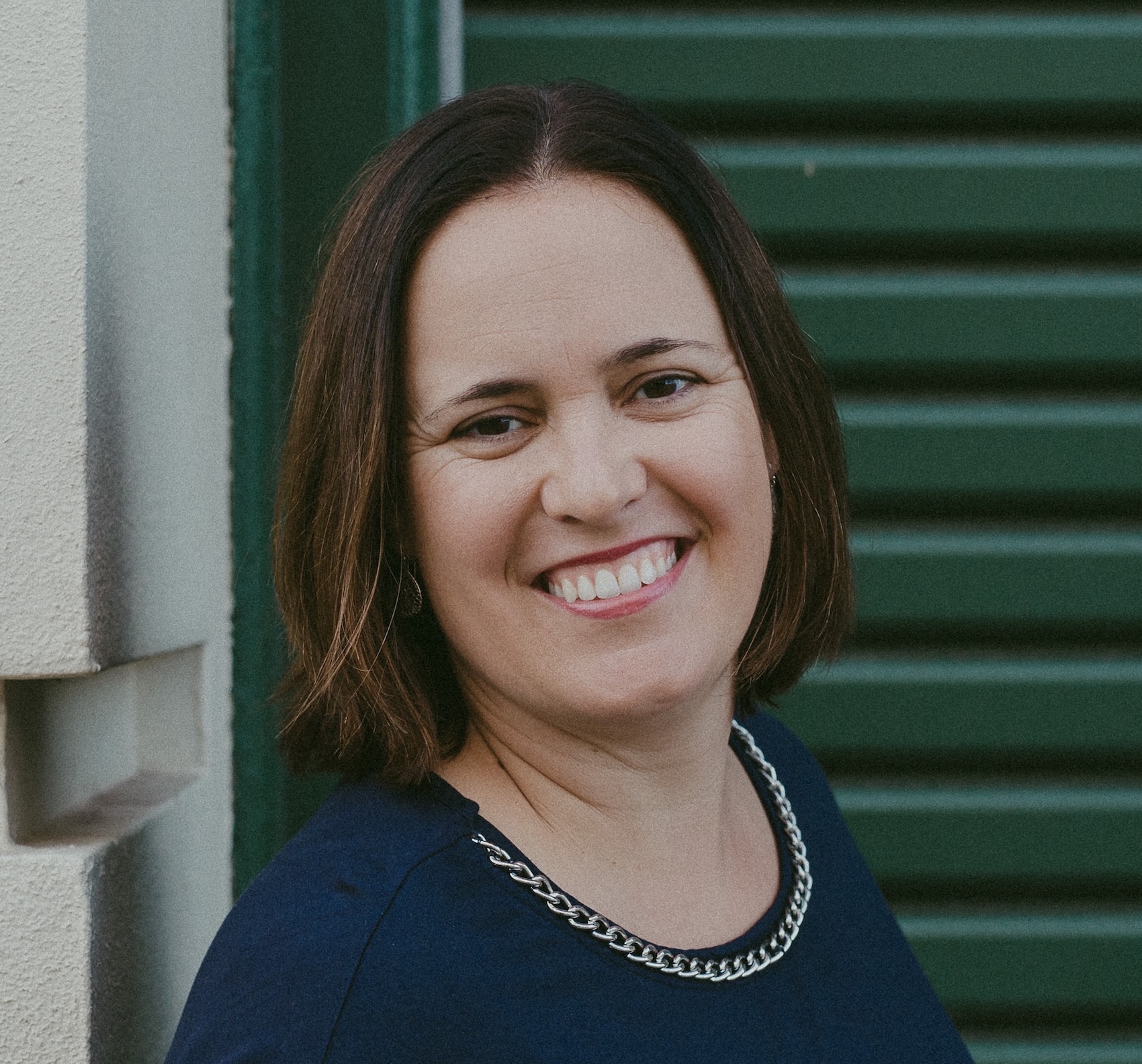
Amanda Kendle launched The Thoughtful Travel Podcast in 2016 after a decade of freelance travel writing and blogging. Interviews focus on how, as travellers, we can create a positive impact both in the places we visit and for our own lives, and Amanda has interviewed over 400 guests to date. The podcast was chosen as a feature live recording for the inaugural SXSW Sydney in 2023, and has been featured in numerous publications including The Washington Post and Travel+Leisure. In 2025 it exceeded one million downloads and is supported by a thriving community of like-minded listeners. Amanda also runs the Thoughtful Travellers Book Club as part of the podcast.
After living abroad in Japan, Slovakia and Germany, and teaching English to students of all ages, Amanda returned to her hometown of Perth and now spends time working on various podcasting-related projects, including working with disengaged teenagers to find a voice through the podcast medium. She also teaches podcasting and other communications units at Murdoch University, and runs digital marketing workshops across Western Australia for the Tourism Council of WA.
Connect with Amanda:
Podcast: Not a Ballerina
Instagram: @amandakendle
Brought to you by…
The Solo Female Travelers Podcast is sponsored by Solo Female Travelers Tours, our small, luxury, women-only tours that support female owned businesses around the world. Join us on a trip of a lifetime that helps make the travel industry more equitable.
















Transcript:
Meg: So hello everybody and welcome to the Solo Female Travelers Podcast.
Today I’m really excited to be joined by a friend and a fellow Aussie, Amanda Kendle the creator of the long running travel blog, Not a Ballerina and the host of the Thoughtful Travel Podcast where she’s been exploring the deeper, more reflective side of travel. So through her writing, her podcasting and her work with the Rise Travel Institute, Amanda has helped shape conversations around traveling with more intention, curiosity and care.
And at Solo Female Travelers, we’re a company with a social impact mission and we’re working to help shape the travel industry to be more equitable for women by supporting local female owned and female led businesses around the world. And this isn’t the first time that we chat with Amanda about this social impact mission because Amanda actually interviewed us for her podcast a few years ago. So it’s really great to now have her here on ours and return the favor.
So Amanda, you talk about thoughtful travel, not just as a trend, but as a way of moving through the world. So thank you first off for being here with us today. And before we get get started, can you tell us a little bit about yourself when you first started traveling and yeah, I guess what’s your origin story?
Amanda: Well, thank you very much for having me, Meg. I’m very excited that you guys have got a podcast starting and I look forward to listening to all of it.
So I started traveling. I was a very lucky kid. And when I was nine, my parents took me on a six month trip to Europe, but it was a very budget trip where, we bought a cheap camper van, sold it at the end. And that kind of travel, I think introduced me to, you know, this is the way to kind of see the world like slowly.
You know, we had six months to wander around Western Europe and by kind of, getting to know things at a local level, you know, we went to a lot of supermarkets, we couldn’t afford to eat out. So my mom was always cooking in our camper van and you know, we’d see supermarkets and see all the different languages, the different products, little things like that. And meet a lot of really cool people in Caravan parks.
So that’s kind of where my travel bug. Uh, was caught. And after that, I didn’t get to travel heaps during my younger years, but when I was 25, I moved to Japan to teach English. Also because I wanted to, leave Australia for a while and travel. And I spent about six years in Asia and Europe teaching and working and traveling and just having an absolute blast. And that’s when I kind of started writing about travel. And then once I’ve moved back to Perth here, then I did eventually also start podcasting about travel.
Meg: Shopping in supermarkets locally is honestly one of the key highlights of my kind of travels as well. feel like that is an adventure in itself and definitely a way to fully immerse yourself.
Amanda: Definitely, yes.
Meg: And I think a lot of people approach travel and granted me included. Like in the past, a lot of people approach travel as a checklist. And I think that’s a very easy trap to fall into because we are constantly, I think the rhetoric around travel is very checklist based. We pick the dates, we book the flights, we look up the main sites, we plan the days, we take the photos, move on. Just rattling that all off is like, I’m sure enough to make someone feel a little bit overwhelmed. But to be fair, some of that level of planning is actually part of making the trip work.
But beyond that and beyond the logistics, there’s a whole other layer about how we experience travel. So I’d love to know how you personally define thoughtful travel.
Amanda: So I think thoughtful travel, covers a lot and it can be very individual as well. But broadly speaking, I think it’s everything beyond the logistics, stopping to think like before, during and after a trip about, how can I travel with some intention? How can I travel in a way that’s good for me? And more kind of fulfilling for me rather than just, you know, ticking off all the lists. That might not be that fun, and how can I make sure I’m also doing it in a way that isn’t harming the places I’m visiting and ideally is also actually giving back or doing some good as well. So I think there’s kind of the two sides of it. There’s the self-centered almost side of like, that’s where I really started thinking about thoughtful travel was when I traveled. How much it did for me, my kind of personal development and how much it made me feel creative and inspired and just, you know, really like a really great learning experience. And then of course it’s so important, increasingly important I think to do it in a way that is also you know good and non-harmful for where we’re visiting.
Meg: And that’s actually really a good point of, and one thing that seems so simple, but I feel like a lot, takes a lot of people off guard when they ask what to say. because I’ll say the same thing to them. I’ll say, well, what do you want to do for you? And they’re like, like, I mean, I’m going to go to the Coliseum in Rome. Like, well, is that what you want to do? What are you interested in? Why? Like, why do you want to go? Are you interested in history? And if they say no, like, well, you, you’re going to a historic site.
So maybe. Start with identifying what you like, what are your interests, what are your hobbies, and then basing it off that, as you said, as opposed to Googling top 10 things to do in X and then saying, I’m going to go do this because the checklist told me to.
Amanda: Yeah, absolutely. And I think like Instagram and social media has made that 10 times worse. I mean, everything’s made it worse. Like a lot of, you know, magazines or newspapers, they’re just obsessed with top 10 lists and the internet has made them easy to find. And then Instagram shows people or TikTok shows people like visiting all of these places and they’re the go-to places. But, one of my podcast guests recently said to me that they, always had this conversation with like prospective travelers.
Do you like going to art galleries at home? No, I never go. Well then why are you going to an art gallery? You’re not going to suddenly become a person who loves art just because you’re in another country. What do you like doing at home? like going to the pub. Go and discover, like go on a tour of a brewery, and like drink in a local pub and get to know some local people and find out what beers they like. Be yourself in other parts of the world and you’ll get so much more out of it.
Meg: You’ve just validated me for saying that my 18 year old backpacking trips throughout Ireland for hitting up the pubs and karaoke and spending that as my time in Ireland was thoughtful travel. So thank you for the validation.
Amanda: Think it probably was. And I bet you had a good time and met some great local Irish people. So it’s probably very memorable.
Meg: Well, look, the photos make it look like I did have a good time, but let’s be honest, for that specific time in my life, I don’t remember a lot of it. So I’m looking forward to getting back to Ireland now and thoughtfully traveling in the way that now that I’m in my late thirties that I appreciate now.
I can’t handle my liquor in the same way as I could when I was 18. So that’s possibly going to be a very different trip.
Amanda: That sounds fair.
Meg: I think that there’s some honesty coming out. I think that thoughtful travel too, like a lot of people just assume, right? Like it’s become such a buzzword or like a target cliche word. And a lot of people assume that it means slow travel or eco travel or sustainable travel or even volunteerism. But how is thoughtful travel different from those and where do they overlap?
Amanda: So I think it can overlap with all of those things and a whole lot more, you can encompass all the buzzwords if you want, but I think, first of all, you need to take it back to being an individual traveler and how can I travel in a way that’s thoughtful for me? and, way that suits my values, my desires, my lifestyle, for example, you can’t all be slow travelers. People have commitments with jobs and children, etcetera.
So you just can’t all do that, but I think the most important thing is that most people don’t travel with a lot of intention. I always remember I gave a talk once about being a thoughtful traveler and all of the things that we can get out of travel, all the benefits kind of quite on a personal basis. And a woman afterwards came up to me and she said, look some of those things happen to me, but when I’m going on a trip, I just want to have fun. And I get that. I’m lucky I’m self-employed and also grew up in Australia where we do get reasonable amount of annual leave every year and stuff, but a lot of people, might have only one week a year when they can travel. And it’s like, deserve the reward. Like I get that feeling. And that’s fine. Go and choose where you want to go and, know, even just flop at a resort for the week. That’s fine. But if you’re a thoughtful traveler, you can just take that one step back and have a, put a bit more thought into it in the first place.
For example, if you are just going to go and flop at a resort, consider things like who owns the resort? Where’s my money going? Is my money just going to some billionaire, you know, who’s not in this country? Or can I look around just a little bit, 10 minutes of Googling and maybe find a resort that’s locally owned or has like a, you know, an eco tourism focus or just, even that like can mean make a big difference to your impact, but doesn’t have to make much change to how you actually experience your trip.
Meg: Yeah, absolutely. And I feel like we lived, we both lived through, running our travel blogs. both lived through the craze of where the news articles were saying, just up and sell your house and go travel the world for the rest of your life. And a lot of people just got caught up in that craze and did it without thinking it through intentionally of what it meant for them, what it meant for their financial situation long-term. Is this something they would actually like? Can they actually travel with their partner long-term for like the rest of their lives? Like, because travel obviously puts a very different strain on relationships and you really get to know someone in a very different light.
Most travelers will actually mention moments of truth that made them understand why they needed to travel differently and that might be realizing that the elephant ride that they took in Thailand wasn’t respectful to the animal or the way that some tourists behave in some spots is disrespectful to the community.
I’d love to know in your case, was there a specific trip or moment in your travels that changed the way you think about travel?
Amanda: So there’s two that come to mind and they kind of have that both have the personal impact and the wider impact. So first of all, when I moved to Japan in my mid twenties, I’d actually had like a lot of struggles with anxiety and stuff here. And I felt like I just needed a fresh start in hindsight. Actually, it seems like a stupid thing to do to like, I’m anxious in daily life. Let’s just move to a completely foreign country and try and build a new life or something that’s actually seems really crazy.
But for me, that happened to work. I just remember very distinctly this moment, kind of about six months in, and I was on the train home from work I was teaching till 9pm and I was on the train home and I came over the hill and I could see Osaka laid out in front of me, all the lights. And I just felt this like intense happiness and this recognition that, actually I haven’t felt anxious for months and months. And wow, isn’t it amazing how travel can change your perspective and rewire your brain in those ways. So that was like the first moment where I thought, ha, travel’s not just seeing things it’s, it can really impact you. and then the, the wider picture, finally that funny that you mentioned the elephant riding, cause that was actually what also kind of sparked this bigger thinking for me. And I remember it was maybe, I don’t know, 12 or 13 years ago and I was going to Bali for the first time. Now I live in Perth and everyone goes to Bali. Many people go multiple times a year. So it was, I was very unusual that I’d got to my forties and not been to Bali. thirties. Yeah. Must’ve been late thirties.
Meg: Yeah. It’s like an Australian rite of passage.
Amanda: Absolutely. And from Perth, it’s cheaper and quicker to fly to Bali than it is to fly to Adelaide, the next city. So, you know, it’s such a thing, but I must’ve posted on Facebook, I think, as you did back then, just to report your movements and a ex student of mine, French woman posted in response, I just said, was, you know, off to Bali or something. And she goes, when you’re there, don’t ride an elephant. And I’d never really heard anything about this kind of thing. you know, that that’s now to me, it seems very clear that is something I would never do that I can’t support that this, you know, endless research and reasons why that’s not okay.
But, she was a student that I remembered and liked. Well, she’s probably saying this for a reason. And that just that little comment led me down to learn a lot more about that and a lot more about so many other things. And now I kind of double check and triple check and question almost everything before I go, you know, Google is this ethical, you know, is this place ethical is doing this action ethical and so that’s really opened up my thinking to being more broadly thoughtful about my impact as well.
Meg: But I love that too, because it’s not, we find that these conversations are largely around education and it’s not about shaming somebody for having, for something that they have done in the past. Because I know that there wasn’t the same conversation and discussion and education around, let’s use the riding elephants example. And we find that it’s not about making someone feel judged or shamed for having done something because that’s not the best route or way to have them reflect on their behavior going forward to kind of spark.
As you said, like you, something sparked in you where you actually took that on board and you did do your research and reevaluated and deconstructed your current knowledge at that time. And I feel like that for me is an ongoing constant, way that I approach thoughtful travel in being willing and open minded to deconstruct the things I know and think, and realizing that, you know what, I’m not always right. Like, and potentially there are things that I’m still doing today that in a year’s time, I can be open to reflect on and say, actually, like I’m going to change my thinking on this.
Amanda: Yeah, a hundred percent. Yeah. And on top of that, it’s also not always possible. You might be like, sometimes I’m sent on a business trip and I don’t have much control about where I stay, for example. And, know, maybe that hotel is not a great example of, eco-friendly hotel or it’s, terrible, economic leakage and some rich owners benefiting and not the locals, whatever.
So you can’t always do it, but I think the thoughtfulness comes in being aware. And when you are able to do better, to do better, but never to beat yourself up about what you’ve done in the past. My mom in her, I don’t know, late forties, early fifties went on a trip to Thailand with some girlfriends. She was like newly divorced and it was a really big deal for her to do this trip. And she rode an elephant up in Chiang Mai and she had this photo on her wall for decades because it was like really a significant part of her trip and she’d really enjoyed that trip.
And I never said to her, you shouldn’t, you know, you got to take that down and never would have, cause it was, it was an important memory and she knew she wouldn’t do it again. She’d been listening to my podcast. but then a few years ago, I went into the room where she usually had that picture and she changed them all around after many years. And I said, you’ve moved your picture. She goes, yeah, I just kept thinking about it. I’m like, I know I wouldn’t do it now. And I’ve still, you know, I can remember other parts of that trip instead.
No, don’t want anyone to see it and think it’s okay. I’m like there’s no need to say to people, don’t do that. Cause that’s never going to, it’s like telling a toddler, it’s just going to keep doing it. So yeah, that kind of, yes, I can imagine the calling in rather than calling out is so important.
Meg: Trust me, I know that. And a lot of people think that intention starts once we actually arrive somewhere. So like not literally not littering, not throwing that plastic on the ground type thing, but really it happens long before the trip even happens. Like you mentioned earlier, just spending a couple of extra minutes on Google to see who owns this hotel is it owned locally. So let’s say someone’s planning a solo trip and their default mode is to go to Google or chatGPT to you for the top things to do. What would it look like to plan that same trip with maybe just a bit more intention?
Amanda: Good question. So I think totally fine. Go to Google and get your, get the, get the longest list you can find of things that you can do in that place. And then go through that list and have a think about which ones are actually of interest to you personally, what fits with your values, what fits with your hobbies and the things you like to see and do. And then have a think could some of these be questionable? So number one, we’ve already mentioned animals, anything that involves animals, you’ve got to be careful. Is this an ethical thing? Like animal cafes are all the rage in like Japan and South Korea. I don’t think there might be the odd, ethical cat adoption cafe, but I think probably the rest of them, uniformly unethical. So, things like that, just Google, is blah, blah, blah, ethical. You know, you can get a lot of, a lot of answers from that. and just be really, really mindful of over filling your time of not leaving space for some spontaneity for things that you might find along the way, or you meet someone who gives you a great idea I’m a very skeleton planner. I’ll book in the things that I know I have to book in. And these days it’s, some museums and stuff you really have to book in advance or since COVID so many more things require bookings, which is, find frustrating because I might not feel like it on the day.
But thinking about those kinds of things where you can slowing down. Like a lot of people want to try and fit in four cities in 10 days. That might be possible if they’re really close or they’re small places, but less is more. I know it’s really hard. Sometimes people want to make the most of it, but sometimes making the most of it is actually going slower and spending more time somewhere, where you can get to know it better. You have that deeper experience.
And the other thing I wanted to mention, cause you talk about like, before you even get there, one thing I really love to do is kind of immerse myself in the destination through things like books or films or TV shows, novels, nothing, not documentaries or, travel videos. I do sometimes do watch some of those, but like find some, novels that are set in the place that you’re going to or watch films or TV shows, whatever it is that you prefer to do, because you learn stuff about a place from those that you don’t get in other ways.
I’ve been to South Korea late last year and I read a bunch of South Korean novels. You just learn about, the everyday life of people and, typical perhaps, cultural traits, personality traits, and you learn so much. And then it’s often happened to me that then once I arrive in a place and start to meet people, I’ve got some kind of preconceived ideas from these things that I’ll maybe ask questions about or test out. I just love that you feel, feel like you come away understanding a place more if you can do some of that preparation, suppose.
Meg: No, I do love that. And for each of our tours that we have on Solo Female Travelers, always provide resources. We write a very comprehensive travel tips article packing list and in our travel tips article for every destination and anyone who’s listening can actually go into the website and find our resources page and we have all of the travel tips articles there and available for you. We have a really comprehensive section in each with books to read about that destination in advance and movies to watch in advance so that you can get the context in some of them are fiction, some of them are documentaries, some of them are non-fiction. It is a really good way though to get into the mood and to get a feel of the destination, as you said.
And what are some small questions then that we can ask ourselves during the planning phase to shape that more thoughtful experience? Obviously we’ve covered the why and the is this suitable for me? Do you have any other questions or tips that we can ask ourselves as prompts, I guess?
Amanda: I guess, yeah, do I have enough space in this plan for, for that spontaneity kind of spontaneous kind of moments? Double checking, is this what I like to do? Will I enjoy this? And also just the question of, can I check is this ethical? Is it culturally ethical? Is it environmentally ethical? I don’t want to burden people with like the homework of a lot of, checking, I doing something that’s terrible? But a quick Google can make a big difference. So I guess that’s what I’d say.
Meg: And I feel like the idea of making sure it actually suits you and your values is so important because it does such a massive disservice to both yourself, but also the destination, right? Like if you go and you have an absolutely horrible time, but it’s literally because you booked a trip during monsoon season, that’s kind of your fault. Like for not having done that research and in advance and knowing that it was monsoon season. And that’s a really big detail that is going to impact your trip. And it not only does yourself a disservice because you’ve wasted or spent, you’ve invested your time, you’ve invested your money into that experience. And then you come away with a really sour and really bad memory and concept of a destination as well. So it also does that destination a disservice that you remember it so negatively.
So what there is this idea when we travel, we’ve spoken a lot about being thoughtful for improving our trip in our decisions and I guess the value that we’re taking out of this. But there’s this idea that when we travel we’re not just tourists, we’re guests in someone else’s home. So what does being a thoughtful guest on the flip side in a destination look like to you?
Amanda: So this is something I’ve been thinking about and kind of trying to focus on a lot more in the last few years. So for one, actually try not to even use the word destination anymore because that destination really feels like it’s a place I am going to, and I am imposing myself into this destination. It’s a marketing thing. I’m going to go and have a great time here, but of course that destination is someone’s home, for many people, some people, not heaps, not heaps. Perth is a destination, but It’s also where I live and where I go to the shops and go into the city and, live my daily life.
So I think if you kind of reframe that, like, as you say, as someone’s home, then think about how you would want people to behave in your home and do the same in theirs. So that can be things like, going noisily through the streets. When I was in Seoul last year, there’s a few areas where they have had to put curfews on tourists, because in the kind of the older parts of Seoul where they’re, it’s very picturesque and very historical and cultural, but people were going through at 10 PM, 11 PM, loud and rowdy and, taking photos, apparently even like trying to open doors of like old looking houses and stuff. Imagine if you were at your own home and someone comes along and tries to get in cause it looks cute. That’s just a horrible thing to imagine.
Meg: I think that was happening in Notting Hill as well in the UK. People like they were because Notting Hill, film, they go, if you’re going to the UK, watch Notting Hill, but please don’t open people’s physical doors of their homes.
Amanda: I can imagine. Yes, exactly. And also things like where you take photos often see people come back from, especially like global South countries with pictures of kids, cause kids have run up to them or something. And imagine if someone just came up off the street and took pictures of your kid playing in the playground or your kid comes and speaks to them and they take pictures. You would never do that. Or also things like, school visits, like if you’re going to go and visit, some tours will take you to visit schools and stuff. And you think if my kids at school and these random tourists come in, how would you feel about that? So I think kind of shifting that often helps to start with.
Meg: And that is a really good example too, because we do receive questions about whether we visit orphanages or schools on our tours and our answer is always a blanket no. That is not something that we support. And again, we don’t believe in making someone feel shameful or judged. We believe in providing education and information so that people can reflect on deconstructing the knowledge that they currently have and moving forward with more education about a topic. And exactly the same thing if a tourist came to Australia and saw my child in the street and started taking photos of my child in the street. He’s four. Mama bear mode, I guarantee you would be activated and that is not okay. And I feel like when we do just pose the question in reverse, again, very kindly, without judgment, without shame and say, could you possibly imagine how you would feel if a tourist came to your home to a park and started taking photos or videos of your child? that really reframes it in realizing why something like that is not okay. And I feel like that is the key to having these conversations, discussion, education, information, not doing it in a shameful judgmental way. But that’s a really big one for us to is child photography.
And we have our Facebook community. It’s obviously a very large community has close to 500,000 women. We don’t accept we’ll reject posts where they depict children because that’s not part of our values even if there was parental consent, which is also a very slippery slope as well. We just do not accept, we do not publish photos of children into our online community.
Amanda: You guys are doing such great work. very impressed. Oh, I learned new stuff always. Absolutely.
No. And I think the more you learn, the more you realize that there’s so much more to learn and also a lot more nuance between things, like if we go back to the elephant riding, there’s also the complication of, all the people who have been involved in that industry, can you just immediately put them out of work?
Meg: Well, thank you. We’re always open to learning too though, right? Like we’re never perfect. We’ll never claim to be perfect. Yeah, exactly.
Amanda: That’s also harmful to, to the place where you were now not going to ride an elephant. There’s so many layers to it. So the more you, the more you know, the less you know, and the less answers you have.
Meg: And I think we’ve just kind of discussed our next question because I was about to ask about how being a thoughtful guest is also about the people. It’s not just about the place and what that line is between a meaningful connection and accidentally treating a local as part of the experience. And this is very interesting for me because we did have this question this week. One of our community members wrote back to our newsletter on decolonizing travel, which we’ll also have a podcast on and asked about this exact question about treating locals as part of the experience. And it was interesting for me to reflect on because I currently have a Japanese student who I’m hosting who’s staying with us and she’s studying for two weeks. And we do host student international students. And obviously part of their experience of traveling is staying with a local host and experiencing my daily life as part of that experience and seeing my son where he goes to school and all of that type of thing.
So I’d be interested to know what you think the line is between, yes, having a meaningful connection and treating a local as part of the experience.
Amanda:Yeah, it’s sometimes very tricky to figure out the best way to do that because a lot of our certainly for me and a lot of my guests in the past, some of our favorite experiences have been connecting with local people when you’re traveling. But I think there’s maybe two parts to it. So part of it is the kind of performative localness. Like, if you go somewhere where they put on a cultural performance for you, a dance or a, something like that.
All of them are fine. A lot of them are not fine. there’s, that’s one of those things where you think, you know, is this kind of a normal thing to do? are these people perhaps being exploited for someone to make money from this tourist performance? How does everyone feel? this, is this cultural stuff, stuff they would normally share with an audience? Like there’s so many kinds of layers of that to start with. But then I think also when you talk about meaningful connection. So for example, your host student, that’s fabulous. Cause she’s there with you for a couple of weeks.
She sees you every day, gets to know you and your routine and your son. That’s like, that is a, that’s clearly a meaningful connection because she’s not just there for an hour. She can go home and confidently say, I know how one Australian family lives, but she can probably also say, and the sub there’s a lot of similar, maybe at school drop-off, you can see that there’s lots of similar families, whatever. So it has some insight into how locals live.
But other times you don’t have that opportunity when you’re traveling and I always, I crave it and I try to create it, but it’s not always possible, but sometimes it can be a, a small conversation. I remember it was remembering I was in, Western Denmark, somewhere near Lego land in fact, cause that was a years ago and my son was, obsessed with Lego, but, we were just in the hotel breakfast in the morning and he was off there. They had some kind of gaming console set up. So I was still having my cup of tea and he was off playing very happy. So I was sitting at the table for a while. Everyone else had gone and the, someone who worked at the restaurant, young woman came up and, can I take your plate or whatever? And we got chatting cause there wasn’t much else for her to do. And, it happened to be an election time in Denmark. There was all these posters everywhere and it had also been an election like couple of days earlier in Australia. And I don’t even know how it came up. Maybe there was a poster even in the restaurant. I don’t know. But we got chatting about that and she was so interested in the Australian system. I was curious because I’d seen all these, posters and we had like, I don’t know, 10, 15 minutes of chat. She had to then get back to work, but I always remember that connection. I remember learning something about Danish politics from her. And obviously it was of interest to her and of interest to me. And so sometimes, a meaningful connection can be fleeting as well.
I don’t know her name. She doesn’t know my name. Don’t know if she remembers me, but I remember that and learning something. I think that’s, that’s like gold star connection, even if it’s short, but I think it all comes down to treating people as equals, finding out common interests, trying to have those kinds of chats. And obviously I was very lucky because she also spoke great English because I didn’t speak Danish. You know, there’s that other, other element there, but always trying to remember that these people are going about their lives the same way we do at home and trying to engage in a way that does no harm to them and is hopefully, a two way street, a meaningful and warm connection both ways.
Meg: And that two-way street, think, is so important. Now, I know that sometimes the reality of a place or a trip just doesn’t match what you imagined or expected, like my example of going at the wrong time of year with the monsoon season. And that could be culture shock, though. It could be loneliness. It could be something that is totally planning, couldn’t even fix. When travel doesn’t match those expectations, what does being thoughtful look like for you?
Do you have any tools or tips for how you can shift your mindset while still staying positive?
Amanda: I think number one, don’t take your feelings out on the place. It’s almost never the places fault or the people’s fault. It’s just whatever, so many reasons why a trip can not feel great. and, sometimes you’ll see people post about, I’ve hated being here. I’m I find that really sad. There’s like so many reasons and factors and stuff, but I guess, whenever I’ve had a trip that feels like off, I try and just focus on what I, a what I can change and what I can learn from it. I like to journal. So I would usually just like rage in my journal and then decide after that, what can I learn about myself? What, maybe there is something inherently about a place that really doesn’t suit me. And I won’t come back here. Okay. Or I might change my plans or whatever, but I think it’s, mean, we’re very privileged, a small percentage of the population ever can travel. So I always try and remember, Hey, I’m really lucky. Not every day is going to be amazing. let’s make the most of this and you know, what can I learn or change?
Meg: And I feel like that is very important because not every trip is going to live up to your expectations and not every trip is going to be this magical, beautiful. And I feel like that is also about managing your expectations before you go, like going into a trip with a positive mindset and understanding that travel does require flexibility, patience, having an open mind that some days are just going to be crap, or sometimes you’re going to get lost. Roll with it.
I didn’t have an itinerary for Venice because we just got lost the whole time. We were just wandering the streets and kind of embracing that and going with the wind. I think, I think your tip about, yeah, you definitely get lost. I think your tip about not over planning and not over filling your itinerary, like giving space.
Amanda: Absolutely, cause yeah, when you have this very, very full itinerary, then as you say, the expectations can be very high. I’m going to go and see this, this, this, and this, and this, but maybe just one day you’re, you’re not feeling well or your feet are sore. And if you can have that flexibility in your planning to take a day where you do spend half the day just chilling in your hotel room and just go out for a gentle lunch or whatever. mean, you’ve traveled with kids.
I’ve traveled with kids when my son was little, that taught me a lot more about being flexible and spontaneous and not being over planned because you never know how a kid’s going to wake up or how they’re to cope with a travel day or whatever. And I take that now as an adult and he’s now nearly an adult, good enough as an adult. He’s very flexible traveler. And yeah, I think having that, whatever, let’s just take this, take this as it comes.
A couple of years ago, we were in the UK for a few weeks and we both got really sick and it could have been really annoying, but we happened to, that time we were staying in this really cute hotel overlooking a river in Northern Wales. And we didn’t have much planned because that kind of week was just, we’ve got a car. We’re just going to follow our noses. And so we actually spent probably two days, in this hotel, mostly in bed feeling kind of miserable.
But I could pop out on our balcony and just watch the river flow and there was a little like steam train that went every hour or so above it. And I don’t look back on that time as a waste or badly. Just, that was actually kind of nice.
Meg: Well, and I have a similar, like one of my first solo trips as a 19 year old was to Finland and I flew to Helsinki, had my three days in Helsinki, it was in February. So again, like it was a very, very cold season. Flew from Helsinki to Rovaniemi for two days. And my sole purpose was to see the Northern Lights. They come out 95% of the year. So I’m going to see the Northern Lights. And as you can tell by my tone, I’m guessing you can guess where this is going, but the first night I was there, met some, a French couple, hiked up this mountain with these, with a stranger essentially that I just met hiked up this random mountain pretty much in the dark after 9pm they were feeding me alcohol so that you could like stay warm looking back probably not the most responsible thing to have done as a solo female traveler so I’m advocating for safety yeah but we got to the very top had been hiking in the middle of the night in the literally below freezing cold with strangers that didn’t know it was probably a little bit tipsy at this point and the northern lights just did not come out that night it was like the five percent of the time that they did not come out and then the next day I spent my second full day in rovaniemi and my last day just literally hibernating like a bear in the room just in the cold. But what I do remember from that trip is how beautiful the outdoors was and just how, because it was so freezing cold, the air just literally sparkled. And so it was, yes, fine. I won’t, I don’t see that trip as having been that time wasted.
I see that as, you know what, that’s a story that I can now tell. And it was great at the time I have been to the region. I still saw something. I was in a different environment that I’ve never seen before. I had never been in an environment like that where the air literally sparkled. So yes, I have the choice to look back and be and think I wasted a flight in two nights accommodation and I hiked up, trekked up this mountain. I didn’t even see what I went for. Well, no, you know what? I saw something different and I experienced something different and I caught up on sleep.
Amanda: Exactly right. Which is also important. I mean, especially we definitely can’t control nature of all the things we can’t control. That’s number one. You cannot control, you are the Northern lights going to be visible tonight or not. I’ve still never seen them despite putting myself in those situations, probably about two weeks of my life in total. I’ve could have had them, but no, they just don’t come out for me. But one day they will, and it’ll be worth the wait.
Meg: Well, maybe we’ll get you on one of our Iceland trips at some point because all of our Iceland tours have been really fortunate. We travel in October and they’ve all been really fortunate with the Northern Lights.
Amanda: Keen to get back there. That’s very smart. I went to Iceland in July, so it was like, yes, 24 hour daylight, no Northern Lights, obviously.
Meg: Fair, we did that too and while I was in Iceland during the summer I remember thinking because the sun never sets. It’s probably time for dinner now, I’ll check the time. It’s like 3am. Just completely lost track of the time.
Amanda: So weird, isn’t it? Yeah. I remember waking up one day, like thinking, it’s time to get up. Like the sun was streaming in and, and then I checked the time and it was one 3 in the morning. So I was like, no, not quite time to get up. It’s very confusing.
Meg: It is similarly. And so there’s also this bigger question of impact, right? how our presence affects the places we visit. And I know that everybody is pretty familiar at this point, I think, with the whole concept that we leave places better off and not worse. So what does being mindful about over tourism look like for you because I know that over tourism is one of the biggest concerns that places have these days. Like we’ve talked about how locals are starting to get frustrated and fed up with tourists perhaps acting in ways that impacts their daily life. So I would love to know what being mindful looks like in terms of over tourism on a practical level for everyday travelers.
Amanda: So I think, the idea of living a place better, like regenerative tourism is kind of a fairly kind of gold star approach, but it’s very hard to do and hard to know that you’re doing it well. A lot of businesses in the regenerative tourism area try hard, but it’s hard sometimes to really focus on being locally led and making sure that you’re doing something that actually the people who live in that place want. It’s a, it’s a, it’s a really tricky balance, but I think the over tourism piece is becoming so it’s becoming so clear to me that I don’t want to go to those places. But a lot of people still do want to go. So there’s kind of twofold either, you minimize the way you experience is the way you experience those places or can you avoid them? guess. So for example, avoiding peak season. Lot of people can, especially if you like, I like being traveling in cold weather. I was in Seoul in like the least touristed month of the year, had the best time and there were no crowds. That suits me very well. avoiding just the over-touristed places. Like we talked about, don’t go and see the Mona Lisa. If you’re not interested in art, you know, I think that’s, you know, going to the Louvre in Paris is so like, I’ve got to go tick the box, but.
You’re all you see is these people who are in these long, long queues and yeah, like, and then they see a painting that they don’t really care about or know much about. like, don’t, I don’t exactly. And I don’t see the point of that. mean, sometimes I think, you know, I’m lucky I traveled a lot more when I was younger, before there was kind of over tourism anywhere, but still there’s a lot of places that I haven’t been that I’m not interested in going because I know that there’s, there’s only crowds.
Meg: Elbow to elbow. And you’re getting whacked in the face with a selfie stick.
Amanda: Genuinely considering do I want to go to these places or is there somewhere else that I would enjoy more because it’s more aligned to my interests and values?
Meg: This is something that we, Mar and I had to think very, very mindfully and very carefully about when we were creating our trip for Bali because Bali poster child for over tourism could be used as a very, very good example. And some of the sites when we were scouting, because we scout every single one of our tours, we scout extremely meticulously. We personally travel, we personally visit for every activity that we have in our itinerary. We’ve visited and vetted 10 others in the background that we’ve X’d out and crossed off the list. We walked into some temples in Bali and literally walked out five minutes later because it was, we could tell that they were doing like fake water purifications for the gram. It was just over packed. It was so incredibly over-touristed and had just become fake for better use of a word.
There is a beautiful and authentic side of Bali and our guide Henni is absolutely fantastic. She is phenomenal. She really brings the magic of true authentic Bali alive. But if you’re not mindful, especially in a place that is over-tourist, if you’re not mindful or thoughtful or do that research beforehand, then you’re going to have a very, very different experience than someone who has engaged in thoughtful travel.
Amanda: 100%. Absolutely. And I mean, you mentioned the doing it for the gram and that is, that is such an issue these days and people want to recreate the exact photo and, I wish we could just stop that. Like, I think it’s just performative and just like, I actually can’t see the benefit side of that. It just feels a bit like showing off. So have I, but I wouldn’t do it anymore.
Meg: I’ve done it. I’ve definitely done it. No. And like I still, I definitely still fall into the trap. I’m getting better with my boundaries and I’m drawing my line at waiting two hours just for a photo. But because I, I’ve been getting better, but I’ve definitely, think everybody can say they’ve done it. again, we’re not judging if you’re listening, there’s no shame, but hopefully this can be used as an opportunity to prompt even just a slight difference in your upcoming trip.
Amanda:100%. Absolutely.
Meg: And I guess that leads me into one of my next questions is if someone is listening right now, hopefully someone is listening right now.
What can they do differently if there’s just one thing on someone’s next trip, just to be that little bit more thoughtful.
Amanda: I’m sure they are. So I always like to frame this as like having, an experimental mindset. So I often talk with people who are like really in-depth planners and they want to have every, they want to make the most of their trip, which I totally understand. But then I, I challenged them like have a half a day on your itinerary that has no plans at all. And you don’t decide until the day, for example, that can be just one thing that you do, or have a look at the things you’re thinking of doing and do this kind of.
Is this what I really want to do? Is this what is really interesting to me? or one other small thing, Google, like whatever your passion or hobby is maybe you’re a real book reader and you love libraries. Look up in a place where you’re going, you know, is there a cool library that you could visit or a bookstore or even like a suburban bookstore that’s a bit out of town or something that’s a bit different, but something that you like.
So adding something that’s not really on the tourist trial, you don’t find it in any top 10 lists, but find something like that. I know you said one thing, but I’ve got four different one things. Just thought of one more because the one thing I love to do is also go on Google maps before I go and just like scroll in really, really close up and yeah. And just look around and see like, okay, if I’ve got my accommodation booked, what else is nearby? Like we did this recently when we went to Seoul and identified a few little restaurants that sounded interesting and, the, you know, interesting little shops and there might not be places that tourists normally go at all, you know, just have a little look and think, okay, maybe I’m going to check these places out as well.
Meg: Yes to the Earth view.
Amanda: Because I’ve often come home and later on I look at maps more detailed and think, oh, there was like a amazing bookshop just around the corner. I never saw it. So I do a little bit of, you know, just daydreaming on Google maps first and drop a few pins. And then when I’m there, I think, oh yeah, I’m going to check those places out.
Meg: Well, and I love that because that’s something you can actively do just in the five minutes. And I feel like that’s more productive than doom scrolling on Instagram at the end of the night before you go to bed, which again, I’m actively trying to that’s one of my goals for this year is to stop doing that. So replace it with something.
And then the trip doesn’t end though, when you get on the plane and get home. So we’ve talked about being open minded and being willing to deconstruct your current knowledge that when you get home is often when the reflection starts. Would love to know what does thoughtful travel look like for you after you return.
Amanda:So I really do try to actually actively think about a trip afterwards. It’s very easy and I have done this a thousand times. You come home, I don’t even unpack because I’m too busy. I get straight back into life and it’s as though I almost wasn’t on a trip. I’ve just got a few photos that I’ve posted, you know? So I really try to take some time to like also just look through the photos I took and do sometimes do something meaningful with them, try and print a few that I can see that.
Remind me of something that was special about that trip or, make a photo book, those kinds of things. I also try and just kind of bring home like a new habit or a new idea. obviously I spent a lot of time in Japan and, know, I’ve been to a few tea ceremonies and stuff, and I do love to drink green tea, but I don’t do a full tea ceremony or anything. But what I do do is when I’m making my pot of tea in the morning, I actually like mindfully stop and think, I kind of do it like thinking about what I’m doing, the way you do in tea ceremony, you have to focus on every movement. And like, actually watched the water pouring in and you know, just like it’s a minute of my day, but it’s something that I’ve brought back and is meaningful to me. And then in the bigger picture kind of thing, I, I really like if I’ve come across perhaps like a really good not for profit or NGO, that I’ve come across when I was traveling somewhere or I’ve realized that there’s like an issue that is particularly rampant in a place like a, whether it’s a wildlife issue or more social issue. Is there some way I can support an organization that’s helping that? You sometimes I’ll donate. Every year I actually add up carbon emissions from flying and I donate them, like donate the dollar equivalent to an organization that I’ve heard about on my travels or come across, perhaps.
It’s not perhaps helping carbon emissions, but it makes me feel good because I know it’s like an organization I’ve known something about and feel like I can, I can help. it makes me aware of how much I fly and stuff. So lots of different little ways like this.
Meg: Yes. I love the idea too of going through your photos at the end because that’s actually genuinely the practical tip that I’m trying to do at the end of each evening to replace my insta doom scrolling habit is going through my photos. I am actually forced at the moment though to do this because my iPhone is full and I was in the middle of a tour trying to take a photo of our group a couple of months back and then this little thing popped up saying your iPhone storage is full. So like one photo of a tree in Morocco is good. I don’t need the 10. I know and how the leaves are falling and like just the placement of the wind and that yeah.
So to end off the podcast I have some rapid-fire questions for you. So first thing that comes to your mind. So a place that surprised you in a good way and why?
Amanda: I know, but you’ve got to take the time to figure out which one is the best photo of the tree in Morocco.
England, weirdly. So we went to like Northeast England around Manchester for a wedding. So it wasn’t a place I chose, was to go and see some friends get married. And I was expecting it to be how I remembered England as a kid, like dreary and rainy and kind of dull and a bit boring. And it was amazing. And there was like great culture and museums and amazing buildings. And I absolutely thought, I could live here. Loved it. So surprised me in a good way.
Meg: Amazing. Okay, window seat or aisle seat.
Amanda: Well, it depends. Short flight. No, sorry. My short quick answer. Flight under three hours window seat, flight over three hours aisle seat.
Meg: That’s not rapid fire! Okay, I actually do agree with you. And coming from Australia, I appreciate that. So a book, podcast or experience that shaped how you think about travel?
Amanda: Yes so one of our very first book club books for the podcast was the year of living Danishly by Helen Russell. So it’s about her experiences living in Denmark. Her husband got recruited to work for Lego and they moved to kind of rural Denmark from the UK and her book really like shows how you can understand it or begin to understand a culture and her kind of approach. Like just really resonated with me and, yeah, I loved it. Helped me think more about how I engage with all different cultures.
Meg: Okay, great. I will add that one to our list as well. And what are you most excited about that’s coming up?
Amanda: Well, this year is the 10th anniversary of the thoughtful travel podcast. So it’s very exciting that I’m going to do some big celebrations, but that also means, cause I started the podcast on my 40th birthday. So don’t do the maths, but that means it’s like a significant birthday coming up for me. And because of that, thought this is a year I’m going to do my treat myself to some like fun travels because it’s me and it’s my birthday and I’m going to celebrate and I have no plans yet. have literally nothing booked.
Meg: Happy birthday!
Amanda: But I know that whatever happens, it’ll be like connected with friends and fun and also being thoughtful as I go.
Meg: Well, happy birthday in advance and we will celebrate with you, very excited. And then we ask this question of everyone on the podcast. Who should we interview for our next podcast?
Amanda: Thank you. So I can easily say Erin Hynes of the curious tourism podcast. She’s Canadian and she’s how I wish I was. So she’s a bit younger than me and I like would love to be Erin. She’s like so smart and learn things so early. And she’s also just fun and you know, just a good solid traveler and nice person.
Meg: Amazing. Well, Amanda, thank you so much for joining us today and for sharing your perspective on what it means to travel more thoughtfully and with intention. This conversation was a really good reminder. It was really good fun also. It was a really good reminder that travel doesn’t have to be about doing more all the time. Sometimes it can just be about slowing down, paying attention, being a little bit more present with the places and with the people we encounter. And yes, we really appreciate that you’re sharing your own experience and how honest the conversation’s just flowed today. I know so many of our listeners will walk away thinking just a little bit differently about how they plan their trips and how they show up when they travel and what they take home with them afterwards. for everyone listening, you can find Amanda at www.notaballerina.com or you can listen to the Thoughtful Travel podcast on Apple podcasts or on Spotify, or you can jump to notaballerina.com/podcast menu.
And if you are listening and you are feeling inspired to take a bit more of an intentional trip on your own, you can also check out our small group tours for women at www.tours.solofemaletravelers.club. We travel in a way that’s conscious, community minded, and that’s supportive of both women led business around the world.
So as always, thank you so much for being here, for listening, and thanks for being part of our solo female travelers community. Thanks so much, Amanda, for being here.
Amanda:Thanks so much for having me. It’s been a great chat.
Meg: We’ll see you all in the next episode.
—
And it’s time for this week’s embarrassing travel story. We’ll call this one the night train incident. This one is from Anonymous and here’s her story.
I was traveling through Italy with a friend and we had booked an overnight train to save time and money. Plus, there’s just something cool about sleeping on trains. We had our little sleeper cabin all set up, we enjoyed a quiet dinner and we were just chatting getting ready to fall asleep. Pretty perfect. But sometime in the middle of the night, I apparently got up, left our cabin, and walked down to the train corridor in my pajamas. I have no memory of this, but according to my friend, she woke up just in time to see me leaving, and at first she didn’t think anything of it. But about five minutes later she just had a feeling that maybe she should go check on me. Meanwhile I made my way into the bathroom, which would have been fine, except someone was already inside. Of course I wasn’t actually awake. I didn’t wait like a normal person, but started trying to open the door. I when it didn’t open, I knocked, and even though I was told that it was occupied, I apparently tried to open the door again and again.
I can only imagine what the poor person inside was thinking and feeling in the moment.
Thankfully, my friend had found me and was whisper yelling my name while trying not to wake up the entire train. She was also well aware of my nighttime weirdness and realized what was happening. She managed to guide me back to our cabin where I got back into bed and went right back to sleep as if nothing had happened. The next morning I remembered absolutely none of it. My friend had to fill me in on everything, and even though it was funny now, I was pretty embarrassed back then.
We still joke about that night of I wonder who was in that bathroom. what a funny story. I bet you guys have a lot of jokes about this one.
Thank you so much for sharing your story with us, Miss Anonymous. If you have an embarrassing travel story of your own, we’d love to hear it. You can submit yours on our website at www.solofemaletravelers.club.