
In this episode of the Solo Female Travelers Podcast, Mar is joined by Alessandra Lotufo Alonso, founder and managing director of Women in Travel CIC, to explore how female tour guides are transforming the way travelers experience cities while creating new opportunities for women in tourism.
Alessandra shares how Women in Travel CIC supports underserved women, including immigrants, refugees, and women rebuilding their careers, through its Tour Guiding Academy. The program helps participants develop storytelling, guiding, and entrepreneurial skills, turning their personal experiences, cultural heritage, and local knowledge into meaningful tours that visitors can book.
Together, Mar and Alessandra discuss why the best travel experiences often go beyond famous landmarks and how women-led tours reveal the multicultural communities and overlooked stories that make cities unique. From Ethiopian food and Saudi Arabian cultural experiences in London to Ukrainian heritage and the contributions of Deaf women in Edinburgh, they highlight how local female guides can introduce travelers to a completely different side of familiar destinations.
They also explore the challenges women face when entering the tourism industry, the importance of mentorship and financial independence, and how travelers and tourism businesses can support female guides through bookings, partnerships, and sponsorships.
Whether you’re looking for more authentic travel experiences, hoping to support women-owned businesses, or curious about the power of tourism to create positive social impact, this conversation offers a fresh perspective on who tells a destination’s stories—and why that matters.
Links mentioned during this episode:
- Solo Female Travelers: Women-Led London Tour Packages
- Women in Travel CIC – Instagram
- Women in Travel CIC – Website
Solo Female Travelers
- Book a tour
- Subscribe to our newsletter
- Subscribe on Substack
- Connect on Instagram
- View on YouTube
- Join our Facebook community
- Follow us on Facebook
About Alessandra:
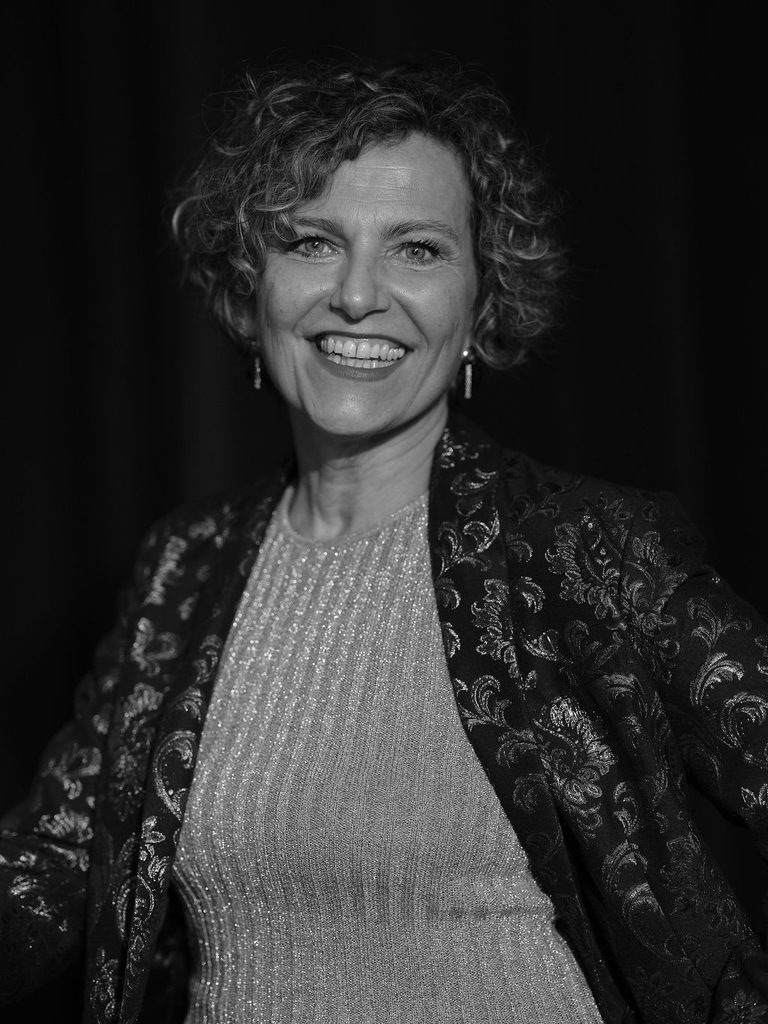
Alessandra is the award-winning Founder and Managing Director of Women in Travel CIC, with more than 20 years; experience shaping the travel and tourism industry. A recognised leader in gender equity, inclusion and talent development, she has built a career at the intersection of commercial strategy and social impact.
She began her career in tourism at the European Commission before holding senior positions with the World Travel & Tourism Council and KPMG. Driven by a passion for creating more inclusive workplaces, she co-founded consultancy Shine and the Shine Awards for Women’s Achievement in Travel, Tourism and Hospitality in 2004, championing female talent across the sector long before diversity became a boardroom priority.
Today, Alessandra is recognised as one of the industry’s leading voices on gender equity, mentoring and inclusive leadership. She is a sought-after keynote speaker, trusted adviser and regular media contributor, working with organisations to unlock talent, drive cultural change and build more diverse, high-performing businesses. Her first book on growing a travel business through inclusion will be published in December 2026.
Brought to you by…
The Solo Female Travelers Podcast is sponsored by Solo Female Travelers Tours, our small, luxury, women-only tours that support female owned businesses around the world. Join us on a trip of a lifetime that helps make the travel industry more equitable.








Transcript:
Mar: Hello everyone, I’m Mar, one of the hosts of the Solo Female Travelers podcast. Welcome to the show.
At Solo Female Travelers, I say this all the time: no guide, no tour, and especially no female guide, no tour. We can create a beautiful itinerary, choose wonderful women-owned businesses, hotels, and luxury hotels and plan every detail. But the guide is the person who really brings the trip to life. She helps everyone feel welcome, reads the room, handles the unexpected, anything that gets thrown at them and gives people the confidence to relax and really enjoy where they are. And a great guide also changes how you understand the place. She takes you beyond the landmarks and introduces you to the food, the communities, the traditions, and the personal stories that you would probably never find on your own. And long after the trip ends, it is often the guide and the way that she made you feel that you remember the most rather than the landmarks or the famous spots. This is why guides are so important to us and why I was immediately drawn to the work that Women in Travel CIC does. It’s the Tour Guiding Academy that helps women turn their knowledge, background and lived experiences into tours that travelers can actually book. But knowing your city or having a powerful story is only the beginning. A guide also needs the confidence to lead strangers, the skills to shape a story into an experience and the practical knowledge to price, market and sell it. And for women who are rebuilding their careers new to a country or trying to enter an industry where they have not always had access to the right networks, that path can be quite difficult. So, our guest today is Alessandra Alonso, the founder and managing director of Women in Travel CIC.
Alessandra has spent more than 20 years working across travel, tourism, gender equity, and talent development, including roles with the European Commission, the World Travel and Tourism Council, and KPMG. In a few days, Alessandra and I will spend a whole day with Women Led Experiences in London, hosted by some of the guides that Women in Travel CIC have helped train. And before I meet the guides and experience their tours for myself, I wanted to talk to Alessandra about her work and enabling women to build careers through guiding. Many of you, like us, also seek out female guides on your trips. You know that they make the experience deeper and more meaningful. So today we’re talking about why guiding can be a great starting point for women in tourism, what challenges they face, which are many, and what happens after the training ends. We will also discuss how travelers and travel companies can help create more opportunities for women guides.
Alessandra, welcome to the Solo Female Travelers podcast.
Alessandra: Thank you very much. I’m delighted to be here.
Mar: And can we start by maybe yourself introducing your work, Women in Travel and yourself? Because I know you have a very long career and there’s a lot to say about you, so I wanted to let you say it yourself.
Alessandra: Sure, sure. Thank you, Mar. I’m delighted to be here. So I’m Alessandra Lotufo Alonso. I am the founder of Women in Travel CIC. We are actually turning 10 in 2027, which is kind of unbelievable. Time flies. And this is, as you mentioned, a social enterprise that fosters inclusion in travel, tourism, and hospitality, and particularly connects underserved women to opportunities in the sector. These opportunities could be employment or enterprising through the Tour Guiding Academy, particularly. And it was founded, as I said, 10 years ago, with the aim to really provide an opportunity for the industry to reflect its changing customer and also to bring this diversity inside within the sector by employing and engaging with women of more diverse backgrounds. And the women that come to us are really women sort of on a continuum between underrepresented, underserved, sometimes marginalized, all the way to women who are already in industry and are looking for both sisterhood and an opportunity to develop themselves.
Mar: Right. And I saw on your website that you say that you have already served or supported more than nine hundred women. And that’s an incredible number.
Alessandra: Yes, absolutely. So we have supported I would say thousands of women by now over the last ten years in different ways. The Enterprising Tourism Academy specifically, it’s a three to four years project that is growing very well. It was started immediately after the pandemic as an opportunity to give back to an industry that at the time was brought to a halt, and while a lot of people were being made redundant, there were also operators and businesses like Intrepid who were very aware that we needed to somehow to continue to engage the talent and also give opportunity to those who were not lucky enough to be already working in the sector, because actually this a sector that needs all the talent it can get. And you know, whilst there can be events such as the pandemic that put a stop to travel, we know that then travel rebounds quite quickly. And this is exactly what happened.
Mar: Yeah, and it’s a pause
Alessandra: Absolutely, and so through the Tour Guiding Academy, we created an online platform that trains women to develop tour guiding skills. And then some of them go on to actually develop and deliver their own tour or better still immersive experience that speaks to their community, to their heritage, to their interest, and really elevates the voices of women and the community around them. So in principle, the Tour Guiding Academy is a tool that is open to everyone. The way we turn it into a social impact tool, because ultimately that’s as a social enterprise, that’s what drives us, is by combining the Tour Guiding Academy platform with mentoring and support and focusing on those women who are perhaps at the less fortunate end of the spectrum who needs this activity and this opportunity to earn, but also to do something that puts them back in touch with their heritage and their past.
And often women who land sort of in countries that are different from their own home tend to think that their tradition, their past, their community is something that they have to forget. Because they want to integrate in the new environment, but through the Tour Guiding Academy process they rediscover their tradition, they rediscover their heritage, and actually they rediscover pride in who they are and where they’ve come from. And so their original identity and their new identity, whether it’s in the UK or in the Netherlands or somewhere else can then live in peace and actually enrich the communities around them and the visitors’ experience.
Mar: And women travel is Women Travel CIC, right? And many people may not be aware or understand what the community interest company, the CIC part, means, even if they are in the UK. Can you explain the difference? You say social enterprise, so what would be a CIC?
Alessandra: Sure. So a community interest company is one type of social enterprise, but as a concept, social enterprise is not new. It’s been around now for many years. And you know, we have a UK in the UK there is a national agency, government agency for you know, also for social enterprising, and it’s basically a company that reinvests any profit in the mission. So we are a commercial company. We can trade and sell a product, but we don’t distribute dividends and we don’t have shareholders. We only have stakeholders. So our drive is about social impact. And in particular for us, because our mission is linked to empowering and supporting women, that’s where we reinvest in training and supporting women who come to us either for a program or to find mentoring and support that enables them to progress on a pathway to education or work.
Mar: And so the programs, the academy is a paid service or is it something that’s funded by your stakeholders?
Alessandra: The Enterprising Tour Guiding Academy, it’s always free for women. Obviously, the women are in our case selected on the basis that they are either unable to purchase a service, because they simply don’t have the cash and the necessary means, or because they are women who are still trying to diversify their income. So there is a basis of being able to afford it or not being able to afford it. Our social impact programs are focused on the women who either can’t afford it or for a specific reason could be women who found themselves in situations that are challenging and where that type of support can change the course of their life and can put them on a much better trajectory for the future.
The funding is often provided by either industry stakeholders, such as, for example, Trip.com, or industry stakeholders, but in the sort of foundation space, such as the TuiCare Foundation. So we work across the sector and we kind of put together the industry, our clients and so to speak beneficiaries and investment and we try to create social impact that way.
Mar: Can individuals also contribute, or this would be just led by companies?
Alessandra: Absolutely. Individuals can contribute through donation. Individuals can contribute by buying, purchasing access to the Tour Guiding Academy. So, if I am someone who already works in tourism or someone interested in the sector, I can actually upskill myself by accessing the Tour Guiding Academy as an on demand learning platform.
Mar: And you could also donate somebody else’s training, I suppose. Like you could sponsor someone else.
Alessandra: Absolutely. When someone purchases a Tour Guiding Academy, we donate access to someone who can’t afford it. As we say we rise as we lift others. So it is all sort of bringing us together for social impact.
Mar: Do the guides that have already qualified and that already have tours contribute back to the academy with a percentage of their tour of their tour sales?
Alessandra: Absolutely. So if you are a visitor, not talking about purchasing access to the Tour Guiding Academy, but if you are purchasing a ticket, if you are a visitor, as we hope to have very soon in London together, as you attend a tour, you also reinvest. There is a commission. Obviously, we pay the guide and we pay them well and we cover the cost, but anything else is reinvested into training other women and into developing activity as part of the Tour Guiding Academy.
Mar: Right, and that’s the wonderful part. But the training mostly is focused on you launching your own tour that you then sell. But would it also be a guide that you can then go and work for a tour company?
Alessandra: So the tour itself is absolutely also, we also talk to operators and say, you know, you might already have guides or you might already have people who are leading tours. This additional, this upskilling. So whether you are already in tourism, whether you are thinking about going into tourism, whether you are thinking about a career or in setting up your own, freelancing business or small business. The Tour Guiding Academy offers additional knowledge and covers a whole series of topics that are also updated sort of on a regular basis. And what it does is give you sort of highly transferable skills. So it’s also CPD accredited in the UK. So there is a certificate that is recognized by the UK and it’s also recognized by an equivalent sort of institute in other countries under the umbrella or CPD. And therefore that will give you sort of additional, if you like, you know, opportunities to work in the sector.
Mar: So you don’t have to launch your own tour, you could potentially just qualify as a guide and then go and work for an operator.
Alessandra: Indeed. You can use that as a stepping stone to work in the sector.
Mar: That’s great. That brings more women to the industry in general.
Alessandra: Exactly. And I must say, in our knowledge, it’s about one in four women that launch their own tour that’s as part of our program because you know, not everyone is drawn to guiding in that way in terms of developing the tour. But it’s a great opportunity to do so because if you think about it, you know, travelers now are looking for local, authentic experiences that speak to you with genuine connection, that open up knowledge, understanding, and that really create this kind of opportunity to immerse yourself into a local community. And that’s exactly what the Tour Guiding Academy platform is able to deliver. So if you look at the tours that we provide, yes, the backdrop is a traditional destination. It could be London, it could be Edinburgh, it could be Amsterdam, soon Berlin. But actually the way we showcase the destination is completely different. Because our tours start with a woman. They don’t start with a destination. So you are not just going to explore London. You are going to explore London as the particular guide wants to show it to you with their community, their stories, their background.
And therefore, it’s a lot off the beaten track, you know, which is also good for the industry because we generally provide touring areas that not local, not domestic, not international visitors will otherwise see. So we benefit the community, we avoid the overtourism and overcrowding of well known places, and we deliver a multicultural sort of experience that I guess short of visiting the community by jumping on a plane, whether it’s Ethiopia, whether it’s Arabian, whether it’s Pakistani we are about to launch a tour around the sort of Pakistani culture in London. Unless you jump on a plane and go to those countries, this is the next best thing and it costs a lot less and is much more environmentally friendly, if you ask me.
Mar: Yes, and some of these cities that you’re working in, London, Amsterdam, these are Berlin, these are very large cities that have lots of subcultures and subcommunities that have a very different experience than the general view that we you know, we may view London as a western and white city when it is actually very multicultural and all of these subgroups make a significant part of the city.
Alessandra: And that’s increasingly the case with all our cities. It doesn’t have to be London. Even smaller or secondary cities have sort of viewpoints, you know, offer diverse intercultural viewpoints. And also not all tours need to necessarily look at multiculturalism. For example, we have a tour in Edinburgh that has just launched that is about women and naturopathy and plant wisdom. And yes, there is an element of how women have developed that wisdom over the centuries and therefore there is also a sort of aspect of Edinburgh that is linked to that, but actually it’s because the guide is really passionate about natural remedies and so on.
So there is a whole variety, a whole variety of tours. Or for example, something that some of your listeners may well experience in the next few weeks you know we have another tour that talks about the contribution of the deaf women of Edinburgh and again you know you are looking at how women who played a role in their community, sort of how they contributed. These women are often forgotten and through our tour we revive areas of London, or areas of Edinburgh in this case, and the sort of personality and history that otherwise would go would get lost.
Mar: Yeah, so give me a little bit. Maybe we can explain to the listeners what we’re going to do. This is the first collaboration that we have together, right? Besides me going to London would be the tour in Scotland in two weeks, where yes, there will be two of the guides. tell me tell them more about the experience that they will have.
Alessandra: Indeed. Very exciting. Yes, so one of the one of the guides is Ukrainian and she’s been in Edinburgh for a number of years now and there is a really great connection between Kyiv and Edinburgh and this connection is explored through the tour. It goes back to the century and it’s you know it is very well alive today also in the food that we are going to taste which is really delicious I can tell you by experience.
Mar: The menu looks awesome.
Alessandra: And the other one it’s about the contribution that was made by deaf women in Edinburgh and so their history and their heritage and how these women have been involved maybe in education, maybe nursing and what that has meant sort of for the city of Edinburgh over over the centuries.
Mar: So this will be part of the welcome dinner for our Scotland tour that will happen in a couple of weeks, but b where both the deaf guide and the Ukrainian guide will come together, take the guests around, and then they’ll have a Ukrainian dinner. And the Deaf Guide, if I’m not mistaken, comes with an interpreter who will speak what she’s saying for the guests to understand.
So this one example of us collaborating, but in London, what are some of the or in London or in Amsterdam or the future ones in Berlin for people to really understand what we are saying in like tangible terms? So what will we do in October, at the end of October, you and I, and what are some of the other examples of great tours that provide this perspective of a city that’s not the generic one?
Alessandra: Yes, absolutely. So I think we’ve planned for two packages that each include two tours. One of the tours is the Arabian Culture and Community in London, which is a lot of fun because it also involves a belly dancing workshop with a guide of a Saudi origin.
Mar: I can’t wait.
Alessandra: That’s a lot of fun. And she makes it look really simple.
Mar: I’ve seen the videos and I’m like, yeah, if only I could move like that.
Alessandra: It’s a little bit of fun and music and so on. And she also takes us through some of the women who have contributed to Saudi culture in music and performance. And actually there is such a rich history that I never realized it was a real surprise to me. And then In one package, we have the Ethiopian tour, and that again is done with an Ethiopian guide who takes us to a market in an area of London where there is a strong influence from the Ethiopian community, and from there we go to a restaurant, to an Ethiopian shop, and there are talks about and lots of little surprises around both food and coffee and history and some of the sort of traditions rich sort of experiences in the market.
And the other one, it’s about a sort of empire on a plate, and it’s to do with the influence of the empire and therefore immigration, stories of immigration again on the British cuisine. So there’s a lot of food and some drinks, but also in the midst of it from the Roman Empire all the way to modern days, you know, many stories and maybe, maybe, sort of tales of how London and the Empire has been enriched by all these different cultures and cuisine. So it’s very exciting, and I think it’s going to be a really wonderful way to spend a few hours in London, particularly for those who either live in London. Are familiar with London or have already visited London, sort of and have seen the traditional sort of British side of London, whether it’s Buckingham Palace or Piccadilly Circus. We are not gonna take you to those places. We are gonna take you to places that perhaps will surprise you and certainly will delight you and will give you a different flavor of what this city is all about.
Mar: And these are very good examples of what you were saying earlier short of traveling to Ethiopia. Ethiopian food is not something that most people will have tried. They’re not the most common restaurants. And the cuisine is completely different from everything else. So besides the culture around coffee, there’s also the injera, the flat pancakes that are the base of a plate, and then you eat with your hands all the other foods. So unless you go to Ethiopia or you have been to places where there’s an important Ethiopian diaspora, it’s unlikely that you’ve tried this kind of food. And the same with Saudi Arabia, right? Unless you’ve traveled to Saudi Arabia. Yes, belly dancing is something that other countries have. Lebanon, Egypt, many countries will have belly dancing. But the perfume and everything else around the Saudi culture is something that it’s unlikely you’re gonna know about unless you’ve been there. And sometimes I feel like people can mix it all together, you know. Arabian, it could be many different countries. You know, the Middle East is wide and there’s lots of different countries.
Alessandra: Absolutely. But also I think it’s this idea of doing it with a local. Yes, it is a local in London, but still a local. So I often say, you know, when you travel with your friends or when you go to a place and you have a local friend, this person will take you to places that tourists will not see because they don’t know about it. They are not in the guidebook. They are, yes, maybe they’re in some blogs, but you really need to spend a lot of time searching for them. Whereas when you come to do a tour, you’ve got your local friend. And this person has devised a tour that is meant to really open up your mind, your eyes, your heart, and all your senses will be involved in discovering that community in the city where you are going. So I think there’s also this aspect of doing it with someone that really knows what they’re talking about because they are one of them.
Mar: Yes, absolutely. Nothing better than your local friend telling you about something. And in these kinds of cities you can find entire neighborhoods that are very much like if you are in India, Pakistan, Ethiopia, or anywhere where the communities.
Alessandra: Yes, exactly.
Mar: When I lived in Singapore, you’d go to Little India and it was like being in South India. It was very much like being in India. People even spoke Tamil, you know. They didn’t even speak of course Tamil is also an official language, but it was very much like a small little bubble of Tamil culture in Singapore.
Alessandra: Indeed.
Mar: And we’ve talked about the women being in let’s say challenging situations, many of the ones that your program tries to help, besides the ones that can afford it and you know, they just want to be a guide, and this a fantastic resource for them to get the knowledge and the experience and the certification. For the ones that would be in more challenging situations and for which this career in tourism or an entrepreneurial opportunity is something that is their way out of their challenging situation, what sort of challenges are they facing?
Alessandra: Well, we have a network of charitable partners, job centres and various agencies that deal with underserved women. We use this terminology of underserved to identify a whole range of women. As I said, some of them are highly vulnerable. It could be, for example, women who are refugees or women who are escaping domestic abuse type of situation. These women have left it all behind. Normally they are running out of a place and don’t, you know, don’t really have the chance to think about what I am going to do when I get to where I need to get and so they need the support that not only about doing something for themselves as a woman, trying to reclaim your self-worth and your self-esteem. It’s also about building the network and building the sisterhood and not feeling that you are alone in the country or in the place where you are.
There are also women who and we’ve had women who perhaps were in professional roles and were in sort of you know, were earning and having a career and then when with the pandemic they lost everything and in some cases the pandemic has really hit women very badly. We know that, you know, it was called a she-cession. And whilst it might be now a few years back and sometimes it feels like we’ve all forgotten it ever happened, but actually in some cases it has left a sort of long lasting impact. So the confidence of the woman has been undermined, their ability to go back into the workplace. So this is a way to restart, reignite their confidence and to rediscover their ability to do something for themselves, to go back into the workplace. Sometimes it’s a stepping stone to something bigger. But then there are women who you wouldn’t identify as vulnerable or marginalized in any way, but they are women who may find themselves as a single mother with kids, you know, they may need some support to build some income. Or maybe they already have, you know, they are a small blogger or travel creator. They are trying to build up their sort of career, their pathway. And they can sincerely do with another stream of income, another door opening. And that’s also very important because what we see is that this enterprise in Tour Guiding Academy doesn’t just give access to some learning. It gives access to a pathway to other things, because through the Tour Guiding Academy, you also acquire a sisterhood, you acquire a community, you acquire the opportunity to open other doors, being attending World Travel Market or some of the other fairs. Or it might be doing other work that we invite you to because we often have that opportunity, or whether you know it’s about attending IWTTF, the conference that we create annually.
So there is a growth, there is a personal and professional growth that comes with accessing the program. And that is not just good for those at the more vulnerable end, that’s good for everyone.
Mar: Right. And you say something that I think is quite important, right? They’re not just gaining skills, they’re gaining everything else. And I’m sure that this is very important. But you know, to start a tour is a lot more than just the training, right? The training is just a small part of it.
Then you have to become an entrepreneur. And that’s the difficult part. You can be an amazing guide, but you know, selling, promoting social media, booking, all of these things are really tough, right? And I’m sure that it’s the harder part.
And being a great guide doesn’t make you a great business person.
Alessandra: No, no, absolutely. And we you know, we try, that’s where we come in. And I must say, and you know, we always say to the guides that we train and that we develop our tour, this doesn’t replace a full-time income. It’s impossible because these tours are niche and they remain niche. But we provide all the help that we can get directly and through our own partners. So whereas the woman who accesses the Tour Guiding Academy on their own and develops a tour on her own, may then need to deal with it. We may or may not know that someone has developed a tour unless they share it with us. Those that become part of a program actually know that we are going to open up a whole series of opportunities for them, be it a partnership with you, for example. Or with some other tour operator or or you know touring companies and so on. So there is a huge effort to go from developing the tour, which is the starting point, to selling the tour, promoting the tour, and making sure that the guides also access income to the best of the possibility.
Mar: Because they’re the tours for the ones that want to continue as part of the Women in Travel CIC community, they are listed on your website. So you manage the booking component of it, which is complicated.
Alessandra: Absolutely. And can be booked. Yeah, but they can be booked from my website too. So, you know, if there is anyone here listening thinking this sounds interesting, please do go
Mar: Yeah, exactly. We will add the link so you can see all of them. Right now you said you’re in London, you’re in Manchester, you’re in Edinburgh, you’re in Amsterdam, and you say you’re about to launch Berlin.
Alessandra: Absolutely. So we’ve got six tours in London. We have two tours but only one is active at the moment in Manchester. We have three tours in Edinburgh, but we’ve got two more about to launch. And in Amsterdam there is one with one about to launch. And Berlin there will be two tours by the end of the year.
Mar: What do you think after having helped so many women and seen so many participants in the training, what do you think is the part that women struggle with the most when they want to become a guide? is it the business part of it? Is it finding their story? Is it confidence? What is it that they struggle with the most?
Alessandra: I think finding the story can be quite confusing at the beginning because what we are saying to them is that we don’t dictate any of it. We just facilitate it. So the women sometimes are clear, but more often than not have a very fuzzy idea of what their story is or what the story they want to tell. Often that changes when they have the opportunity to see and experience a tour. Then suddenly, you know, is the lightbulb moment where women think, now I get it, I understand, having experienced one, I see what’s possible, I see what other guides do. I think, however, the confidence, I think it’s also about discovering travel and tourism as an industry because many of the women that we work with have no experience of it. Some of them might have worked in restaurants, some of them might have, I don’t know, somehow had an opportunity to, yes, work in a service environment. But in reality, I think, you know, often the first session when we talk about the travel and tourism industry, the opportunity, the challenges, sustainability, the size of the sector, I think that’s something they really like. Wow, I didn’t realize this was the case. I didn’t realize how widespread travel and tourism is. Really, it’s what you see, it’s only the tip of the iceberg. So, how much impact it has on lots of other sectors of the economy and how many factors impact it from politics to the you know economic situation to social aspects and issues. So I think that is quite enlightening, surprising, and often really sort of gives women a very different perspective to what they had. So it’s also I guess that you know going through the guiding program with us, it’s also an opportunity to reflect on many different aspects of travel and tourism that perhaps you have never really had the chance to consider.
Mar: And for a lot of women, guiding is especially if you’re working for yourself, like in most of these cases, is a great opportunity because you have the flexibility to work whenever you want, to take time off if you know, in the summer when your kids are out of school or you know, not to work in the weekends or to work in the weekends because that’s when you have free time from your other job or to you know, there’s just a lot of flexibility that makes it the ideal job for women.
Alessandra: Yes, I mean that is the one thing that really spurred us to create this program because initially Women in Travel was working with these women with a view to put them in employment only. And now we do both because we realize that a lot of women find it almost impossible to do the nine to five Monday to Friday, because they don’t have the networks, they don’t have the support, they don’t have the finances to access support. And so the Tour Guiding Academy gives them exactly what you were saying. That control. I want to do this for many hours. I want to do one tour a week and I want to do it on a Saturday, I can. I want to do it on a Wednesday and a Friday, I can. So that is what, you know, that is also what is very helpful. And especially if you are someone who combines this with other, you know, if you have a sort of if are a freelancer, you have your blog, you write, maybe you are a B and B host and you do the tour, then it becomes another revenue stream, as I was saying, but again something that you can control directly. You are not dependent on an employer to start their business.
Mar: Of the women who take the course, how many would you say have their work for themselves and or decide to work for a company that is a tour operator?
Alessandra: So as I was saying, we generally say twenty five percent one in four goes down that route.
Mar: One in four have their own and the rest will work for a tour company.
Alessandra: Yes, or they do other things, or they go into work, or some of them change sectors by using the transferable skill, and some go back to education.
Mar: What kind of job would these skills be transferable to? Anything customer support?
Alessandra: You know, anything in the service industry really. Anything, you know, retail especially. Hospitality, of course, because you learn about the sector, but also you learn about customer service, you learn about communication and storytelling, you learn about elements of marketing, you learn about you know, having difficult conversations. So anything that puts you in contact with the public, you know, can benefit from the course that you undertake through the Tour Guiding Academy.
Mar: So how long is the program?
Alessandra: It is not very long. So generally speaking, from recruiting to creating a tour is six to eight months. So, you know, the first part is relatively quick. Depending on the program and where the women are, the level they are at, we tend to think that it’s three to six months. And then in those six months you already begin, you know, you already see the one that is willing and interested in progressing. And you know, generally then they are ready because there is one-to-one mentoring at that point that also takes them to the final step of the process. But if you were someone who is already sort of in a professional environment, whether it’s travel and tourism or not, and you take, you buy, say, access with a view to create something for yourself, you could probably do it much faster. It depends on what you do. The hours themselves, so you have the Tour Guiding Academy, we say that all in all is about 20 hours of work between the module and the self-study. Then of course, you know, most of those if there are women who, you know, purchase the access and develop the tour by themselves, we don’t necessarily know how much time they put into developing their tour. Some of them sometimes come back to us to ask us for you know mentoring because once they’ve learned and they have some idea, they need someone who can help them put this tour together. Some of them, you know, might even be interested, and we would certainly also, give them the opportunity to sell their tour through our channel as well as other channels, such as Airbnb, for example, or Viator. As I said, the issue there is that often these tours are niche so the large platform may not necessarily give them the visibility necessary to then sell.
Mar: Right. If you’re going to buy a tour and you’re competing with the Buckingham Palace, Walking Tour, Big Ben type of tours, your tour is gonna be buried, especially in a city like London, which probably has thousands of tours. Your tours will never be discoverable unless somebody’s looking specifically.
So if a person like a traveller, a female traveller or a male traveler is going to these cities and they want to support this initiative and like to get to know the women and book. Some of the ways that they could help would be to go to the website, obviously Women in Travel CIC, we’ll put the link on the on the show notes and then there is a section with the tours and we’ll put directly that link so that people can go and book the tour. If they want, they can also donate, they can also make a donation to the training academy, to like the Tour Guiding Academy, and that would finance.
Alessandra: Yes, absolutely. They can always make a donation to us. At the moment we are rebuilding the donation sort of pages of the website, but all they need to do is get in touch. Or they can purchase the access to the Tour Guiding Academy, do something good for themselves, and as a result of their purchase, we donate access to a woman who would otherwise not afford it.
Mar: So for every purchase of a person that pays, a free one is being donated to somebody who can afford it.
Alessandra: Yeah. And for every ticket that you acquire for a tour, twenty percent, twenty to twenty-five percent goes back directly into supporting women.
Mar: And then if you are in the travel industry, you can obviously reach out to women in travel and find out about the database of women who are trained so that you can hire somebody who’s already got the certification.
Alessandra: Yeah. Absolutely. If you are a business, there are so many ways you can help. You can clearly sponsor.
I would say one of the best ways also to book a tour for you and your team. It’s a fantastic day away. It’s a fantastic building, team building, is a fantastic celebration event, you know, whether it’s holidays, Christmas time, or whether it’s a colleague’s birthday or whatever their celebration might be.
Mar: Team building.
Alessandra: Also team building, as you said, it’s also a great way to host your clients, customers, partners, suppliers in a way that is actually meaningful, where they’re gonna enjoy, learn, and know they are giving back. and then of course they can sponsor programs, you know companies that have that type of sort of available budget that have a budget to give back to community budget for social impact, budget for responsible sort of causes, then they can also decide to sponsor five women and then, you know, launch a tour. And that it’s always a conversation that we can have. So all they need to do is contact Women In Travel, contact me and then, we are very open. The beauty of being again your own business is that you have that flexibility of discussing what’s possible and tweaking your product and services to suit exactly what the customers want.
Mar: And at the wider organisation level, because this only a part of women in travel, what else does women in travel do? You’ve mentioned conferences, there’s many other initiatives that I know you’re taking care of.
Alessandra: So really we have a few pillars, you know, Tour Guiding Academy is one of the pillars together with employability, i. e., programs that are also aiming to help women find employment in travel and tourism. All these programs require sponsorship. So, we hold them, we chase the funding that is required to run the program. But then we also have allyship, and mentoring. So we have a program where someone with experience can become an online mentor. They buy a small annual membership. The membership again creates an opportunity to donate to the Tour Guiding Academy, and they can also mentor the person involved in the Tour Guiding Academy, and then we have, DNI inclusion is in our DNA. We do training, workshop, consulting, and the events, IWCTF being our annual platform. We run it at least once a year. We’ve just come back from the Netherlands. Next year we are gonna have a big 10 year celebration, and then we aim to launch an IWCTF in North America as well. So we are very excited about that.
Mar: And at a personal level, I’m sure that when you travel you also look for female guides. I know I do. I always look for female guides. I look for female related initiatives. What are some of the places that you personally go to find them?
Alessandra: So, obviously having been in this sector for 25, 30 years, I have quite a large network. On a personal level, I have experienced a few times, Intrepid. Intrepid is one of our key allies and supporters. And I have often gone to them for tailor-made itinerary that involves female guides and female tour leaders. But also you know female-owned hotels and or restaurant and experiences for example the cooking lesson the tajin cooking lesson run by a social enterprise that supports women survivors of domestic abuse in Morocco or whether it might be a guide who takes you through experiences in such as food tour for example that we’ve done in Athens this year and tells you about the tradition and the food in Greece, I also know organizations such as Greeter, for example, that again welcome you with a local host and obviously, Solo Female Travelers Club. I haven’t experienced it myself, but I hope one day I will. Certainly, wherever I go, I am very conscious and intentional about what I do. And I always think of my network, I always think of where I spend the money, how I spend the money, and how I can create a more positive impact. So women are always you know my focus. Although as Women in Travel CIC we talk about women and allies so we are very inclusive and we talk about all women. Therefore intersectionality is very important but also we are very inclusive of men. But in terms of the impact that’s where my heart and my focus lies on women. So because women are hosts, women are, heart of the community. And in my experience, never mind where you go in the world, women are the ones that welcome the guests and open their doors, open their homes, open their kitchens and offer you food and comfort. So those are the ones that I really need. Their voices need to be elevated because their impact is huge from the family, the kids, the extended family and communities, all the way to the visitor and the travel. So yes, indeed, you know, that’s my focus when I travel. and travelling is a passion of mine. Otherwise I wouldn’t be in the sector I am in.
Mar: Yes, you cannot love to travel if you’re in this industry because by definition you’re gonna have to travel. So you have to love it. And you have done it many, many for many, many years, right? We see lots of people in the Facebook group asking for female guides. That’s a way of getting personal recommendations. Sometimes what I do as well is I will go to Viator or GetYourGuide and see the companies that are listed there and then go and check the companies and who owns them. Sometimes this is something that is surprising, so few companies say who is behind the company in the travel industry. I find it so strange. And if it’s women owned, sometimes they promote it even less. Like perhaps because in the past it may have been seen as something that was maybe less authoritative than if you’re a man. I don’t know, but sometimes it’s hard to find the ownership. Like you say, allyship we focus on supporting businesses that are owned by women or at the very least led by women. And you know, we would make exceptions for companies that are owned by men who are allies and who want to promote women and who are very much sharing our values, if that was the case, they’re just hard to find.
Alessandra: You’ve got a company like JourneyWoman that has a directory, for example, of women owned women led businesses, so that’s very valuable. I think also, you know, for example, one way for us to highlight women is through our awards. So together with IWCTF, our annual conference, the International Women in Travel and Tourism Forum. We run IWCTF awards. That’s also a way to create role models and to shine a light on often smaller businesses that are women-led or women-focused or where the workforce is predominantly female. For example, I can think this year, there were businesses based out in Nepal and India that have community networks, homestay networks that are focused and led by women. And you know, through us and some of the activities that we will continue to do following the awards, they can be staged on a more international level, they can suddenly gain access to a stage that is a lot more international, although they are already doing fantastic work, it’s a list and other opportunities. So I think also looking through industry awards, industry conferences and seeing who are the speakers, what they do, who are the winners, what companies they run, that’s another way to showcase female led businesses.
Mar: Yes. And so next year you’re turning ten. That’s a major achievement. What comes next? You’re gonna launch Berlin soon. What is the next destination? What are the other plans? Where will the next year’s conference be held?
Alessandra: So yeah, we are looking at North America and we are looking of course in London for our tenth year celebration. I think we are going through a rebranding and a refresh of our brand. So our website logo, we just had a little sneak peek in the Netherlands last week. We sort of unveiled a new logo which I’m very excited about. And I think more impact, more women, more collaboration. It’s really the mantra for the next ten years.
Mar: And the next destination after Berlin, do you already know?
Alessandra: So we are not yet unveiling that. We have a few contenders that are actually also outside Europe. So we will see, but that’s to be revealed.
Mar: Because potentially we try to focus on countries where economic opportunities for women are less accessible, let’s say beyond Europe. We have a lot of tours in Europe, but we have realized with time that we can have a greater impact if we focus on countries where women already don’t have as many opportunities as they have in Europe, right? That’s why I was thinking you are mostly in Europe. I’m not saying that there’s no need, absolutely. There is a lot of need in Europe. However, there’s more need if you go to countries where just for women it’s very hard to access funding or training or opportunities, right? So I guess that would be the natural expansion.
Alessandra: Yeah. Well, I mean there’s an element, there’s both, because if you think about refugees, they tend to come to Europe. So actually, you know, it’s not so much about the country, it’s the women in the country. And you know, don’t underestimate the number of women in Europe who need support. I think in Spain, as much as in the UK, as much as in Germany and everywhere, but of course if you’re looking at the destination side, indeed you’ve got many more countries, from Latin America to sub-Saharan Africa to some of the countries in Asia and South Asia where plenty of opportunities can be created. You know, we are always looking for collaboration. So we need local partners, we need companies that put their money where their mouth is. So, that want to support and then can link their support to their own tools. And that’s, you know, that’s the beauty of it. That once you have, our collaboration can also, it’s a circular, if you like, virtuous circle. Exactly.
Mar: Like what we are doing in Edinburgh, right? Like we just hire the guides, we make them part of the experience. Therefore they are ongoing of course we’re a small company, but if you’re somebody that runs tours every week, this can make a significant difference.
Alessandra: It can make a significant impact and it can give a very different perspective to your clients, you know, that they would otherwise have. And sometimes all you need is one, you know, you can just bring your client to one experience for that tour guide, it’s again can be a game changer.
Mar: Yes, absolutely. Well, that’s great. I’m excited for next year’s plans to find out where the conference is, to find out where the next destinations are. But most importantly, I’m excited for our tour in a couple of weeks. When this episode goes live, the tour will just be happening as we speak. I know you will be there in Edinburgh. And also at the end of October, people can come and meet me and you in person. This is rare because we have actually never hosted a real live event in person besides our tours. And London is the city where we have the most members in our community, interestingly, and so I hope that Many that are listening and who live in London or maybe traveling during that time, 31st of October, will join you and I for half a day tour either in the morning with Ethiopia and Saudi Arabian influences and dancing, belly dancing and food and then in the afternoon, also belly dancing and the Empire on the Plate tour, where we will learn about British history through its empire and its influences. So I hope people will join us. We’ll put the links in the show notes, we’ll put the link to the academy, we’ll put the link to all the tours. that the women in your community have created so that they can join them. Hopefully more women will check out the Women in Travel list of tours before they travel somewhere, especially for the cities that we know are already there. Edinburgh, Manchester, London, Amsterdam, and Berlin are coming soon. Maybe next time there’ll be Barcelona, who knows?
Alessandra: Absolutely. Wow, that would be exciting, something to think about.
Mar: So much immigration here and so many like different subcultures and lots of different ways of seeing the city. So who knows. Thank you so much Alessandra.
Alessandra: Absolutely. Thank you. Thank you, Mar, it’s been a pleasure.
Mar: And I’ll see you in person soon. Which is strange. Normally I don’t see our speakers in person. So this is exciting.
Alessandra: Thank you. Take care.
–
And it’s time for this week’s embarrassing travel story.
We’ll call this one Meeting the Parents. This one is from Anonymous, and here’s her story.
I was on a solo trip around Europe a few years ago. My parents also love traveling and they decided to join me at my final destination for a few days. I love my parents and I was very happy for them to join, but I insist that we book separate hotel rooms. One of the nights we had dinner together and while they went back to the hotel, I went out for drinks. I met a really cute guy and we ended up going back to my room together. We had a very fun night, if you know what I mean, and he stayed over. The next morning I woke up and I decided to get in the shower while he ordered us some breakfast from room service. Everything was going great and we had no plans for the day that I knew of, so I wasn’t concerned about the time.
What I didn’t realize was that my parents had been trying to call me, and apparently my phone wasn’t silent, and since they knew I had gone out the night before, they started getting pretty worried when I didn’t answer. So they decided to come check on me. Meanwhile, my new friend had just gotten out of bed and was walking around in nothing but his underwear when someone started knocking on the door. He probably assumed it was just our breakfast arriving, so he opened the door, only to see my shocked and confused parents. Of course they put it together rather quickly, just as I heard the commotion and came out of the shower, a bit dripping, and in just my towel. I truly didn’t expect to find him half naked in front of my parents standing in the doorway. I was speechless and probably bright red. I didn’t know what to say other than hi. And of course, right then the hotel clerk rolled up with our breakfast, which was really funny timing, but also kind of a blessing in disguise as my parents were forced to move out of the way.
My mom at that point felt that they should go back to their room, but my dad was asking me all kinds of questions about plans for the rest of the day and how I was doing, and he just refused to leave. I truly wanted to disappear. They did eventually leave, and I turned around to start apologizing to my new friend, but we immediately absolutely lost it laughing. My parents of course still bring the story up every chance they get.
Thank you so much for sharing your story with us, Miss Anonymous. If you have an embarrassing travel story of your own, we’d love to hear it. You can submit yours on our website at www.solofemaletravelers.club.